Christopher Nolan's The Odyssey has nearly sold out all IMAX 70mm screenings in the UK until September, just a week after its release. Fans worldwide are flocking to see the ambitious adaptation of Homer's epic in its purest form, but the format faces an uncertain future.
What is IMAX 70mm and Why the Hype?
IMAX 70mm uses 70mm celluloid film running horizontally, offering up to 18K resolution—far surpassing digital's 4K. The format provides up to 40% more image on screen, creating an immersive experience. Only 41 IMAX 70mm screens exist globally, with three in the UK: BFI IMAX, Science Museum's Ronson Theatre, and Vue Manchester Printworks.
Matthew Raymond, projection manager at the Science Museum, calls it "the highest quality image format ever devised." The reel for The Odyssey is 11 miles long for its 2-hour-52-minute runtime.

Unprecedented Demand Strains Capacity
The BFI IMAX reported a three-day gross of £219,867, the highest for any IMAX venue outside America. "The demand for The Odyssey has been unprecedented, far exceeding even our most optimistic expectations," said Mark Cutmore of the Science Museum Group. The Ronson Theatre added 13 screenings that sold out within an hour.
Audience members traveled from Singapore, Los Angeles, and Toronto for opening weekend. Tickets cost around £20-28, making a family outing nearly £100.
Technical Challenges Threaten the Format
IMAX CEO Richard Gelfond explained at the film's New York premiere: "The problem is they haven't made new IMAX film projectors in about 50 years. So we retrofit them, rebuild them." Sources confirmed to Variety that many parts "simply no longer exist," and the company lacks a complete manufacturing blueprint.
Dominic Simmons, head of cinema technology at the BFI, acknowledged the difficulty: "It is a highly specialist, complex and rare film system, so we shouldn’t minimise the difficulty in maintaining it." However, he added that the challenges are "not insurmountable."
Projectionists Keep the Art Alive
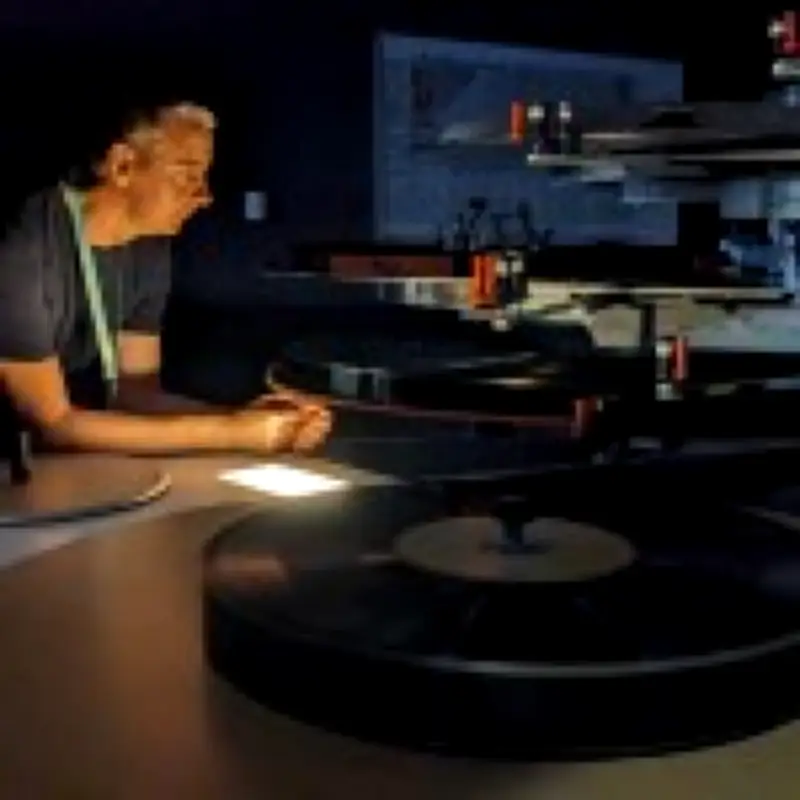
Specially trained projectionists monitor every frame. "When we run film, the projectionist will be sat with the film, at the viewing window, for every single frame," said Matthew Raymond. The BFI IMAX's projector dates to 1999, while the Science Museum's was commissioned in 1996/7.
"The real heroes are the veteran techs with vast knowledge and experience who travel the world to assist projection teams," Raymond added.
Future Screenings and Hope
Both venues plan to add more IMAX 70mm screenings. Madeleine Mullett, BFI IMAX programme manager, promised: "We are always adding new screenings... and will certainly be adding more IMAX 70mm screenings of The Odyssey in the coming weeks."
Despite competition from smaller screens like laptops and phones, the format's revival under Nolan's leadership suggests a dedicated audience. As Dominic Simmons noted, "The fact that it has become so appreciated by audiences suggests that it is definitely worth doing all we can to keep it running into the future."