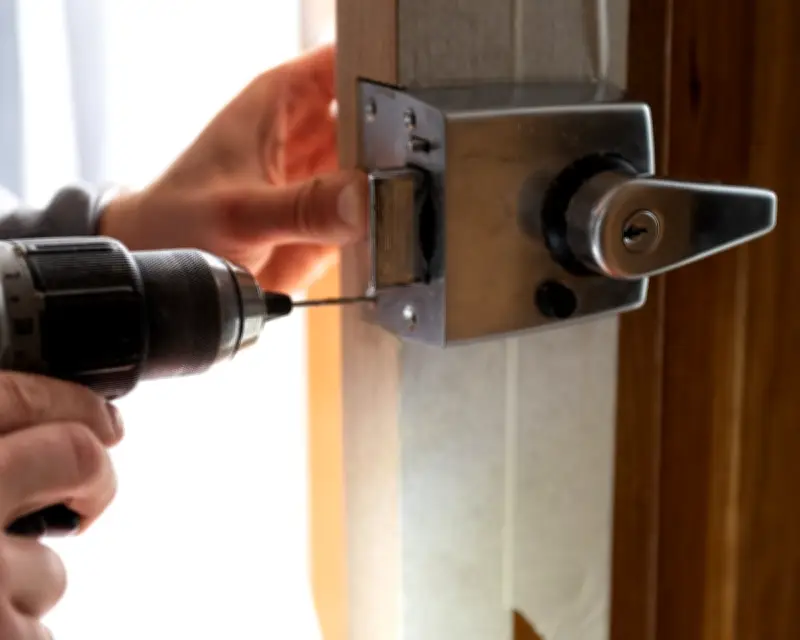
Chris Lohan from Bristol fell victim to a locksmith scam after searching Google and booking through the top advertised website. A broken lock resulted in a £490 bill. He later checked Amazon and found the lock fitted cost only £15. When he called the number advertised on Google to complain, the person who answered claimed no knowledge of the locksmith who had visited. Lohan eventually gave up after the locksmith ignored his calls. He resolved the issue by watching YouTube videos and replacing the lock himself with a high-quality, high-security lock, completing the job in less time than the scammer. Lohan did not receive an invoice breakdown or company name and paid by tapping his phone. He describes the industry as 'clearly in total need of a shake-up, rife with grifters just preying on people’s anxieties and naivety.'
Emergency Locksmith Experience: A Positive Story
Anna Bliss from London shares a contrasting experience. In 2023, she arrived at her mother’s house in Oxford to find her unresponsive. Her mother had left the key inside the front-door lock, preventing entry. Bliss called 999, and the ambulance and fire brigade broke in by drilling the back-door lock. The locksmith arrived while her mother was receiving care, calmly fitted a new lock, and charged a reasonable amount. Bliss describes him as 'a godsend' on one of the worst days of her life.
Industry Concerns and Regulatory Gaps
The letters highlight the prevalence of locksmith scams, often facilitated by Google ads. Lohan notes that the sums involved must be astronomical, imagining the scammer 'sitting half a year later on a Dubai beach.' Bliss’s positive experience shows that not all locksmiths are unscrupulous, but the industry lacks oversight. Consumers are urged to verify credentials and seek transparent pricing.