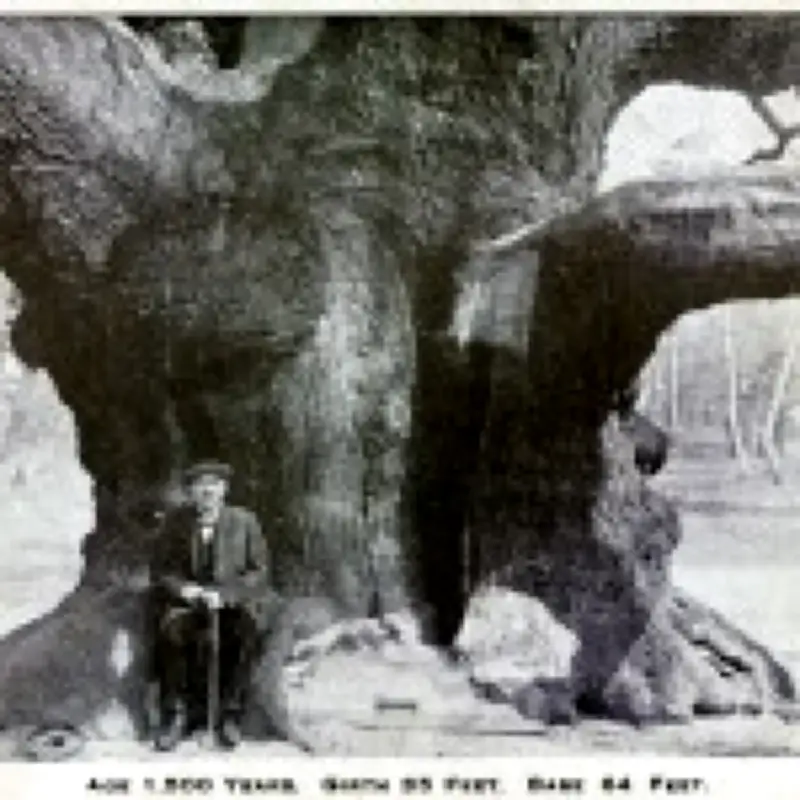
The world-famous Major Oak, a 1,200-year-old tree linked to the legend of Robin Hood, is believed to have died after failing to produce leaves this spring, experts have confirmed. Located in Sherwood Forest, Nottinghamshire, the ancient oak has been in decline for years due to a combination of factors, including a century of structural interventions, heavy foot traffic from millions of visitors, and recent heatwaves and droughts driven by climate change.
Soil compaction and climate stress
The RSPB, which manages the woodland, reported that soil around the tree had become heavily compacted, making it difficult for rainwater to penetrate and for roots to absorb nutrients. Some tests showed the soil was as hard as concrete in certain spots. These issues compounded the natural challenges of old age, leading to the tree's death.
Legacy and conservation efforts
Despite its death, the Major Oak will remain standing as a monument for people and wildlife. Hollie Drake, senior site manager at RSPB Sherwood Forest, described the tree's failure to produce leaves as 'heartbreaking for everyone.' She emphasized its lasting legacy, both as a cultural symbol tied to Robin Hood and as a habitat for wildlife.
The tree won the Woodland Trust's Tree of the Year competition in 2014 and was the first recorded on its ancient tree inventory. Ed Pyne, senior conservation adviser at the Woodland Trust, called for stronger legal protections for ancient woods and trees, warning that the Major Oak's decline serves as a cautionary tale.
Historical significance
The Major Oak has stood since the Norman conquest and witnessed centuries of history, including the use of Sherwood oaks in building St Paul's Cathedral and Nelson's navy. Its name originated from a 1790 book by Major Hayman Rooke, which sparked tourism to the forest. Visitors once climbed into its hollow trunk, but fencing was installed in the 1970s to protect it.
Future generations
Acorns and cuttings from the tree have been grown, and saplings have been planted worldwide. Chloe Ryder, RSPB estate operations manager, said the knowledge gained from monitoring the tree will help protect other ancient trees. 'We are planning work to ensure that its offspring will grow and generate their own acorns – and legends – for centuries to come,' she added.