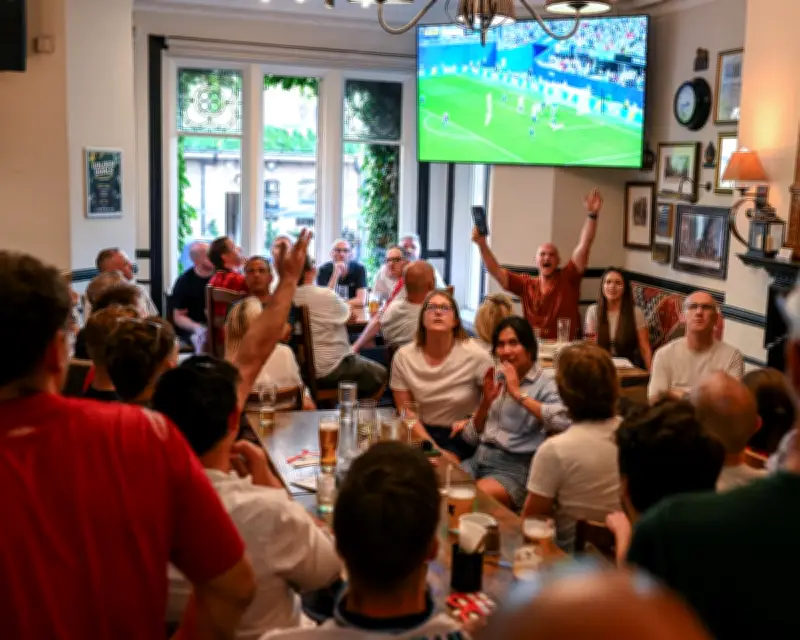
The World Cup provided a much-needed boost for the UK's struggling hospitality industry, with pubs benefiting from extended hours and an estimated 5.5 million extra pints sold during the group stages alone. However, this temporary uplift masks a deeper crisis: pubs are closing at a rate of two a day, with about 2,000 lost since 2020.
Long-term decline amid rising costs
The closures reflect a long-term trend away from going out, combined with pressures from rising energy bills, business rates, wages, and national insurance contributions. Sam Hale, a pub landlord, told the Guardian, "People can't get enough of football fever," but the sector's hope is that the tournament's communal spirit will focus minds on the importance of venues like pubs in promoting social cohesion and "watercooler moments."
Campaign for VAT cut faces hurdles
The wider industry is campaigning for a halving of VAT on hospitality from 20% to 10%, supported by a petition with over 288,000 signatures. However, the cost to the Treasury would be at least £10bn, making adoption unlikely. Tax Policy Associates, a thinktank, noted that multinational businesses like McDonald's would be the biggest beneficiaries. Yet, with a recent survey finding almost a quarter of pubs and restaurants losing money, ministers are urged to find ways to help.
Pubs as vital third places
The value of pubs extends beyond finances. Sociologist Ray Oldenburg coined the term "third places" for spaces where people meet and share special occasions. Pubs, along with parks, libraries, and youth clubs, are vital to collective life. While alcohol-related harms are a concern, sales of no- and low-alcohol beer are booming, and in rural areas, pubs are essential facilities amid a loneliness crisis.
Impact on youth employment and social isolation
The shrinking number of entry-level jobs in hospitality is another worry. Alan Milburn's interim report on young people and work highlighted this as a factor behind rising numbers of 16- to 24-year-olds not in work or education. Additionally, recent research points to growing social isolation among young adults, with experts citing the pandemic, home working, and social media as possible causes.
Legacy of the World Cup
While nostalgia for pubs is easy, they are not the be-all of thriving neighbourhoods. People staying in more reflects more television options, and it is good if people enjoy their homes. But face-to-face conversations hold real value. A worthwhile legacy of this World Cup would be a strengthened recognition of shared, in-person experiences after the fever dies down.