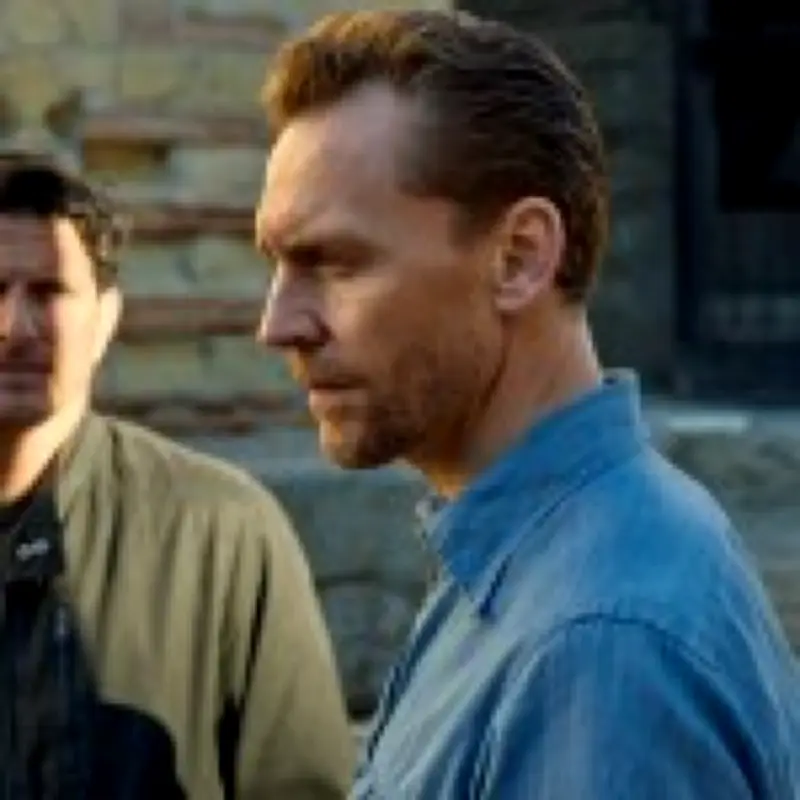
Tom Hiddleston's new Disney Plus series Pompeii: Out of Time is undeniably cheesy, but it still delivers an absorbing and haunting portrayal of the ancient city's destruction. Based on the first two episodes, the series combines historical fact with dramatised storytelling, following Hiddleston as he travels back in time to witness the eruption of Mount Vesuvius.
A visceral depiction of destruction
The series opens with ash raining down like hellfire, a child screaming for his mother, and the air thick with despair. Hiddleston, known for his roles as Loki in the Marvel Cinematic Universe and in The Night Manager, brings his passion for classics to the forefront. He studied the subject at university and has been fascinated by Pompeii since a teenage trip. Now 45, he serves as the charismatic guide, but he is quick to defer to experts.
These specialists include archaeologist Caite Barrett, volcanologist Chris Jackson, and disaster psychologist Sarita Robinson. Jackson explains that the eruption unfolded over a full day, not just an instant blast. Robinson analyses how residents might have reacted, possibly dismissing initial warnings due to frequent earthquakes. The series also features archaeologist Darius Arya and historian Professor Steven Tuck.

Blending fact with imagination
Pompeii: Out of Time takes creative licence with the stories of three potential survivors: Avianius, a teenage boy; Julia Felix, an affluent businesswoman; and a Praetorian Guard. While some viewers may roll their eyes at fictionalised side plots, the series acknowledges that historical records can only prove so much. "For a tale that's been told time and time again, why not try something different?" the review notes.
The three episodes are titled Tremors (42 minutes), Eruption (46 minutes), and Survival (48 minutes). The series is available to stream on Disney Plus.
Verdict: a test for the imagination
According to the review, the series works its magic despite the cheesiness. "I felt the wind being knocked out of me as the volcanic eruption knocked the city to its knees," the reviewer writes. The theatrical moments, such as Hiddleston freezing the frame to introduce experts or twirling his fingers to turn back time, may draw groans, but the reviewer urges viewers to give it a chance. "I learnt some new interesting facts about one of the most famous natural disasters in history," they add.
The series is described as a blend of history and theatre that does not pretend to be purely factual. As long as viewers accept that, they will find it absorbing. Hiddleston's passion is evident, and the show may inspire more classics enthusiasts. "He's daring to be different," the review concludes.