Oil prices surged past $100 a barrel for the first time in two months on Thursday, rising sharply from $95 the previous day, as a fresh escalation of the Middle East conflict threatens to disrupt global oil supplies. The benchmark oil price spike reflects fears that Yemen's Houthi militia could strangle Saudi oil exports through the Red Sea, while US-Iran tensions over oil flows through the Strait of Hormuz intensify.
Houthi Attacks on Saudi Tankers
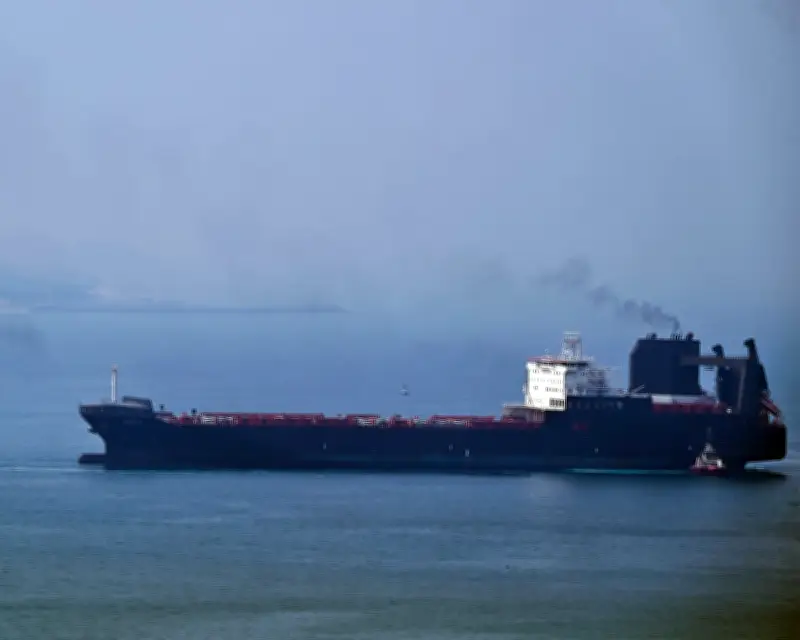
The Iranian-aligned Houthis claimed responsibility for attacks on two Saudi Arabian oil tankers, the Encelia and Layla, using ballistic and cruise missiles as well as drones. The attacks, which left one vessel ablaze, were launched after the Houthis accused the crews of violating a naval blockade imposed by the group in the Red Sea. This escalation marks a new front in the Gulf oil crisis, almost five months after Tehran's effective blockade on the Strait of Hormuz triggered fears of the greatest energy supply disruption in market history.
Oil Price Volatility and Economic Impact
The oil price peaked at $126 a barrel in April during the conflict but fell back below $100 in late May and then to lows of $71 at the start of July amid hopes of a ceasefire. The price began climbing again after the memorandum of understanding between the US and Iran fell apart and fresh hostilities broke out in the Gulf. The disruption to two critical oil trade arteries has reignited fears that oil could climb to highs of $120 a barrel, dealing a blow to households and the global economy after years of energy cost inflation.

Share prices also fell on both sides of the Atlantic, reflecting the volatile situation in the Middle East and fears of a bubble in AI stocks, sending New York's tech-heavy Nasdaq index down by more than 2%. Shares in Tesla crashed 12% after reporting lower-than-expected profits and amid wider worries about AI spending.
Market Reactions and Government Borrowing Costs
Fears about the mounting economic impact from the Iran war caused government borrowing costs for the world's biggest economies to rise on Thursday as investors weighed the risk that a surge in the oil price could rekindle global inflationary pressures. Investors dumped US, German, and Japanese government bonds, pushing up interest on government borrowing, or yields, across the globe. In the UK, the yield on 10-year government borrowing rose by about 0.1 percentage points to trade above 5.1% for the first time since May.
Chris Beauchamp, chief market analyst at the online trading platform IG, said: “Government bond yields continue to climb, spelling major trouble for developed economies and risking a repeat of the March/April 2025 market panic. Volatility is surging and equities are moving further into the red as a return to full-blown conflict now looms, potentially drawing in Israel and more countries in the region.”
Cushioning Factors and Warnings
The market has avoided runaway oil prices due to “cushioning factors” that have helped cool the market, according to Fatih Birol, head of the International Energy Agency. However, he warned this week that there is no room for complacency amid the escalation in hostilities. The latest market upheaval has come amid investor jitters in Britain over the tax and spending plans of the new prime minister, Andy Burnham, which some City traders have said could add to pressure on government borrowing costs.