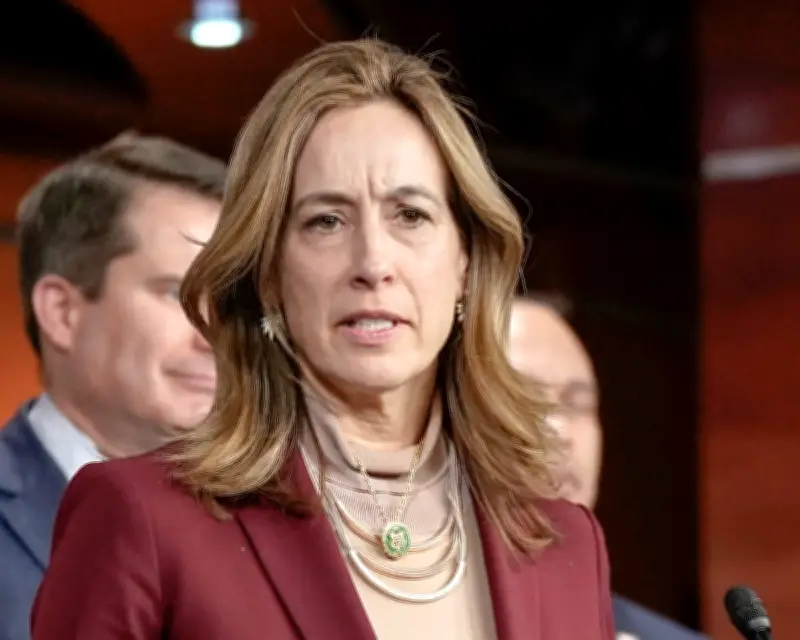
New Jersey Governor Mikie Sherrill signed the Fair Price Protection Act into law on Thursday, making the state the third in the US to prohibit businesses from using shoppers' personal information to charge different prices for identical products. The law targets surveillance pricing, a practice where retailers leverage data such as online activity, location, and purchasing history to set individualized prices.
Law Aims to Protect Consumers from Price Discrimination
“New Jersey families are already feeling the pressure of higher costs,” Sherrill said in a statement. “The last thing they need is companies secretly using their personal data to charge them more than someone else for the exact same product. If businesses want to compete, they should do so by offering better prices, not by finding new ways to squeeze shoppers. This law puts New Jersey shoppers first by protecting their privacy and ensuring fairness in pricing.”
According to Sherrill's office, the law prohibits businesses from using shoppers' personal data to set individualized prices on groceries and other essential items. However, it does not apply to loyalty programs or other discounts.

Similar Measures in Other States
New Jersey's Fair Price Protection Act follows similar bans in Maryland and Connecticut. A comparable bill is awaiting a signature from New York Governor Kathy Hochul, which would also prohibit personalized price manipulation.
Moratorium on Electronic Shelf Labels
The law also includes a one-year pause on the rollout of new electronic shelf labels while the New Jersey Innovation Authority studies their impact. Stores may continue using, repairing, and replacing existing electronic shelf labels.
Ademola Oyefeso, vice-president of the United Food and Commercial Workers International, praised the moratorium: “The law's moratorium on the use of electronic shelf labels is an important step to ensure this technology does not harm New Jersey shoppers or workers.” Oyefeso added, “We hope this law will serve as a catalyst for states across the country to shield shoppers from … predatory pricing” set by artificial intelligence “and protect good, union grocery jobs.”
Impact on Shoppers and Businesses
The law aims to ensure fairness in pricing by preventing businesses from using personal data to charge different prices for the same product. It also seeks to protect consumer privacy and encourage competition based on better prices rather than data exploitation. The one-year moratorium on electronic shelf labels will allow for a thorough assessment of their potential effects on consumers and workers.