Lloyds Banking Group has announced a four-year plan to cut £2bn in costs while investing £13bn into the business by 2030, leveraging artificial intelligence and new technology to drive growth. The strategy, set to launch in January, was outlined by chief executive Charlie Nunn, who said it would involve rolling out AI-powered advice for wealth and workplace pensions, personalized offers based on customer behaviour, and support for relationship managers.
Cost cuts and efficiency drive
Nunn praised colleagues for guiding customers through increasingly complex services but acknowledged the bank needs to improve. “We can make it even better, and even simpler, because we’re not good enough today, relative to our ambition,” he said. When asked about potential job losses from the £2bn in cuts, Nunn declined to give details but said the bank would consider areas such as better technology, reviewing physical office space, and improving productivity. “Those kind of levers will continue in front of us,” he told journalists. “And we do think that there are new opportunities for agentic AI to both differentiate our services and grow more efficiently.”
AI and technology investments
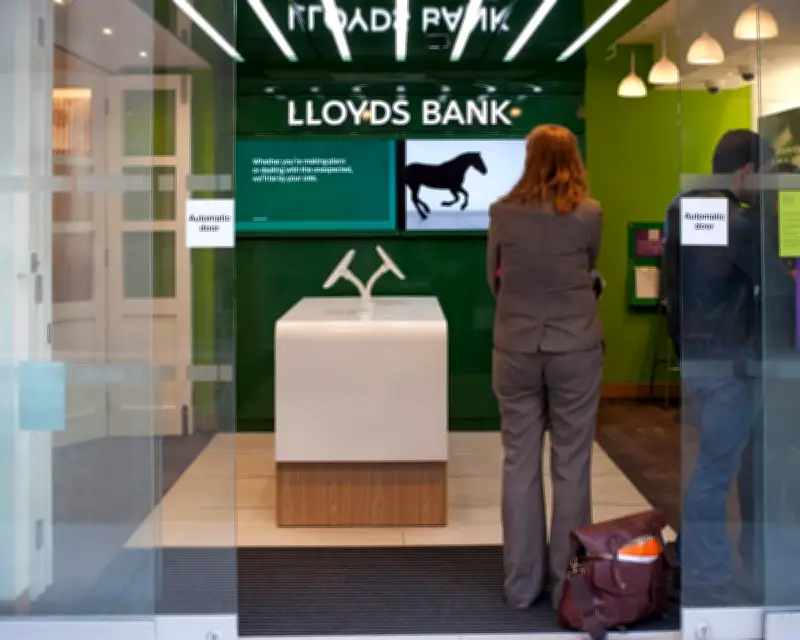
The bank plans to use AI to offer personalized offers based on customer behaviour and to provide guidance to relationship managers. Nunn also highlighted the potential of AI and blockchain technology to cut mortgage approval times to about three days. Lloyds will also boost rewards and loan discounts to retain loyal customers. Regarding the future of its 550 branches, Nunn said: “It will be an important part of our proposition, but we’re going to follow the customers and our customer data around our branches.”

International expansion and car loan division
The strategy includes expanding Lloyds’ corporate and institutional bank in the US and Europe, marking a shift from the retrenchment following the 2008 financial crisis. Lloyds will also double down on its car loan division, creating a one-stop-shop app for drivers to buy, insure, and set up charging points for electric vehicles. This comes as the division still awaits resolution of the long-running motor finance commission scandal.
Second-quarter profits and shareholder returns
Lloyds reported better-than-expected second-quarter profits of £2.3bn for April to June, a 14% increase from the same period last year. The bank increased shareholder payouts with a 1.58p per share dividend and announced its first ever half-year share buyback worth £1bn. Lloyds’ share price rose 1.7% in response to the news.
Market analyst reaction
Chris Beauchamp, chief market analyst at IG, commented: “Nunn’s strategy to move away from the traditional lending business continues to deliver for Lloyds, though it is still a work in progress. The push towards the US and more corporate banking is understandable, but Lloyds would hardly be the first UK name to follow this demanding path – success here is far from guaranteed.”