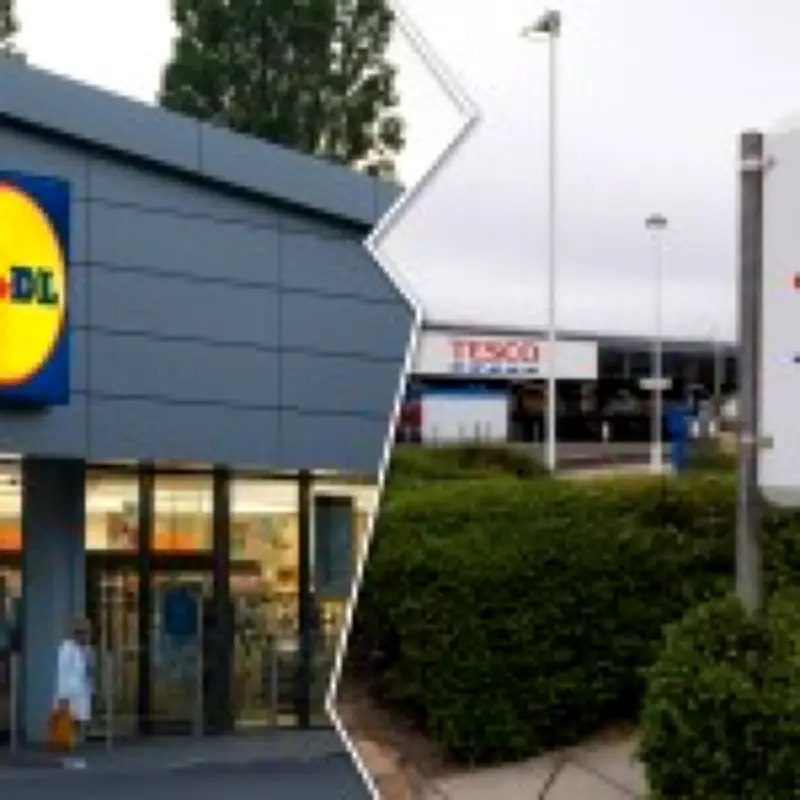
Lidl and Tesco are locked in a new dispute over mochi, a Japanese ice cream dessert. Lidl launched a campaign comparing its own-brand Gelatelli Mochi at £3.45 to Little Moons sold at Tesco for £5, claiming shoppers could save over 30%. Tesco fired back, noting its Clubcard price for Little Moons is £3.50, just 5p more than Lidl's version.
Why Supermarket Feuds Are Common
Lucy Hancock, associate director at Storm Communications, says such tactics align with discount supermarkets' brand personalities. 'Scrappy, cheeky, a bit brash and not afraid to speak their mind,' she describes. This approach humanises retailers and makes them culturally relevant, generating talkability and social media shares.
The rivalry is not new. In 2024, Lidl and Tesco fought a legal battle over Tesco's yellow circle on a blue square logo, which Lidl claimed took unfair advantage. Tesco lost and was forced to change its Clubcard Prices logo. In 2025, Lidl targeted Home Bargains, claiming 40% savings on Highland Spring water.

Historical Context and Social Media Impact
Hancock notes that brand rivalries date back to the 1990s when Aldi (1990) and Lidl (1994) entered the UK market, breaking a 'gentleman's agreement' not to directly target competitors. Social media accelerated the trend, allowing real-time responses. Aldi's recent Instagram post mocking other supermarkets—including Tesco, M&S, and Waitrose—received over 46,000 likes.
However, there is a line. 'Despite the adage that “all publicity is good publicity”, there is of course a tipping point,' Hancock warns. 'The best brand rivalries should be based on humour, not hostility.'