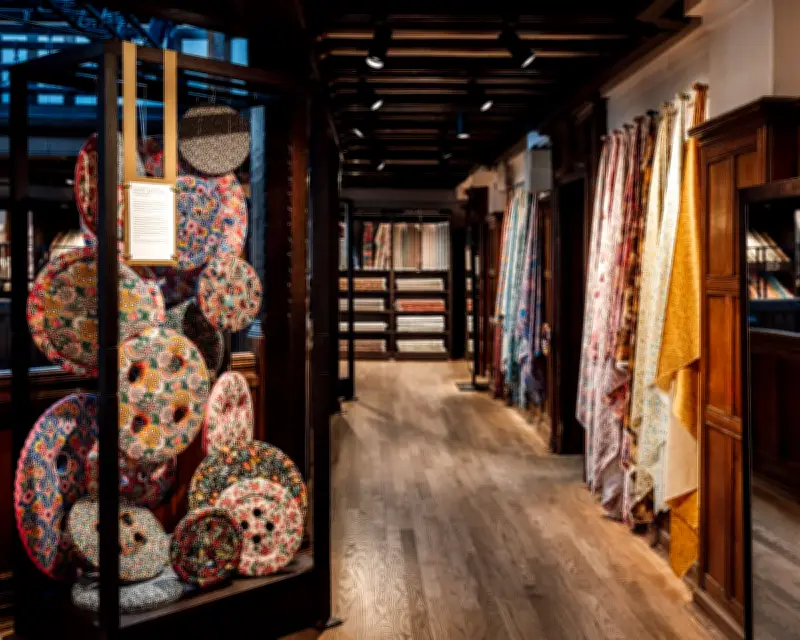
Liberty London, the iconic department store, is expanding its fabric department by 40% to capitalise on a surge in sewing and craft interest. The retailer will take over an adjacent unit on Great Marlborough Street, adding 2,000 sq ft of retail space dedicated to fabrics and haberdashery.
Driving the sewing boom
The expansion comes as Liberty reports a 25% year-on-year increase in fabric sales, driven by a new generation of hobbyists taking up sewing. The store has seen a 50% rise in attendance at its craft classes, which include sewing, embroidery, and quilting. According to Liberty's managing director, Sarah Findlay, “The sewing boom is being fuelled by a desire for sustainable fashion and creative fulfilment. Customers want to make their own clothes and learn new skills.”
New space and product range
The expanded department will stock over 5,000 fabrics, including exclusive Liberty prints, silks, and cottons. It will also feature a dedicated haberdashery section with more than 3,000 products, from buttons to zippers. The new space will include a larger classroom for workshops, accommodating up to 30 students, double the previous capacity.

Liberty's fabric department is one of the oldest in London, dating back to the store's founding in 1875. The expansion reflects a broader trend: the UK sewing market grew by 12% in 2025, reaching £3.2 billion, according to the Craft Yarn Council.
Impact on retail and community
The move is part of Liberty's strategy to attract younger shoppers. The store has seen a 30% increase in customers under 35 visiting the fabric department. Findlay added, “We are seeing a real community forming around our classes. People come for the skills and stay for the social connection.”
The expansion is expected to create 15 new jobs, including specialist fabric advisors and workshop instructors. Liberty will also launch a new online platform for fabric sales and virtual classes, aiming to reach a wider audience.
Industry analysts note that the sewing boom is part of a wider shift towards handmade and sustainable goods. The trend has been bolstered by social media platforms like Instagram and TikTok, where sewing tutorials and ‘make your own’ content have gained millions of views.