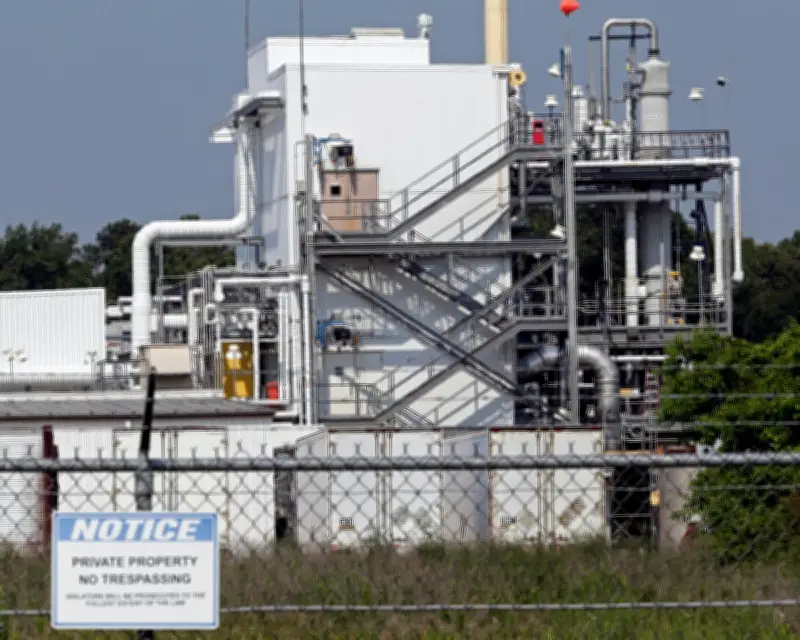
A coalition of 17 environmental groups has formally urged the U.S. Environmental Protection Agency (EPA) to reject a new PFAS chemical that Chemours is seeking to fast-track for use in cooling datacenters. The groups warn that the compound, Opteon 2P50, poses significant health and climate risks that the company has downplayed in its application.
Allegations of Flawed Science
In comments submitted to the EPA, the groups, led by Earthjustice, accuse Chemours of using bad science to minimize the chemical's toxicity and climate impact. They argue that approving the application would violate federal law. Earthjustice scientist Adriana Antezana stated, "We're worried that the EPA may interpret 'priority review' as 'priority approval,' and we need to remind them that the executive order has no bearing on assessing health risk."
Background on PFAS and Datacenter Cooling
PFAS, or "forever chemicals," are a class of about 16,000 compounds that do not break down naturally and accumulate in the human body and environment. They are linked to cancer, liver disease, kidney issues, high cholesterol, birth defects, and decreased immunity. Datacenter developers, including Google, have promoted two-phase cooling systems that use PFAS gas as a refrigerant, claiming they use less water than traditional methods. However, environmental advocates say these systems release hazardous chemicals through leaks and disposal.

Chemours' Response and Industry Claims
Chemours defended its application, stating that the two-phase systems are "closed loop" with minimal emissions. The company accused environmental groups of making "sweeping generalizations" about PFAS, noting that each compound has unique chemistry. The datacenter industry has argued that the gas converts to TFA in the atmosphere, which is not classified as a PFAS by the EPA. However, recent research shows TFA is more toxic than previously thought, and the European Chemical Agency classified it as hazardous in March 2025, linking it to thyroid disruption, reduced sperm quality, and liver toxicity.
Health and Climate Risks
The environmental groups' comments allege multiple flaws in Chemours' scientific submissions, including reliance on a lab rat strain less affected by PFAS toxicity than humans, and missing toxicological data. They also criticize the use of an occupational exposure limit developed by Tera, a partially industry-funded group with a history of opposing chemical regulations. Earthjustice claims that adopting Tera's limits would likely be unsafe for workers. Additionally, the groups highlight Chemours' history of polluting communities around its plants and the widespread PFAS contamination in U.S. drinking water.
Potential Impact of EPA Decision
If the EPA approves Opteon 2P50 for manufacturing, it could pave the way for broader use in industry and consumer products, such as refrigerators. Antezana warned, "We don't want the government just to approve the chemicals because a company is saying it will help this industry, because that could go for any chemical." The EPA's decision may also test the limits of President Trump's executive order on expedited review of datacenter chemicals. Earthjustice has indicated it could sue if the approval bypasses legal requirements.