

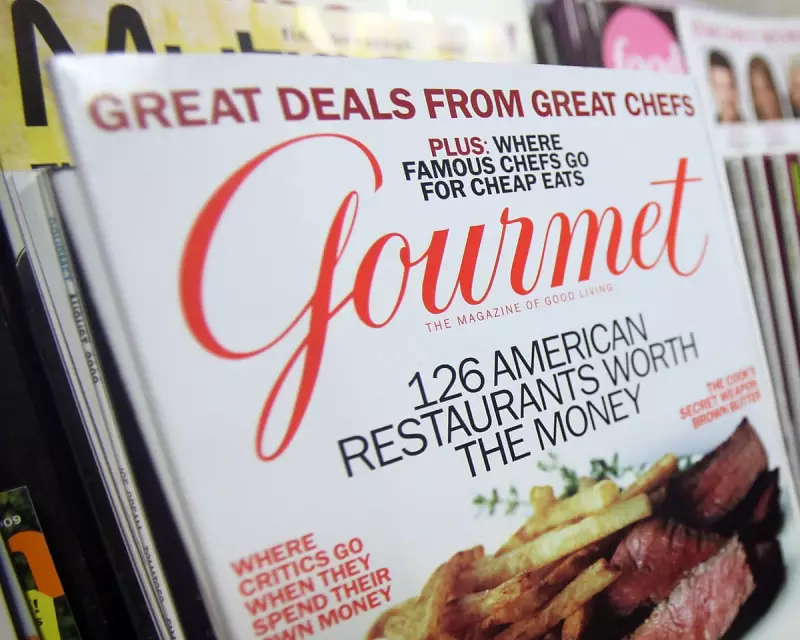
In a surprising move that signals a potential reversal of fortune for print media, publishing giant Condé Nast has confirmed it will resurrect its legendary food publication, Gourmet magazine, ending a 17-year hiatus. The title, which was abruptly shuttered in 2009, is slated to return in both print and digital forms later this year.
The End of an Era and an Unexpected New Beginning
The original closure of Gourmet in October 2009 sent shockwaves through the media and culinary worlds. At the time, it was seen as a definitive sign of the decline of traditional print magazines, particularly in the luxury sector, as audiences and advertisers migrated online. The decision was part of a wider cost-cutting initiative by Condé Nast, which also saw the end of other titles like Cookie and Modern Bride.
Now, in a stark change of direction, the company is betting on the enduring power and prestige of the Gourmet brand. The revival is understood to be a key part of Condé Nast's broader strategy to leverage its most iconic heritage names, recognising their continued value in a crowded digital marketplace. The new iteration aims to blend the magazine's historic authority with contemporary content formats.

Blending Heritage with a Modern Vision
While specific details regarding the editorial team and exact launch date are still under wraps, insiders suggest the publication will honour its legacy of high-quality food journalism while adapting to modern consumption habits. This means a likely focus on immersive long-form writing, investigative pieces on the food supply chain, and culinary travelogues, complemented by dynamic digital content such as video and interactive guides.
The move bucks the trend of recent decades, where publishers have largely retreated from print. Condé Nast appears to be calculating that a premium, tactile print product, released perhaps quarterly or bi-annually, can coexist successfully with a constant digital presence. This "phygital" approach targets both dedicated collectors and a new generation of food enthusiasts who discover content primarily through social media and online platforms.
Implications for the Media and Food Landscape
The return of Gourmet is more than a simple relaunch; it is a significant moment for the publishing industry. It suggests that in an age of digital noise and algorithmically-driven content, there is renewed economic and cultural value in trusted, expertly-curated brands with a deep history. For competitors in the food media space, from established titles like Bon Appétit (also a Condé Nast property) to digital-native outlets, Gourmet's re-entry raises the stakes for quality and authority.
For readers and the food industry, the revival promises a return of a seminal voice that helped shape global culinary discourse for almost 70 years. Its focus is expected to extend beyond recipes to examine the critical issues facing today's food systems: sustainability, ethics, labour, and culture. The success or failure of this ambitious project will be closely watched as a bellwether for the future of high-end magazine publishing.
Ultimately, Condé Nast's decision to bring back Gourmet is a bold experiment. It tests whether the appetite for deeply researched, beautifully produced food journalism can support a legacy brand in a completely transformed media ecosystem. The publishing world will be watching to see if this is a nostalgic one-off or the start of a genuine print renaissance.






