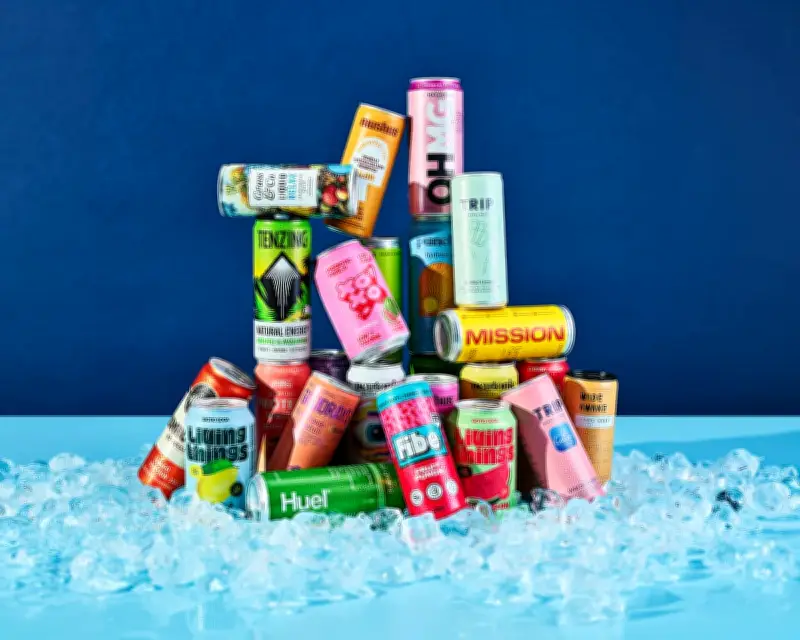
Functional drinks, such as electrolyte lemonade and probiotic pop, have flooded the market with promises of improved mental clarity, calm, and energy. The global functional drinks market is worth £115bn annually and is predicted to double by 2030. In the UK, sales generate £100m a year, and 25% of consumers now seek functional benefits from drinks, up from 13% in 2024. Brands like Trip, Goodrays, and Gillian Anderson's G Spot target wellness-conscious consumers, but experts question whether these drinks deliver on their claims.
What Are Functional Drinks?
Functional drinks are beverages marketed with added physiological or cognitive benefits. Categories include focus, relaxation, energy, gut health, and hydration. Ingredients range from vitamins and minerals to adaptogens (e.g., ashwagandha, reishi), nootropics (e.g., lion's mane), caffeine, CBD, collagen, and probiotics. Prices range from £2 to £3 per can.
Health Claims and Regulation
Health claims on foods and drinks are tightly controlled in the UK. In 2025, the Advertising Standards Authority upheld a complaint against Trip for suggesting its drink could reduce cortisol and promote calm. Myota was censured for illegally implying medicinal effects. Brands can legally make claims about vitamins like B12 if the product contains 15% of the recommended daily allowance per 100ml, regardless of other ingredients.

Gopi Chandratheva, a registered nutritionist, notes that some drinks add small amounts of vitamins to create a health perception without meaningful impact. For example, Huel's Daily Greens contains 41 vitamins and minerals but provides less than 20% of daily phosphorus, iron, zinc, molybdenum, and chromium per serving. Celsius contains nearly 300% of the RDA for vitamin B7 and over 100% for B2, B3, B5, B6, and B12, which are excreted if excess, though excess B6 can cause nerve damage.
Expert Opinions on Efficacy
Consultant dietitian Sophie Medlin says functional drinks can help people switch from less healthy sodas or alcohol but are not necessary. “They do offer more than other regular soft drinks do. But would I encourage people to start drinking them? No.” She identifies three consumer groups: those swapping from colas, those replacing alcohol, and those seeking wellness additions.
Regarding adaptogens and nootropics, Medlin says “clinically significant” doses are unclear due to insufficient research. Chandratheva warns that mixing multiple bioactive compounds with caffeine or CBD may cause interactions. Some people find rhodiola and caffeine cause jitters.
CBD and Electrolyte Drinks
The Food Standards Agency lowered the recommended daily CBD limit to 10mg in 2023 due to potential liver and thyroid risks. Most CBD drinks contain 10-20mg per can, while clinical trials for anxiety use 150-600mg. Electrolyte drinks are popular on social media but Medlin says they are unnecessary unless dehydrated from exercise, illness, or heat. UK guidance recommends adults consume no more than 6g of salt daily; a can of Cadence contains 1.25g of salt.
Taste Test Results
Drinks writer Aleesha Hansel and Rebecca Seal tasted 10 functional drinks. Highlights include:

- Mission Lime + Yuzu Natural Energy + Hydration (£2/250ml): Sherbety, synthetic taste with earthy notes from yerba mate. Not recommended.
- G Spot Protect (£2/250ml): Smells like baked-bean sauce, limp flavour. Disappointing.
- Fibe Fruit Punch (£1.99/250ml): Nostalgic fruit punch taste, good sweetness. Recommended.
- Water Junkie Feel Alive (£2.49/250ml): Coconut and lychee with ginger and turmeric, but unappealing.
- Vieve Strawberry & Rhubarb Protein Water (£2.59/250ml): Bovine collagen gives meaty taste, excessively sweet. Horrible.
- Trip Sicilian Lemon Mindful Blend (£2/250ml): Well-integrated lemon zest, good acidity. Successful brand.
- Neutonic Natural Energy Orange Sunrise (£2.75/330ml): Very sweet, syrupy, like Berocca. Appeals to Red Bull fans.
- Goodrays Raspberry & Guava CBD 30mg (£7.50/4 cans): Perfumed, pot-pourri flavour. Not liked.
- Grass & Co, Peach, Chamomile & Reishi Liquid Relax (£2.49/250ml): Muddy flavours, savoury note from mushroom. Middling.
Conclusion
Experts advise that whole foods are better than functional drinks. Medlin says they are ultra-processed foods. Dr Daniel Lamport from the University of Reading states, “There is no substitute for a fibre-rich, fruit-and-vegetable-rich, whole-foods diet.” Consumers should read labels carefully and be aware of potential interactions and excess intake of vitamins, caffeine, or salt.