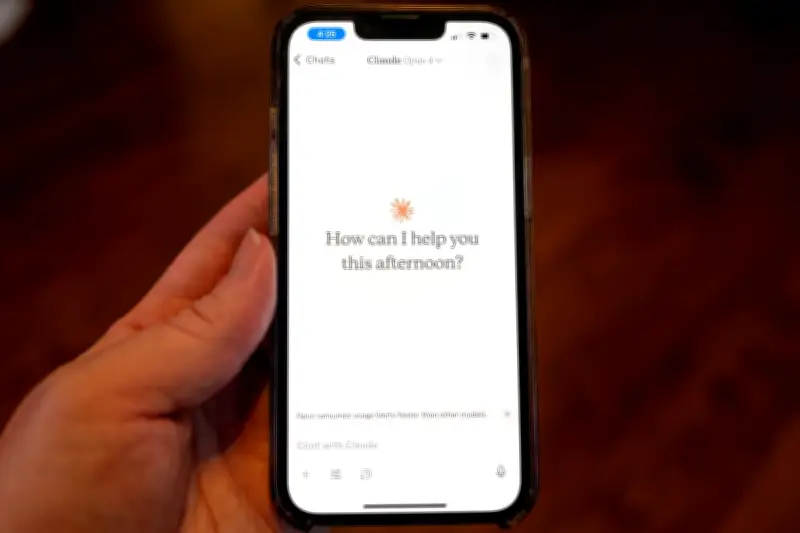
Over the weekend, users of Anthropic’s Claude chatbot were startled to learn that some of their private conversations had become discoverable on search engines like Google and Bing. This revelation has sparked concerns about user control over shared online content.
How Claude Chats Became Public
Anthropic allows Claude users to create public links to their chat threads, similar to sharing options in Google Docs. However, many users did not realize that these links could be indexed by search engines, making their conversations accessible to anyone. By Tuesday morning, no Claude chats appeared in Google or Bing searches that had previously surfaced them, but the incident forced users to confront questions about the implications of shareable links.
The issue came to light on Sunday when Reddit users discovered that typing "site:claude.ai/share" on Google or Bing returned chat logs containing personal conversations. Once a user creates a publicly shareable link, the chat becomes public and may be indexed by search engines, potentially exposing sensitive information to a global audience.

Previous Incidents and Technical Measures
This is not the first time such exposure has occurred. After a similar incident in September, Anthropic told Forbes that chats became visible via search engines because they were shared online or on social media. The company stated it uses a "robots.txt" file to prevent indexing, but this measure is not foolproof. Both Google and Bing recommend that developers and page owners add a "noindex" HTML tag to prevent web crawlers from surfacing pages. According to Wired, many of the exposed chats lacked this tag. Anthropic declined to comment on whether it has added the tag to shared links.
Broader Implications for Online Privacy
Jacob Hoffman-Andrews, senior staff technologist at the Electronic Frontier Foundation, warned that "the privacy afforded by 'anyone with a link'-style sharing of chats and documents is fragile." He explained that if a user shares a link with a friend who then posts it on social media, the content becomes findable and readable by anyone on the web. He urged users to exercise "extreme caution" when creating shareable links and consider alternatives like copying and pasting text or taking screenshots.
The Guardian US conducted a similar search for Google Drive files with public links and found sensitive documents, including exams from schools and results of lead and radon tests. Searches for documents containing "confidential" surfaced files like a city health department confidentiality agreement. Google spokesperson Ross Richendrfer stated that these documents were discoverable because their links had been posted online or on social media. Neither Google nor Anthropic warns users that their files could be indexed by search engines when creating shareable links.
How to Protect Your Content
Users can take steps to unpublish previously shared chats and documents. On Claude’s desktop browser, click the profile icon, select "settings," navigate to the "privacy" tab, scroll to "your data," and click "manage" public chats to delete them. On Google Drive, open each document, click "share" in the top right, and change "general access" from "anyone with the link" to "restricted" or specific people, groups, or spaces.
This incident serves as a reminder to be cautious about what information is shared with "anyone with the link." Hoffman-Andrews noted that "designing to incentivize viral sharing can also lead to users unintentionally oversharing."