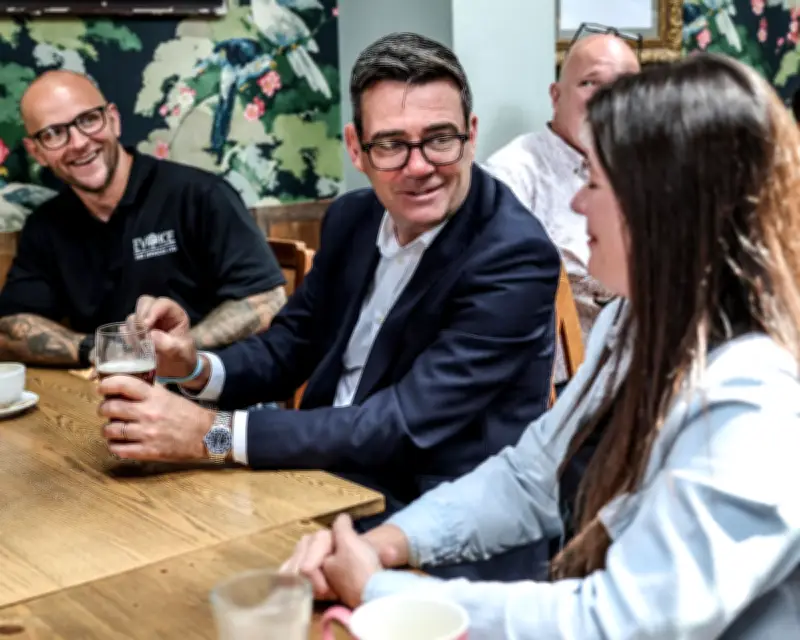
Andy Burnham has unveiled a 20% discount on business rates for pubs, clubs, and live music venues in England, as part of a £100m aid package designed to support the high street and ease cost of living pressures. However, the prime minister immediately faced calls to be more ambitious, with critics describing the measure as a small move.
Details of the Business Rates Cut
The discount will benefit almost 32,000 pubs, clubs, and live music venues, according to the government. The typical pub is expected to save an estimated £1,100 in the next financial year. The support is targeted so that the largest live music venues are excluded. This builds on the 15% business rates relief for pubs and live music venues announced by Rachel Reeves earlier this year, as Covid-era relief ended and new revaluations took effect, with bills frozen in real terms for a further two years.
Burnham said the measure would be fully funded, including through a review of relief for businesses deemed not to make a positive contribution to communities, such as vape shops. Other cost of living measures announced this week—capping bus fares at £2 and cutting VAT on electricity bills—have prompted questions about how they will be funded, leaving the new administration under pressure to set out the detail of its plans.

Criticism from Hospitality Leaders and Opposition
Speaking on Thursday, Conservative leader Kemi Badenoch said Burnham’s early policy announcement had left her thinking: “Is that it?” While hospitality leaders welcomed the tax cut, some questioned its scale and raised concerns that businesses such as hotels and restaurants had been left out.
Tim Martin, founder of JD Wetherspoon, said business rates relief was “a small move in the right direction” but called on Burnham to make a cut in VAT. Nick Evans, co-owner of the Old Crown Coaching Inn in Faringdon, Oxfordshire, said the relief would do little to help his pub: “It’ll save £3,000 a year, something like that. When you’ve got a £1.8m turnover business that shows less than 2% gross profit, chucking me £3,000 doesn’t help me at all. Prices are going up, energy is going up, so what can you do? He said he was going to cut VAT to 10%.”
Broader Hospitality Sector Concerns
Kate Nicholls, chair of UKHospitality, welcomed the government’s recognition of the sector’s difficulties but pointed out that restaurants and hotels were excluded. “We now need to see a solution for the rest of the sector,” she said. Burnham has previously backed the industry’s call for a reduction in VAT to 10%, a policy that would have been worth £10bn to the hard-pressed sector, although tax experts have warned that large, profitable businesses would enjoy most of the benefit.
Funding and Other Measures
Ministers also plan to crack down on businesses that sell through online marketplaces but do not comply with their tax obligations, putting them at an unfair advantage. They are consulting on measures to make those marketplaces more responsible for this. Tina McKenzie, policy chair of the Federation of Small Businesses, welcomed the proposal but said it must be a “down payment” on further action to help small businesses more broadly at the next budget. “Failure is not an option,” she said. “We are encouraged at the signal from the prime minister today, instructing his government to plan for a significant increase in small business rates relief at the heart of the next budget.”
On Tuesday, Burnham announced the government would cut VAT on electricity bills, reducing them by an average of £45 a year from October, funded by scrapping the digital ID scheme. However, Darren Jones, sacked as chief secretary to the prime minister in Burnham’s reshuffle, raised doubts over how it would be paid for, saying the digital ID project—expected to save £1.8bn over three years—was unfunded. On Wednesday, Burnham said he would reduce the bus fare cap from £3 to £2, funded mainly by changing international climate donations into repayable loans, a move that some experts say could leave people in the poorest parts of the world more vulnerable to climate crisis effects.