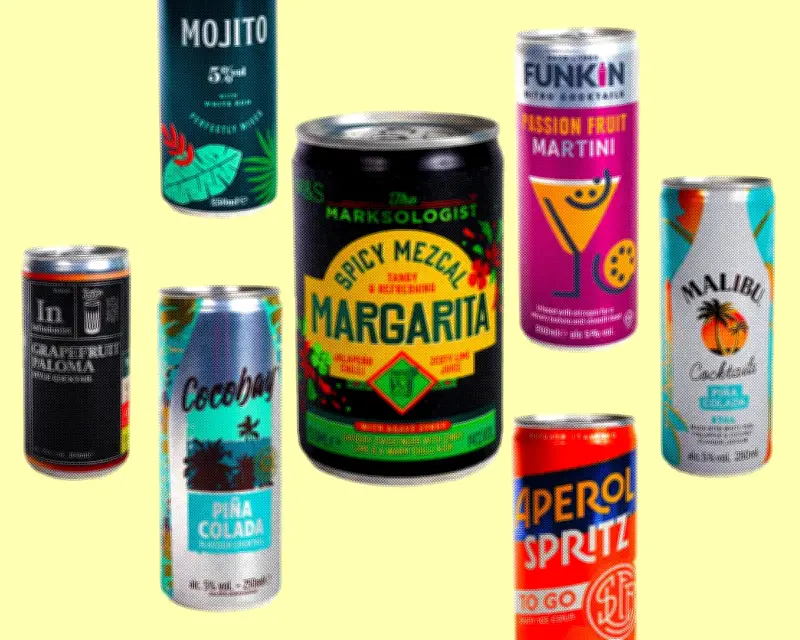
Canned cocktails have become a staple of British drinking culture, with sales surging by 40% in 2025, according to data from market research firm NielsenIQ. The trend, dubbed "the great tinification," reflects a shift toward convenience and quality in the ready-to-drink market.
Sales Growth and Market Drivers
NielsenIQ reported that canned cocktail sales reached £1.2 billion in 2025, up from £857 million in 2024. The growth is attributed to improved recipes, premium ingredients, and innovative packaging that preserves freshness. Major brands like Diageo and Pernod Ricard have expanded their canned offerings, with popular variants including margaritas, negronis, and espresso martinis.
"Consumers are seeking high-quality, convenient options that mimic bar experiences at home," said Sarah Johnson, drinks analyst at NielsenIQ. "The can format offers portability and portion control, appealing to younger demographics."
Changing Drinking Habits
The rise of canned cocktails coincides with broader shifts in alcohol consumption. A 2025 survey by the Office for National Statistics found that 35% of adults aged 18-34 prefer ready-to-drink beverages over traditional beer or wine. Health-conscious trends have also boosted low-alcohol and low-sugar variants, which now account for 20% of canned cocktail sales.
Premiumization and Craft Appeal
Small independent distilleries have entered the market, offering artisanal canned cocktails with natural ingredients and no artificial additives. Brands like "Shaken & Stirred" and "Tin Bar" have gained cult followings on social media. "We see canned cocktails as a way to democratize craft cocktails," said Mark Thompson, founder of Shaken & Stirred. "Our cans use cold-pressed juices and small-batch spirits."
Environmental and Practical Advantages
Cans are lighter than glass bottles, reducing transportation emissions, and are infinitely recyclable. Many brands use 100% recycled aluminum. The format also eliminates the need for mixers and ice, making them ideal for picnics, festivals, and home entertaining. Retailers like Tesco and Waitrose have expanded shelf space for canned cocktails, with some stores dedicating entire aisles to the category.
Challenges and Criticisms
Critics argue that canned cocktails can be more expensive per serving than homemade versions, with prices ranging from £3 to £8 per can. Some also note higher sugar content in certain brands. However, proponents say the convenience and consistent quality justify the cost. The industry has responded with clearer labeling and lower-sugar options.
Future Outlook
Analysts predict continued growth, with canned cocktail sales expected to exceed £2 billion by 2028. Innovation in flavor profiles and alcohol-free alternatives will likely drive expansion. "The great tinification is here to stay," Johnson added. "It's not a fad but a fundamental change in how Britain drinks."