Five years after the Taliban seized Kabul, European states are prioritising migrant returns over the fundamental rights of Afghan women and girls, despite a worsening humanitarian crisis and systematic oppression that UN experts have labelled potential 'gender apartheid'.
EU engages with Taliban amid women's rights crisis
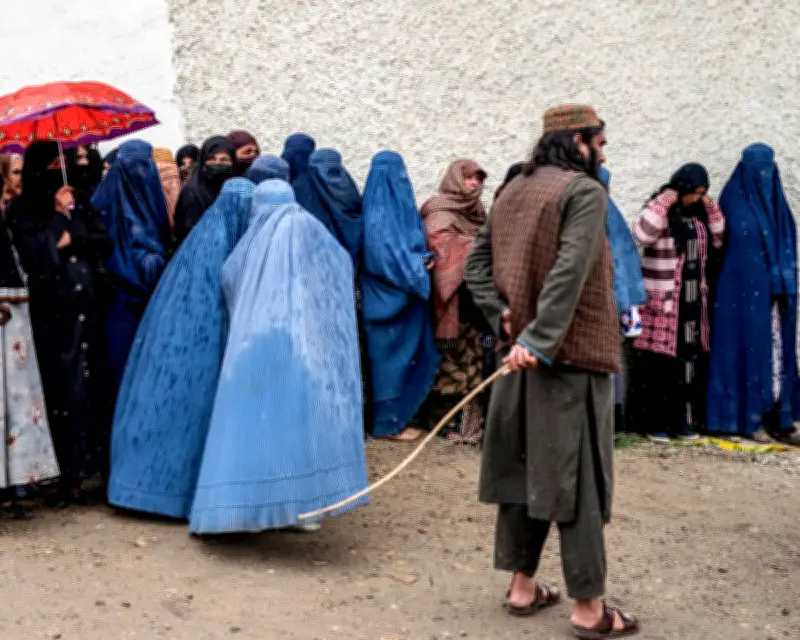
Days after Kabul fell in August 2021, EU foreign policy chief Josep Borrell pledged that cooperation with any future Afghan government would be conditioned on respect for fundamental rights. However, the Taliban immediately launched an assault on women's rights that has only intensified. Girls are barred from secondary school and university, child marriage is legalised, women cannot travel without a male guardian, and they are excluded from jobs, parks, and bathhouses. Women's voices are literally silenced, forbidden from being heard in public or even from within their own homes.
A new criminal code introduced last year permits men to beat their wives, with a maximum sentence of just 15 days even if 'obscene force' is proven. In contrast, harming an animal can result in five months in prison. These restrictions are not merely oppressive but often deadly in a country gripped by a humanitarian crisis. UN experts have stated this 'widespread, systematic and all-encompassing' assault may amount to 'gender apartheid'.

Brussels talks spark backlash
Despite this, the EU hosted Taliban representatives in Brussels this week for the first time since they returned to power. Officials insisted the meeting did not amount to recognition, but over 80 Afghan and human rights organisations warned in a joint letter that it risks 'normalisation and implicit legitimisation'. Taliban foreign ministry official Zakir Jalaly described the visit as 'an important milestone in relations'.
A European Commission spokesman said the meeting focused on returning irregular migrants who have committed serious crimes or pose a security threat. However, Euronews reported that the invitation mentioned only the return of 'Afghan nationals with no right to stay in the EU'.
Deportation push amid domestic pressures
European governments are ramping up deportation efforts in response to domestic political pressures. Last week, the European parliament backed plans to expedite removals of undocumented migrants, potentially allowing detention for up to two years or sending people to offshore centres. UN human rights chief Volker Türk criticised the plans, noting that international law prohibits returning individuals to places where they face serious human rights violations.
Internationally, over 1.5 million Afghans were deported from Iran last year alone, and Pakistan has forcibly returned large numbers. Forced returnees reported threats, arbitrary detention, and torture in interviews with UN officials last year.
Indifference to Afghan women's plight
European concerns about Taliban rule affecting migration rates, not just Afghan lives, were voiced from the beginning. But as rights and humanitarian crises have deepened, anti-migration sentiment has come to dominate. Afghans, especially women, now fight both Taliban persecution and international indifference. Governments that profess to care for women should push for gender apartheid to be recognised as a crime under international law, fund essential relief efforts in Afghanistan, and support those who have fled to create safe new lives—not work with the Taliban to send more back, potentially to their deaths.