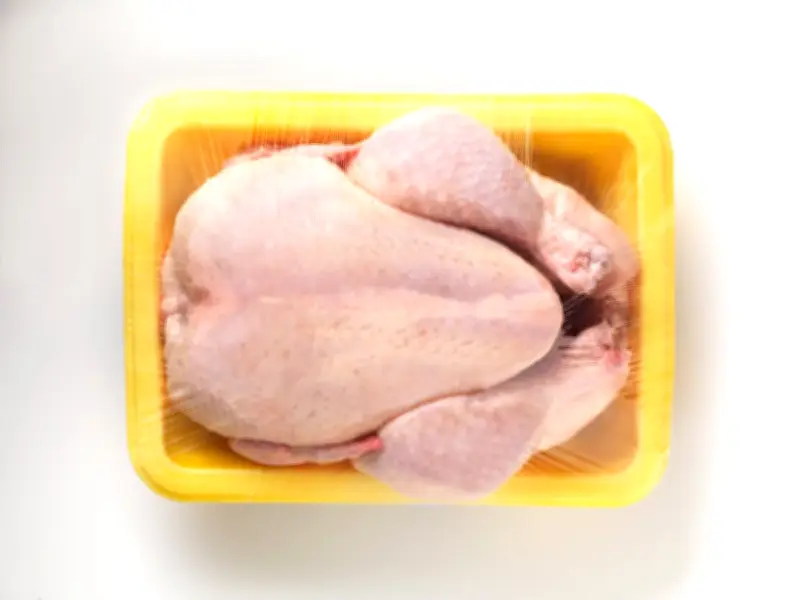
Australians consume more chicken than any other meat, with an average of nearly 55kg per person annually—almost double the amount of pork, the second-most consumed meat. Chicken's affordability is a key driver: indexed to 2010 retail prices, chicken has risen only 20%, while beef has surged nearly 80% and lamb almost 40%.
Prof Stephen Walkden-Brown, interim director of Poultry Hub Australia, notes that chicken meat is consistently good quality. "You don't get bunged batches of chicken meat that's very tough or stringy," he says, attributing this to uniform production systems and the youth of the birds, which ensures tenderness.
However, supermarket shelves present a confusing array of labels—free-range, organic, RSPCA-certified, hormone-free—each with different implications for welfare, cost, and production methods.

What Different Labels Mean
Walkden-Brown explains that the main differences between certification schemes stem from consumer demands regarding chicken welfare. "It's a personal preference about how you think chickens should be raised," he says. The least to most expensive chicken typically follows this order: RSPCA-certified, free-range, then organic.
According to José Quinteros, a lecturer in poultry health at the University of Sydney, there is no evidence that different production methods affect taste. Feed type, such as corn-fed or pasture-raised, causes only "slight differences" in flavor, Walkden-Brown adds, noting that corn oil gives fat and meat a yellowish hue.
RSPCA-Certified Chicken
About 90% of Australian chicken meat is RSPCA-certified, making it the most common certification. These standards exceed both the 2022 Australian animal welfare standards and guidelines for poultry and the 2002 model code of practice. Only Western Australia and Victoria (phasing in mid-2026) have legislated the newer standards; other states still follow the older code.
RSPCA certification mandates minimum litter depth (50mm) and light/dark periods (six hours continuous darkness daily for birds over seven days). Melina Tensen, senior scientific officer at RSPCA Australia, says litter provides comfort and encourages natural behaviors like foraging, while light cycles support circadian rhythms. Some farms use extended light to promote feeding.
Walkden-Brown states that Australian chicken is reared under relatively high standards globally. "Once you throw the RSPCA standards in, you can be pretty confident that it's a quality product produced ethically," he says. Both indoor and outdoor chickens can be RSPCA-certified.
Free-Range Chicken
Free-range is a voluntary certification and the second most common. It means chickens have outdoor access but are otherwise raised in barns. Unlike free-range eggs, there is no legal definition for free-range chicken meat, says April Broadbent, campaigner for Better Chicken Australia.
For eggs, free range requires a maximum of 10,000 hens per hectare outdoors; no such limit exists for meat chickens. Broadbent advises looking for third-party certifications like RSPCA-Certified free range, Australian Certified Organic, or Free Range Egg & Poultry Australia, which have comprehensive definitions.
Walkden-Brown notes welfare issues with free-range systems, including disease spread from wild birds. He adds that chickens rarely go outside when given a choice, preferring warm, protected buildings. "A small proportion of the birds do go out but at least they have the choice to go outside," he says.
Organic Chicken
Companies do not need certification to claim organic products. Consumers should look for the Australian Certified Organic sticker, administered by the Department of Agriculture, Fisheries and Forestry. This certification imposes stricter maximum stocking density (25kg per sq metre) and requires chemical- and fertiliser-free, non-GMO feed. Antibiotics are banned unless necessary for disease outbreaks.
The higher price of organic chicken is partly due to feed costs. "Roughly 70% of the cost of raising chickens is the feed and they eat a lot," Walkden-Brown says.

Hormone-Free and Other Labels
Broadbent criticizes labels like "hormone-free" or "no added hormones" as marketing gimmicks. "It's illegal to import fresh chicken meat into Australia... Slapping 'grown in Australia' on fresh chicken is just marketing, because it's all grown and produced in Australia," she says. Walkden-Brown confirms hormones have not been used in Australian chicken meat for over 60 years.
Comparing Certifications
Stocking density, measured in kilograms per square metre, is a universal metric accounting for birds' rapid weight gain. Free-range access for meat chickens varies widely across certifications. Walkden-Brown calculates that organic certification's free-range access equates to roughly 1kg per square metre, ensuring chickens truly have space to go outside.
Both experts agree that meat chickens do not engage with outdoor environments like egg-laying hens. "It's less relevant to have really specific requirements around those outdoor spaces," Broadbent says, explaining the variation in metrics.