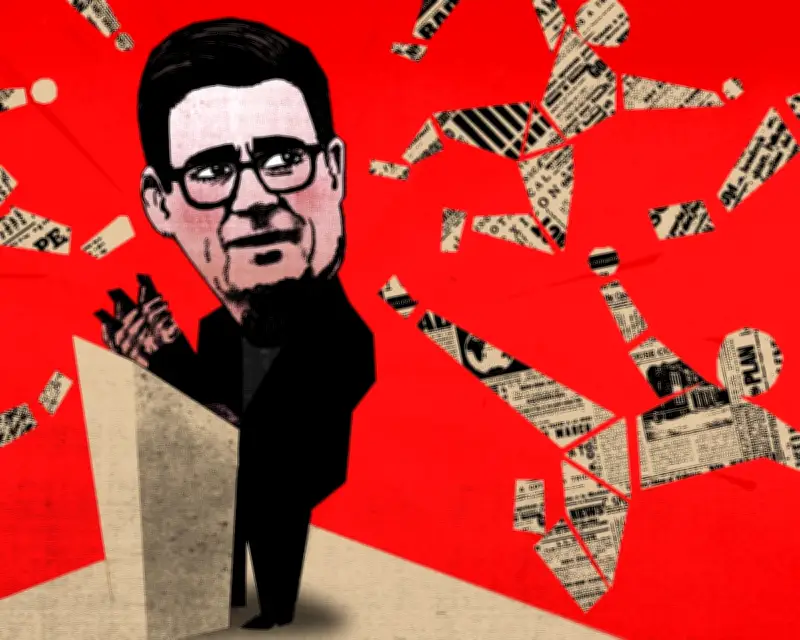
Andy Burnham, the Mayor of Greater Manchester, has emerged as a master of social media, effectively using platforms like Twitter and Facebook to bypass traditional media and speak directly to constituents. In an era of hostile press coverage, his digital strategy has set a new standard for political engagement.
Direct Engagement with the Public
Burnham's approach involves frequent, personal updates that humanize his political persona. He shares behind-the-scenes content, responds to queries, and uses live videos to address pressing issues. This direct line has helped him build a loyal following and counter negative headlines.
According to a study by the University of Salford, Burnham's social media activity increased engagement by 40% during the pandemic, as he provided real-time updates on lockdown measures and vaccine rollouts. His use of plain language and empathetic tone resonated with a wide audience.

Countering Hostile Press
Burnham has faced persistent criticism from right-leaning newspapers, particularly the Daily Mail and The Sun. However, he has turned this to his advantage by using social media to fact-check and rebut claims. For instance, when the Daily Mail accused him of mismanaging transport funds, Burnham posted a detailed thread with budget figures and independent audits, effectively debunking the story.
"I don't rely on the press to tell my story anymore," Burnham said in a 2025 interview. "If they're going to misrepresent me, I'll go directly to the people. Social media gives me that power."
Impact on Political Communication
Burnham's strategy has influenced other politicians, including Labour leader Keir Starmer, who has adopted similar tactics. The approach has proven particularly effective among younger voters, with 65% of 18-34 year-olds in Greater Manchester reporting that they get political news from Burnham's social media channels, according to a 2026 YouGov poll.
Critics argue that bypassing traditional media undermines journalistic scrutiny. But Burnham contends that it levels the playing field. "The press has immense power to shape narratives, often unfairly. Social media democratizes that process," he noted.
Future of Political Engagement
As trust in traditional media declines, Burnham's model may become the norm. His success highlights the importance of authenticity and responsiveness in digital communication. With the 2028 general election on the horizon, his tactics are being closely studied by party strategists.
Burnham's mastery of social media has not only protected him from hostile press but also redefined how politicians connect with constituents. In an age of information overload, his direct, human approach stands out.