The sell-off in AI stocks has intensified, driving South Korea's stock market down to its lowest level in three months. Investors continued to ditch chip stocks on Tuesday, amid rising concerns about the huge amount of borrowing among AI companies to fund their datacentre expansion plans.
South Korean chipmakers hit hard
The South Korean semiconductor companies SK Hynix and Samsung Electronics fell by more than 10%, dragging the country's Kospi share index down by 11.5% to its lowest point since mid-April. US chip stocks extended their recent losses when Wall Street opened on Tuesday, with Intel, Advanced Micro Devices, Sandisk, Western Digital Corp and Seagate Technology all down by more than 4%.
GSK announces sweeping job cuts
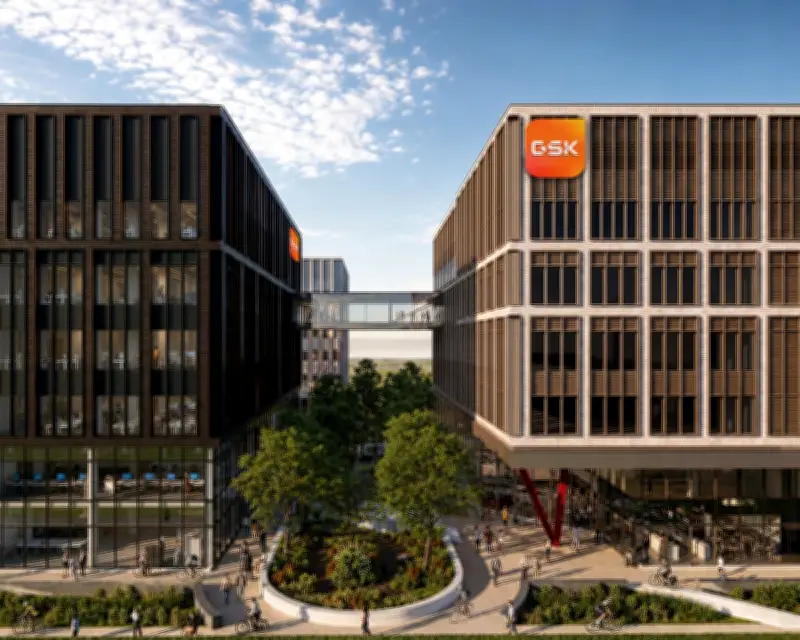
The British drugmaker GSK is to announce sweeping job cuts as part of a £1.9bn cost-cutting programme to pay for a £400m investment in UK life sciences over the next three years, including in a new research and development centre in Cambridge, as it looks to develop drugs more quickly under its new chief executive. The pharmaceuticals company announced on Tuesday it will move more than 1,000 of its scientists to its new site on the Cambridge biomedical campus. It will close its R&D site in Stevenage in Hertfordshire by 2029, while upgrading its R&D laboratories at nearby Ware and moving some employees there.

Barclays bonus pool jumps 30%
Andy Burnham has been urged to launch a tax raid on UK banks, as Barclays revealed a 30% increase in its half-year bonus pool after a rise in profits. Fresh corporate filings released on Tuesday showed the bank put £1.3bn towards its bonus pool for the first half of the year. That figure, which includes annual and deferred bonuses, was up from £1bn last year. That bonus pot will continue to accumulate through the second half of this year, and could lead to more generous payouts for high-performing bankers when Barclays makes final pay decisions by the end of February next year.
Unilever warns of further price rises
Unilever has warned it will push through further price rises over the coming months, as the Marmite, Dove and Hellmann's owner tries to recoup its own growing costs. The Anglo-Dutch company said that while the pace of price rises slowed in the second quarter, owing in part to World Cup-related discounts and efforts to stay competitive in Brazil, these were “temporary factors” and would not shield consumers for long. “We expect underlying price growth to accelerate in the second half as commodity-driven pricing continues to land in market,” the company told shareholders on Tuesday.