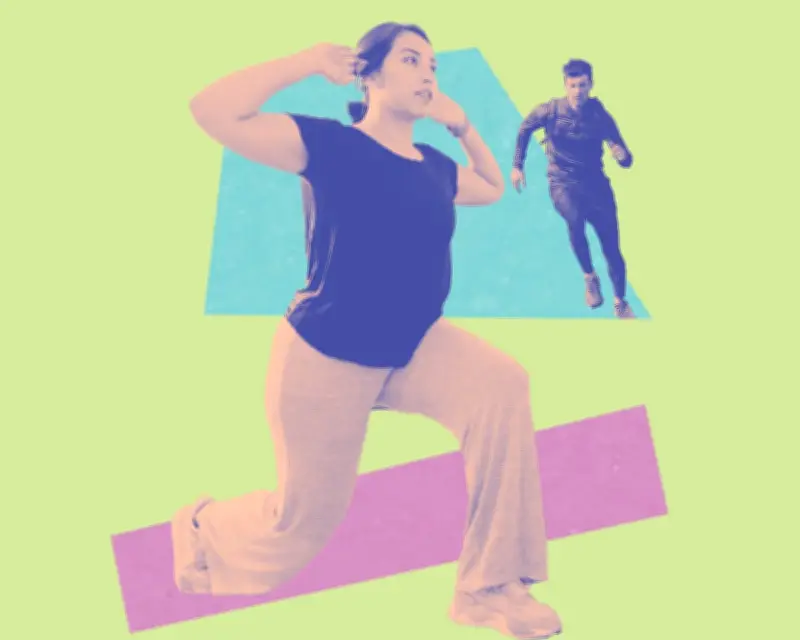
Rheumatologists and orthopaedic surgeons have shared 14 expert tips to help protect joints, emphasizing that smaller doses of exercise are a 'miracle cure' for joint health. The advice covers movement, diet, and communication with doctors, aiming to prevent arthritis and avoid surgery.
Move as much as possible
According to the UK chief medical officers, adults should get 150 minutes of moderate-intensity exercise or 75 minutes of vigorous activity weekly. However, Prof Scarlett McNally, a consultant orthopaedic surgeon at East Sussex Healthcare NHS trust, notes that about 27% of adults in England 'do less than 30 minutes a week of exercise that gets them out of breath. If you can increase that just a little, it has massive health gains.'
Prof Alister Hart, an orthopaedic surgeon at University College London, adds that arthritis risk is likely to reduce as sport participation increases, though some activities like football and skiing can increase injury risk. 'But on a population level, the more sport, activity and exercise we do, the less arthritis should happen.'
Understand osteoarthritis
McNally explains that osteoarthritis is no longer called 'wear and tear' because 'joints are better if you use them. Stay active and build up your muscles.' Dr Elizabeth MacPhie, a consultant rheumatologist in Preston, acknowledges that exercise can be frightening for those in pain, but supports patients to find the right type. Resources like Moving Medicine can help.
Pay attention to aches and pains
Hart says movement is medicine, citing hip fracture recovery where getting patients moving is key. He advises starting with low-intensity movements like stretching or cycling. 'The red flags are pain waking you at night for many nights and a need for painkillers for more than a week.'
Practise glute bridges and squats
Hart recommends glute bridges as a zero-harm exercise: 'When you are lying on your back, bend your knees to 90 degrees and push your pelvis to the ceiling.' McNally emphasizes squats for independence: 'If you fall over and you can’t get up, you’ll become dependent on others very quickly.'
Do parkrun
Hart describes running 5k as a 'Goldilocks dose' that benefits skeletal muscles and tendons. McNally notes that parkrun works because it becomes a habit. 'Smaller doses really are a miracle cure,' she says, adding that benefits stop at an hour a day.
If you can’t run, swim
Dr Matthew Hutchinson, a consultant rheumatologist in London, says low-impact aerobic activities like swimming 'definitely appear to improve function and reduce pain.' MacPhie adds that water exercise, including walking or gentle stretches, is easier for those with joint pain.
Don’t forget to stretch afterwards
Hart advises even two minutes of stretching after a workout is beneficial, but cautions against pushing too far. 'Take your joints through their normal range of motion.'
Make time for strength training
Hart calls strength training 'the number one way in which you can prevent arthritis. It is never too early or too late.' McNally, who had two hip replacements, says strengthening muscles helped her recover faster: 'I could go on my electric bike and cycle for an hour, which kept my muscles going.'
Conditioning is key
Hart notes that professional athletes combine strength training with conditioning, and advises swapping: 'You’ve got all the bendy people in the yoga studios – they need more strength. And you’ve got all the Muscle Marys in the gym – they need a bit more stretching, conditioning and mobility work.' Hutchinson adds that stronger muscles reduce strain on joints.
Eat with your joints in mind
Hutchinson recommends a healthy, non-processed diet with whole foods, fresh fruit, and vegetables, as gut microbiome dysregulation may affect arthritis. Hart suggests vitamin D and K supplements, especially in UK winter, and MacPhie advises D3 at 4,000 IU. Cod liver oil is helpful due to omega-3s, but not a treatment for inflammatory arthritis.
Slim down if you need to
Hutchinson says weight loss reduces strain on joints and inflammation. He notes interest in GLP-1 drugs but does not recommend them universally.
Work on describing your pain
Hutchinson advises keeping a diary of pain onset, timing, location, and aggravating or relieving factors to convey accurately to a doctor.
Quit smoking
Hutchinson states smoking worsens rheumatoid arthritis severity: 'Rheumatoid arthritis is very strongly associated with smoking and the disease’s severity.'
Be careful what you wear on your feet
Hart warns that carbon-plated shoes change biomechanics and can risk stress fractures. McNally says comfortable, affordable footwear is fine: 'People shouldn’t need expensive kit to start being active.'