The Underground Station That Wealthy Mayfair Didn't Want
In the early 20th century, a new London Underground station was constructed in the heart of Mayfair, one of London's most exclusive neighborhoods. However, this development was met with immediate and intense opposition from the area's affluent residents, who preferred more luxurious modes of transport and expressed concerns about the station attracting what they termed 'undesirables' to their prestigious locale.
Resistance Forces Compromises
Despite the ambitious plans of the Great Northern, Piccadilly and Brompton Railway to build Down Street station with an entrance on the main road—a standard feature for stations along the route—the backlash from wealthy locals forced significant changes. The railway company ultimately had to settle for a less prominent location on a side street, significantly impacting the station's visibility and accessibility from its opening on March 15, 1907.
From the beginning, Down Street station struggled with remarkably low passenger numbers. Its concealed position and proximity to more convenient stations like Hyde Park Corner and Dover Street further diminished its utility. By 1932, just 25 years after opening, the station was permanently closed to public service, seemingly confirming the residents' fears that it would not be a worthwhile addition to the neighborhood.
Unexpected Wartime Transformation
Yet the story of Down Street station took a dramatic turn following its closure. With the outbreak of the Second World War in 1939, the abandoned station found new purpose as it was converted into a highly secure underground bunker for the Railway Executive Committee. This organization was responsible for maintaining critical railway operations throughout the conflict.
The expansive tunnels of the former station were transformed into functional spaces including offices, bathrooms, dining rooms, and dormitories. Historical accounts describe corridors so narrow that a tea trolley could barely squeeze through, highlighting the challenging conditions of this covert facility.
Secret Access and High-Profile Use
The bunker featured ingenious security measures, including a discreet entry system. While primary access was through the original street-level building, an alternative escape route existed. Perhaps most remarkably, a small section of the original platform remained intact, allowing for clandestine arrivals and departures.
When executives needed to enter or exit, they would place a red lamp on this platform remnant. The next passing train would then stop briefly, allowing just enough space for individuals to board alongside the driver without alerting other passengers to the unusual stop. This system maintained the bunker's secrecy while providing essential access.
Given its exceptional security, Down Street bunker attracted the highest levels of British leadership. Prime Minister Winston Churchill, along with several government members, utilized the facility before the completion of the Cabinet War Rooms in Westminster. Churchill affectionately referred to the bunker as 'The Barn,' acknowledging its rustic but secure nature.
Post-War Legacy and Preservation
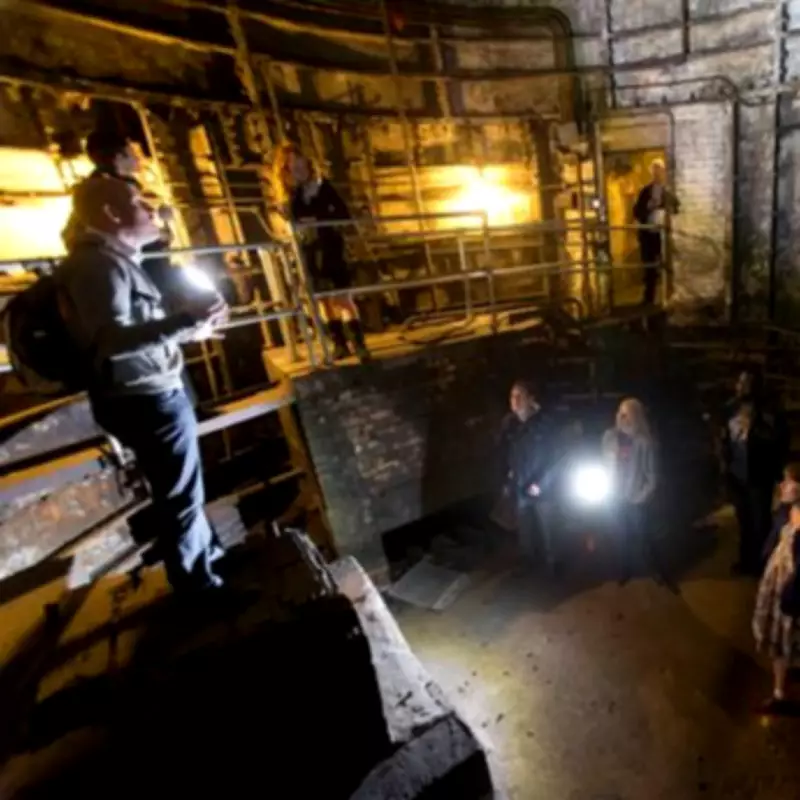
Following the war, London Transport assumed control of the Down Street bunker, repurposing it for engineering access and emergency exits. While many of the wartime offices have been removed, those situated on the original platforms remain preserved as historical artifacts.
Today, the London Transport Museum offers guided tours of this remarkable site, allowing visitors to explore the long-abandoned station that wealthy residents once opposed but which ultimately played a crucial role in Britain's wartime efforts. The story of Down Street station serves as a fascinating chapter in London's transport history, illustrating how urban infrastructure can evolve in unexpected ways despite initial resistance.