The Baffling Price Gap in UK Transport
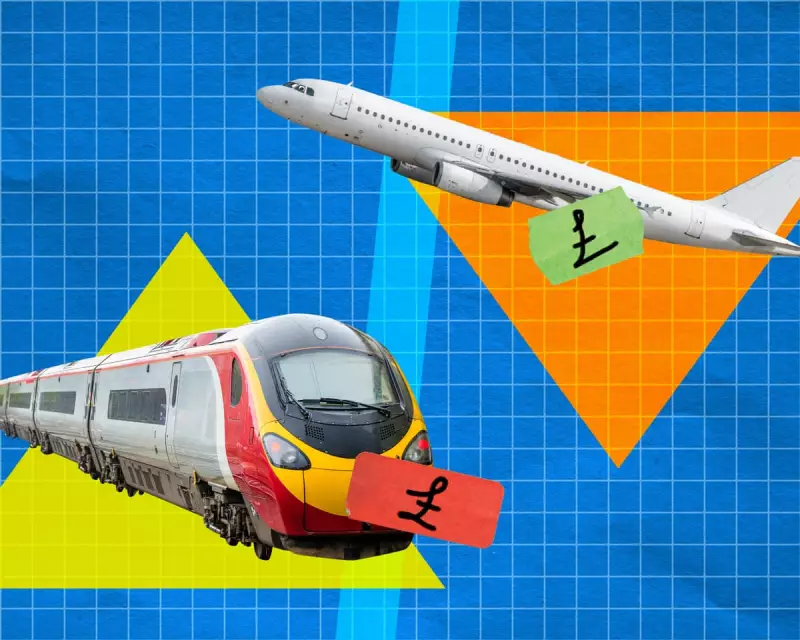
It remains one of Britain's great travel paradoxes: why does flying domestically often cost significantly less than taking the train? Years ago, air travel was exclusively for the wealthy, making today's price differences particularly startling. Recent research confirms this trend continues to puzzle British travellers.
According to a summer study by personal finance comparison site Finder, flying within the UK emerged as the cheapest option more frequently than rail travel. When researchers asked people about these findings, respondents universally expressed that "trains should be cheaper as it is public transport and more accessible", with many describing the situation as feeling "all wrong".
Real-World Price Comparisons Reveal Stark Differences
Examining specific routes on a day in October reveals dramatic price disparities. For a midday journey from London to Edinburgh on Thursday 2 October, train tickets started from £77.10 while flights were available from just £15. Other flights the same day remained below £20, whereas train tickets rarely dipped below £40.
The pattern repeated across other popular routes. Travelling from Newquay to Manchester saw pre-9pm train fares starting at £113 compared to flights from £53. Similarly, Glasgow to Bristol flights cost from £15 while train journeys began at £56.50. These prices fluctuate throughout the day and vary depending on booking timing, clearly demonstrating that fares don't simply reflect service provision costs.
Understanding the Cost Structures Behind Both Industries
Rail operators face substantial expenses including train leasing, staffing, and track maintenance, which together account for approximately 85% of their costs. Fuel – either electricity or diesel – adds to this, with VAT applied at 5% on diesel and 20% on electricity. While exact figures for running a London to Edinburgh service aren't publicly available, industry sources suggest costs reach "tens of thousands of pounds" per journey.
Despite these expenses, rail travel receives significant government support. Official figures show train operating companies received £4.1 billion in subsidies in the year ending March 2024.
Airlines face parallel costs including aircraft leasing, landing slots, and staffing. However, their fuel costs – representing a much larger portion of overall expenses – benefit from zero VAT or duty. The Campaign for Better Transport estimated three years ago that taxing domestic flight fuel at the same rate as petrol would generate £1.5 billion annually for the government.
The Hidden Costs Beyond Basic Ticket Prices
Headline flight prices often conceal additional charges that can substantially increase journey costs. Ryanair's latest accounts reveal that while average fares stood at €46 (£41), total revenue per passenger including add-ons reached nearly €70.
On the London to Edinburgh route, Ryanair's cheapest ticket permits only one small bag measuring 40x30x20cm. Adding a 10kg suitcase costs £28 extra (including priority boarding and seat reservation), bringing the total to £43 – still cheaper than the £77.10 train fare. However, transporting a bicycle illustrates how costs can shift: LNER carries bikes free (subject to reservation) while Ryanair charges £60.
Location factors also significantly impact true journey costs. The London to Edinburgh train connects city centres – King's Cross to Waverley station, right in Edinburgh's heart. Meanwhile, Stansted Airport lies 39.4 miles from central London, and Edinburgh Airport is 8.9 miles from Waverley. Arriving late when public transport has diminished often means expensive taxi journeys that can eliminate any flight savings.
Environmental Impact and Business Strategies
From an environmental perspective, the comparison is stark. Research by Which? indicates a London to Edinburgh flight emits more than double the CO2 of the equivalent train journey, though Ryanair disputes these findings.
Both industries employ sophisticated pricing strategies, charging what the market will bear to maximise occupancy. Ryanair's spokesperson acknowledged their £15 London-Edinburgh ticket serves as a "loss leader to stimulate traffic growth", recognising that a cheap ticket generates more revenue opportunities through add-on purchases than an empty seat.
Ultimately, while headline flight prices may appear cheaper, travellers must consider luggage requirements, airport transfers, and environmental impact before determining their true best value. The train often emerges as the better overall deal when all factors are properly accounted for.