Virgin Trains has officially secured approval from the Office of Rail and Road (ORR) to launch high-speed passenger services from London to Paris, Brussels, and Amsterdam, directly challenging Eurostar's three-decade-long monopoly on the Channel Tunnel route. The approval, announced on Tuesday, August 18, 2026, allows Virgin to begin operations on October 1, 2030, with the agreement running until the end of 2040.
Eurostar has been the sole passenger operator through the Channel Tunnel since 1994, making this a historic development in cross-Channel travel. Virgin's entry into the market is expected to introduce competition that could lower fares and increase service frequency.
Destinations and Launch Details
Virgin's plans include direct trains from London to Paris, Brussels, and Amsterdam, with ambitions to run up to 20 trains per day. Richard Branson, founder of Virgin Group, has also hinted at future expansion into 'further across France, and into Germany and Switzerland', though no specific timelines for those routes have been confirmed.
The initial focus will be on London St Pancras International, the same station used by Eurostar. Virgin has previously suggested that other UK stations, including Ashford and Ebbsfleet in Kent, could also see cross-Channel services in the future.
Fleet and Infrastructure
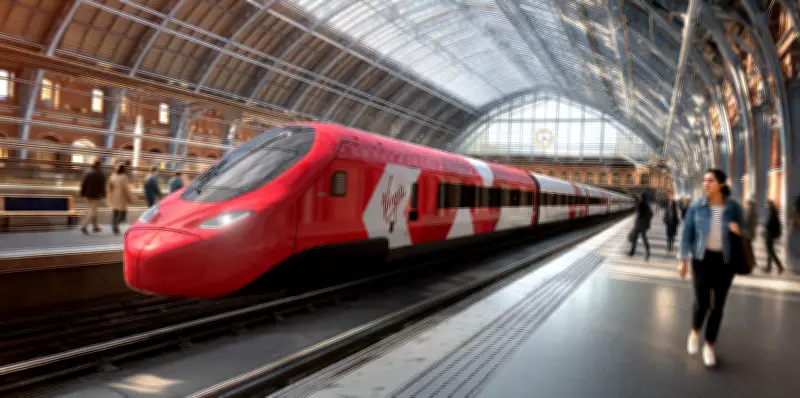
To operate the new service, Virgin has agreed to acquire 12 trainsets from the French manufacturer Alstom. The chosen model, the Avelia Stream, is based on the Class 390 Pendolino that Virgin previously operated on the West Coast Main Line, though the new trains will not tilt. Each train will have seven carriages and feature Virgin's signature red and white livery, according to a mock-up shared by the company.
While Virgin will share the Temple Mills depot in London with Eurostar, another competitor, Italy's state-owned railway Ferrovie dello Stato Italiane (FS Group), is taking a different approach. FS Group recently ordered 19 high-speed trains for the London-France route and is building an €80 million maintenance facility near Paris to support its operations.
Impact on Eurostar and Fares
Branson has been vocal about his intentions, stating last year: 'It's time to end this 30-year monopoly and bring some Virgin magic to the cross-Channel route.' On pricing, he has said: 'If you have competition, then fares will inevitably come down. If we've got seats that need selling, we will reduce the cost of them.' While no ticket prices have been officially announced, this suggests a likely downward pressure on fares.
Eurostar has responded to the news, acknowledging 'the huge potential for growth in international rail and the ambition across the industry to bring more passengers to Europe by train'. The company added: 'Eurostar will play a full part in that growth, and our focus remains on delivering our own ambitious plans, investing in our fleet and carrying 30 million passengers a year.'
The ORR, in its approval, noted that bringing new services into St Pancras would 'demand more robust operational working', but concluded that this should not prevent the plans from proceeding. With Virgin's entry set for 2030 and FS Group's trains also on the horizon, the cross-Channel rail market is poised for its most significant transformation since the tunnel opened.