Britain's New £431m Train Fleet Unveils Luxury Interiors and Advanced Technology
Fresh images have revealed the sophisticated interior design of Britain's latest train fleet, with the new Class 897 rolling stock set to transform long-distance rail travel on the East Coast Main Line. The £431 million investment represents the first new additions under the nationalised Great British Railways (GBR) scheme, marking a significant milestone for the UK's rail infrastructure.
Tri-Mode Technology and Passenger Capacity
The new trains will become the UK's pioneering long-distance "tri-mode" locomotives, capable of operating via three distinct power sources. These innovative trains can run on overhead electric power, switch to diesel engines when necessary, and utilise battery technology in areas where overhead cables are unavailable. Each 10-carriage train will accommodate 569 passengers across Standard and First Class configurations, including dedicated wheelchair spaces with companion seating to ensure inclusive travel for all.
Enhanced Comfort and Sustainable Materials
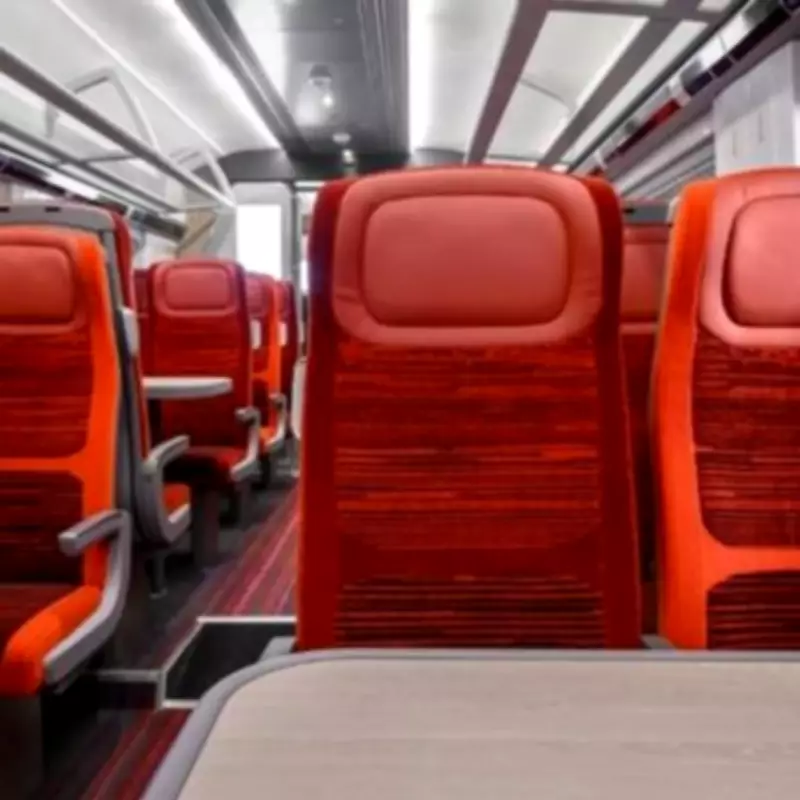
LNER has developed the interior design through extensive customer and stakeholder feedback, focusing on delivering what they describe as a "great customer experience." Passengers will benefit from substantially improved seating comfort in both Standard and First Class compartments, with First Class seats featuring reclining capabilities. The railway operator has introduced new and enhanced seat pads, widened side bolsters and head cushions, and reshaped cushions to provide optimal support during journeys.
Seat materials have been carefully selected to maximise both durability and sustainability, reflecting the railway's commitment to environmental responsibility while ensuring long-term comfort for passengers.
Accessibility and Inclusive Design Features
LNER has worked closely with its Accessibility Forum to introduce numerous features designed to "make journeys easier for disabled customers and those needing additional assistance." Beyond the wheelchair spaces, the trains incorporate thoughtful design elements that address various accessibility needs, demonstrating a comprehensive approach to inclusive public transport.
Onboard Amenities and Dining Experience
Standard Class passengers will enjoy access to a newly improved Café Bar stocked with delicious food and drinks sourced from local suppliers along the LNER route. Digital menu screens will display real-time availability of items, enhancing the onboard dining experience. Additionally, five water bottle refill stations have been strategically placed throughout each train, encouraging sustainable hydration practices during travel.
Atmospheric Lighting and Journey Comfort
The railway operator has implemented new, softer lighting systems throughout the trains, with First Class compartments featuring mood and table lighting specifically designed to create a more comfortable journey environment. These lighting enhancements prove particularly beneficial during early morning and evening travel, helping passengers relax throughout their journeys.
Industry and Government Perspectives
Dr Linda Wain, Engineering Director at LNER, expressed enthusiasm about the development, stating: "This is an exciting milestone for LNER as we reveal an insight into what our customers can expect from their journeys in the future. Our new fleet will bring more comfortable, more reliable, and greener journeys across the East Coast Main Line for decades to come."
Rail Minister Lord Hendy emphasised the broader significance of the investment, noting: "We're investing in our railways and bringing train operators into public ownership to put passengers back at the heart of what the railway does. This new fleet will be introduced under Great British Railways and will make travel even better for passengers."
He added: "A better, more attractive railway will drive economic growth, jobs and homes along the entire East Coast Main Line, and follows the new ECML timetable which is transforming journeys by unlocking thousands of extra seats and more cheap fares."
Fleet Replacement and Long-Term Vision
The Class 897 trains will replace LNER's ageing InterCity 225 fleet, which has served passengers for nearly four decades. This substantial upgrade represents not just new equipment, but a fundamental shift toward more sustainable, comfortable, and technologically advanced rail travel in Britain. The introduction of these trains under the Great British Railways framework signals a renewed commitment to national rail infrastructure that prioritises passenger experience, environmental considerations, and long-term reliability.