In a significant policy shift, the government has recently granted approval to Northern Powerhouse Rail (NPR), a £45 billion East-West rail initiative aimed at enhancing connectivity across Yorkshire, the North East, Manchester, and Liverpool. This decision marks a notable departure from past perceptions of a North-South divide in infrastructure investment, where London often seemed to receive preferential treatment. However, the move raises critical questions about whether this project is driven more by political calculations than genuine economic growth strategies.
The Cultural and Economic Divide Revisited
For years, the North-South divide in the UK has been framed as much in cultural terms as economic ones, with stereotypes about regional preferences—from chip toppings to television habits—overshadowing deeper issues of funding disparities. Politically, this narrative has been leveraged by regional leaders to advocate for greater investment, particularly in transport infrastructure. While debates over the Barnett Formula and public spending allocations continue, the approval of NPR suggests a tangible shift in priorities, potentially benefiting the North at London's expense.
NPR: A Transformative Yet Overdue Project
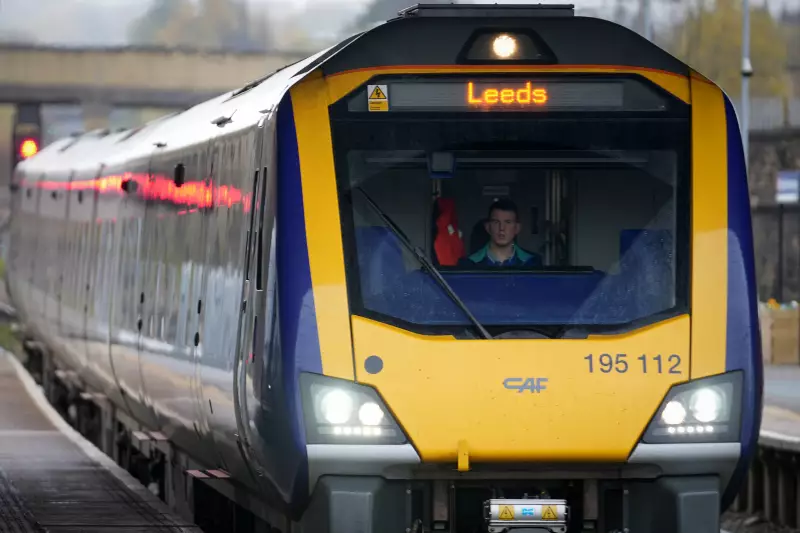
Northern Powerhouse Rail is undeniably a transformative endeavour, addressing long-standing inefficiencies in northern transport networks. Currently, train journeys between key cities like Manchester and Liverpool take around an hour, while routes from Manchester to Leeds or Carlisle to Newcastle exceed an hour and a quarter, highlighting a stark contrast to high-speed rail systems in countries like Japan and France, which have been operational for decades. NPR promises to modernise these connections, fostering regional integration and economic development.
London's Funding Dilemma
Despite the benefits of NPR, concerns persist regarding the government's commitment to similar investments in London. Crossrail 2, a proposed north-south underground line estimated at £41 billion in 2019, offers a compelling business case with projected benefits including a 10 per cent increase in tube network capacity, the creation of 200,000 jobs, and the unlocking of up to 200,000 new homes. Economically, it is forecast to generate £150 billion for the UK, with a cost-benefit ratio of 1:6.9, compared to NPR's ratio of just over 1:2.
Moreover, London has historically shouldered a significant portion of its transport funding. For instance, the Elizabeth Line saw around two-thirds of its £19 billion cost covered by local sources, such as Transport for London (TfL) and the Greater London Authority (GLA), along with the London Business Growth Levy. Similarly, projects like the DLR extension to Thamesmead and the Northern Line Extension to Battersea have relied heavily on local financing, with minimal central government support.
Political Motives vs Economic Realities
The timing and scale of NPR's approval suggest that political considerations, particularly the pursuit of northern votes, may be overshadowing economic rationale. While the project addresses regional disparities, it risks neglecting London's role as the UK's economic engine. Investments in the capital have proven to yield widespread benefits, as evidenced by the £42 billion generated by the Elizabeth Line for areas outside Greater London. Failing to support London's infrastructure needs could hinder national growth, underscoring the importance of balanced investment strategies.
In conclusion, while Northern Powerhouse Rail represents a positive step towards reducing regional inequalities, its approval highlights a broader tension between political expediency and economic efficiency. Ensuring that transport funding aligns with long-term growth objectives, rather than short-term electoral gains, is crucial for the UK's overall prosperity, regardless of regional preferences for chips with or without gravy.