After years of anticipation and construction, Melbourne's monumental Metro Tunnel project has finally opened its doors to the public, marking a new era for the city's strained transport network. The £9.7 billion infrastructure endeavour, which commenced in 2017, introduces a game-changing twin-tunnel rail line beneath the heart of the city, designed to alleviate chronic congestion and connect key precincts like never before.
A New Artery Beneath the City
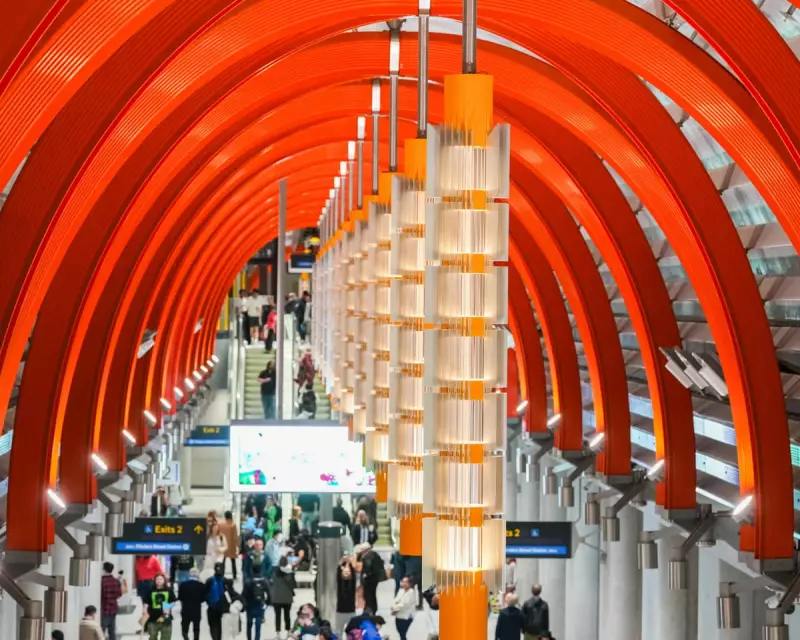
The centrepiece of this transformation is the opening of five brand-new underground stations. These are not just stops on a line but major public spaces in their own right. Arden, Parkville, State Library, Town Hall, and Anzac stations have begun welcoming passengers, each designed to serve critical hubs of education, healthcare, government, and commerce.
The project's scale is staggering. Engineers excavated over one million cubic metres of rock and soil to create the nine-kilometre twin tunnels. The new line seamlessly integrates with the existing Cranbourne and Pakenham lines, creating a continuous run from the north-west to the south-east of Melbourne without requiring a cumbersome change at the congested Flinders Street station. This direct connection is expected to slash travel times and increase the network's capacity significantly.
More Than Just Tracks and Trains
Beyond the engineering feat, the Metro Tunnel represents a profound shift in how the city functions and grows. The State Library and Town Hall stations are poised to become bustling new civic squares, pulling activity and footfall into areas previously dominated by traffic. The Parkville station provides a direct, dedicated link for the thousands of students, researchers, and patients travelling to the University of Melbourne and the Royal Melbourne Hospital precinct every day.
This is a project with foresight. It is not merely solving today's overcrowding on the City Loop but is fundamentally enabling Melbourne's future expansion. By creating new, high-capacity pathways, the tunnel frees up space across the entire network, allowing for more frequent services on other suburban lines. The government and planners envision this as the spine that will support Melbourne's growth for decades to come, encouraging higher-density living around the new stations and reducing reliance on cars.
The Road Ahead: Challenges and Transformation
The opening, while a moment of celebration, is not the end of the story. The true test begins now as commuters adapt to new timetables and the system beds in. There will inevitably be teething problems as passenger patterns shift and the full operational rhythm is established. Furthermore, the disruption caused by years of construction has left a mark on the urban fabric above ground, with the full revitalisation of some sites still to be completed.
However, the long-term implications are overwhelmingly positive. The Metro Tunnel is a bold statement of confidence in public transport as the lifeblood of a modern, liveable city. It promises to reshape daily routines, unlock economic potential in new areas, and provide a more reliable alternative for millions of journeys. As the first passengers ride through the deep-bore tunnels, they are not just travelling from A to B; they are experiencing the first tangible result of a vision to untangle a gridlocked metropolis and propel it towards a more connected and sustainable future.