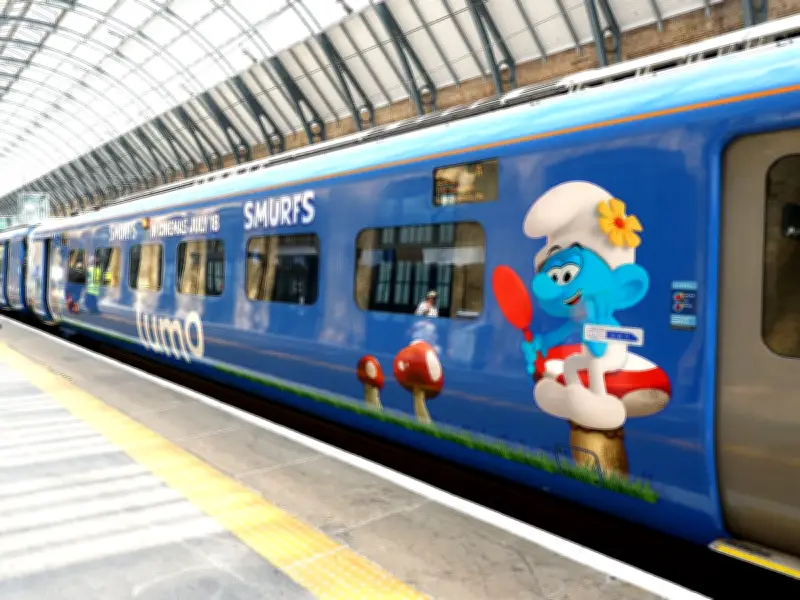
Lumo, a train operator, is running services of more than five and a half hours without any available toilets. Some of its 417-mile services on the West Coast Main Line (WCML) between London Euston and Stirling, in central Scotland, are operating despite all onboard toilets being out of use.
Fault and delays
The FirstGroup-owned company first warned about “a fault” with the toilets in a post on social media platform X on Saturday, August 1. Services have been stopping for longer at stations such as Preston to allow passengers to get off and use toilets on platforms.
Today (Friday, August 7), the 6.11am departure from London Euston, which was affected, ran with a 58-minute delay and terminated at Motherwell, North Lanarkshire.
Social media backlash
Lumo posted on X: "Apologies to those boarding our 6.11am service from London Euston to Stirling are advised that there are no toilet facilities on this train due to a fault. Please do speak to our onboard staff for further advice or assistance." The post has been viewed 397,000 times and has been heavily ridiculed.
Michael Blackley replied: "Would be intrigued to know the 'advice'." While looking at the funny side, John Robson wrote: "Makes Ryanair look first class in comparison."
Operator's response
Lumo operates its West Coast services with refurbished Class 222 Meridian trains. These are also used by East Midlands Railway, which has suffered toilet faults with its fleet. Train operators in Britain are not legally required to provide onboard toilets.
A Lumo spokesperson said: "We have been experiencing some issues with the reliability of some of our toilet facilities onboard our West Coast services. We are working closely with Alstom to rectify the issues." Alstom refurbished the trains for Lumo.
Impact and context
The train operator also runs services on the East Coast Main Line, connecting London Kings Cross with Edinburgh, Glasgow and Falkirk. It operates on an open access basis, meaning it sets its own fares, takes on all revenue risk and receives no taxpayer-funded subsidies. It is not affected by the Government’s renationalisation of all remaining franchised train services in Britain.