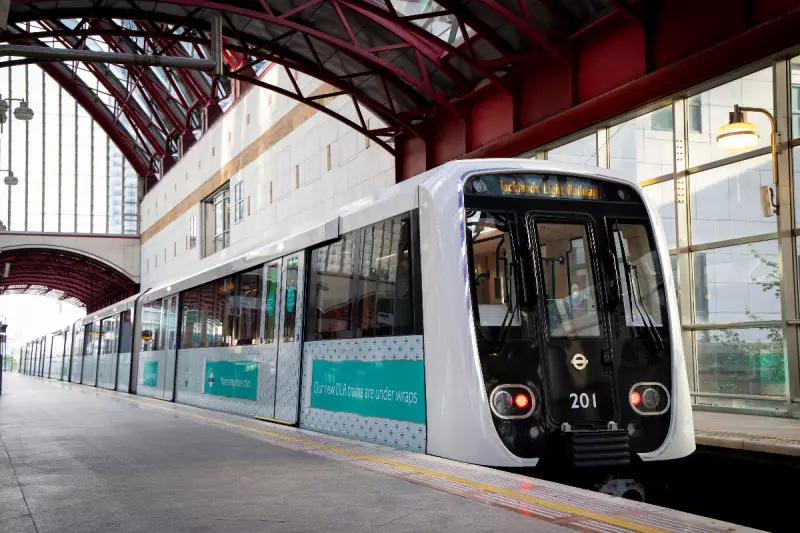
Chancellor Rachel Reeves is on the verge of making a significant misstep, according to critics, by prioritising the Docklands Light Railway (DLR) extension to Thamesmead in the upcoming Budget. This decision, framed as a solution for a key London transport gap, is being labelled as the wrong railway, pursued for the wrong reasons, and at a substantial cost to the public purse.
The Case For and Against the Thamesmead DLR
On the surface, the proposed DLR project has compelling merits. With a price tag of £1.7 billion, it is positioned as a relatively affordable and swift way to unlock the construction of 25,000 new homes and support the creation of 10,000 new jobs. This development is considered crucial for the regeneration of social housing in the area and for realising the vision of a Thamesmead New Town. For residents of an area long plagued by poor connectivity, the promise of a quicker route out is understandably attractive.
However, this extension represents only a partial solution. A major flaw in the plan is its failure to connect to Abbey Wood station, a key transport hub. By not forging this link, the project misses the opportunity to provide passengers with direct access to the Elizabeth Line, Thameslink, and North Kent Line services, severely limiting its potential economic and interchange benefits.
A Glaring Alternative: The West London Orbital
The debate intensifies when comparing the DLR plan to another shovel-ready project: the West London Orbital (WLO). The figures present a stark contrast. The DLR extension proposes 3km (1.9 miles) of new track and two new stations for its £1.7 billion cost.
In comparison, the WLO scheme, an expansion of the London Overground network, promises to deliver 18.5km (11 miles) of track and connect between 15 and 21 stations for just a third of the cost—£610 million at 2021 prices, according to TfL's own estimates.
The value proposition continues. The WLO boasts a robust benefit-cost ratio of 2.2 and is projected to create up to 23,000 new jobs, more than double the DLR extension's figure. It would seamlessly integrate ten different rail lines and facilitate journeys for an estimated 11.9 million passengers annually. The only metric where the DLR extension leads is in potential new homes, with 25,000 compared to the WLO's 15,800.
The Political Prism of London's Housing Crisis
This discrepancy in housing numbers points to the core reason behind the government's likely decision. The choice appears to be driven by City Hall's chronic failure to build enough new homes. With the Mayor of London, Sadiq Khan, falling drastically short of housebuilding targets and jeopardising national goals, political pressure is mounting to prioritise projects that promise the highest number of new dwellings, even at a greater cost per unit and with lower overall economic returns.
Consequently, while Thamesmead stands to gain, communities in West London such as Neasdon, Acton, and Brentford are left waiting. The WLO project, which could have transformed transport connectivity and spurred job creation in their areas, is now delayed indefinitely.
In forsaking the more economically sound WLO for the politically expedient DLR extension, the Chancellor is prioritising a short-term fix for a housing crisis over a strategic investment that would deliver superior long-term growth for a wider part of the capital. The argument is clear: London is not getting the railway it needs most, but the one that cleans up a political mess.