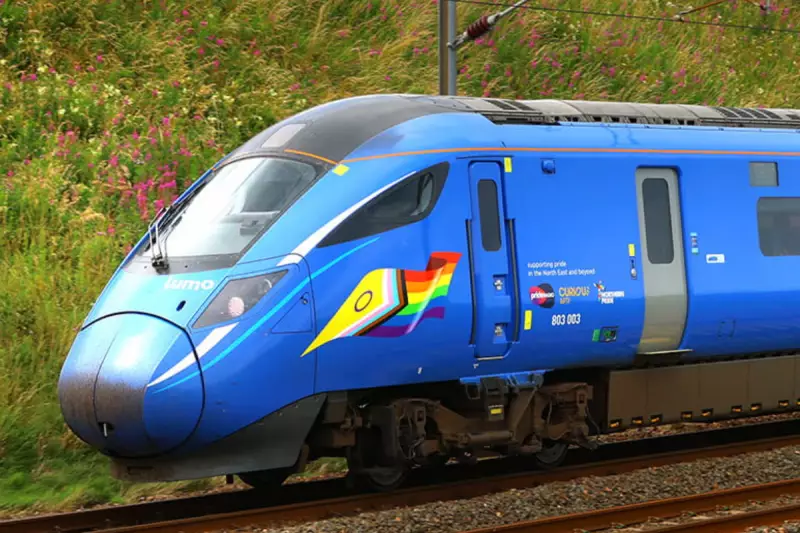
Transport giant FirstGroup is defiantly pressing ahead with a major expansion of its open access rail operations, directly challenging concerns raised by the Department for Transport (DfT). The FTSE 250 firm confirmed its commitment to the model, which allows private operators to run services on nationalised lines without a government subsidy.
Open Access: A Engine for Investment
FirstGroup robustly defended its strategy, highlighting the significant economic benefits of open access. The company stated that while these operators account for less than one per cent of the railway, they have been responsible for over a quarter of all new rolling stock investment in the last five years.
This influx of private capital, FirstGroup argues, creates jobs, supports UK manufacturing, and bolsters local supply chains. The firm already successfully operates open access routes like Hull Trains and Lumo on the East Coast main line.
Regulatory Hurdles and Government Pushback
Despite its ambitions, FirstGroup faces significant opposition. The company has submitted five new applications to the rail regulator, the Office of Rail and Road (ORR). These include proposed services from London to Paignton and Hereford, as well as a new route connecting Cardiff and York.
However, the DfT has expressed serious reservations about further open access expansion following full rail nationalisation. In a June letter to the ORR, the Department warned that an "influx in applications" could have "detrimental performance impacts" across a network where capacity is already severely constrained.
The DfT urged the regulator to assess the "cumulative impact" of these services, arguing they would prevent the development of other revenue-generating services, increase performance risks, and represent a "significant additional cost to taxpayers".
Financial Performance and Setbacks
This expansion drive comes amidst a challenging financial period for FirstGroup. The company recently reported a surge in adjusted net debt to £207.6 million as of the end of September, compared to virtually no debt the previous year.
The Aberdeen-based firm attributed £83.4 million of this increase to investments in decarbonisation, such as new bus fleets, while £76 million was returned to shareholders via dividends and buybacks. Consequently, FirstGroup shares fell 13 per cent to 174p in early trading, though the stock remains up over seven per cent for the year.
The company also faced a setback when the ORR rejected its application for a London to Sheffield service. FirstGroup expressed disappointment, noting the route would have provided Sheffield with its first regular service from King's Cross since 1968 and brought economic benefits to an estimated 350,000 people.
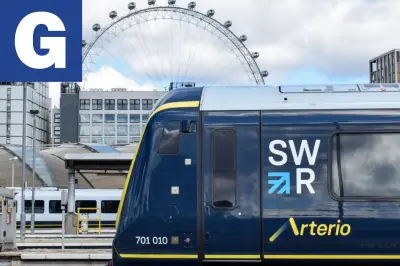
Looking ahead, FirstGroup is scheduled to hand over operation of its Great Western Railway services to the government in October 2027 as part of the nationalisation plans, having already transferred control of South Western Railway in May.