The commuter town of Ashford in Kent has transformed from a bustling international gateway into what locals describe as a 'ghost town' since Eurostar abandoned its station in 2020, with businesses reporting devastating losses and a prominent exodus of major retailers.
The £126 million annual void
According to a Good Growth Foundation report commissioned by Kent County Council, Ashford is losing approximately £126 million in visitor spending every year since Eurostar services ceased during the pandemic and never resumed. The town, located just 35 minutes from London St Pancras via Southeastern trains, previously thrived as a natural stop-off point for travellers to and from Paris, Brussels and Disneyland.
Local taxi driver Hassan Habib, who came to Britain from Iran in 2006, now waits up to ninety minutes for fares where he once transported tourist groups directly to theme parks. "We have less customers, and people are suffering, having to travel all the way to London from Kent," he explains.
Business exodus and high street decline
The impact extends far beyond the station itself. Geoffrey Mathews, owner of Soundcraft Hi-Fi for fifty years, witnesses the dramatic change daily. "We've seen an exodus of businesses like Marks and Spencer, who have gone to food halls out of town, Specsavers, Argos and even Timpsons," he reveals.
Mathews attributes this decline partly to the Ashford Designer Outlet, which now contains restaurants and bars, drawing footfall away from the traditional high street. "There's no reason for anyone to come to the high street anymore," he adds, standing among the speakers and turntables in his family-run shop established in 1947.
The evidence of decline is visible throughout the town centre. The Odeon cinema stands empty years after closure, with the government rejecting listed status applications. Pigeons roost above vacant units at the corner of Park Mall, North Street and High Street.
Resident perspectives: From lively hub to 'bloody useless'
Young couple Isobelle Lane and Charles Procyshyn, who grew up in Ashford, recently visited the town centre and were shocked by the transformation. "It used to be really lively," Lane recalls. "This is such a lovely town, and a lot of it has been taken away."
Procyshyn observes the physical deterioration: "You look around here now and loads of places have closed down. There's quite a lot of derelict buildings, and you need the boost from the people coming in."
More blunt criticism comes from 85-year-old Christine Watson: "It's bloody useless, considering it was built for the purpose. We used to have a lot of French people come over; they don't come now. The town's dead now. All we've got are nail bars and hairdressers."
Retired railway inspector Danny Latter, 77, confirms the broader impact: "One hundred per cent it's affected the whole town. People came to stay here, all the hotels are suffering. [Now the station] doesn't bring anybody in at all."
Glimmers of hope for revival
Despite the bleak assessment, several developments offer potential for recovery. Eurostar has committed to reviewing the future of its Kent stations in 2026, potentially including more services to Frankfurt and Geneva.
Meanwhile, Virgin Trains has overcome a significant barrier by securing access to Eurostar's Temple Mills depot, clearing the way for potential international services through the Channel Tunnel. The company has stated that if Ashford International reopens, Virgin will stop there, working with Kent County Council to explore possibilities.
Councillor Noel Ovenden, Leader of Ashford Council, emphasises that "Ashford International stands ready for the return of trade, jobs and tourism" after twenty-five years of significant investment.
Kent County Council highlights the enormous potential, with forecasts suggesting restoring Eurostar services could attract 493,000 new visitors, generate £315 million in spending and contribute £2.67 billion to the UK economy over five years.
Ashford Council has already initiated revitalisation efforts, including taking over the local independent cinema, expanding markets, installing new play equipment and providing grants for new businesses in empty shops. A mixed-use development proposal for the former cinema site and Vicarage Lane car park promises new cultural facilities, dining venues and approximately 230 homes.
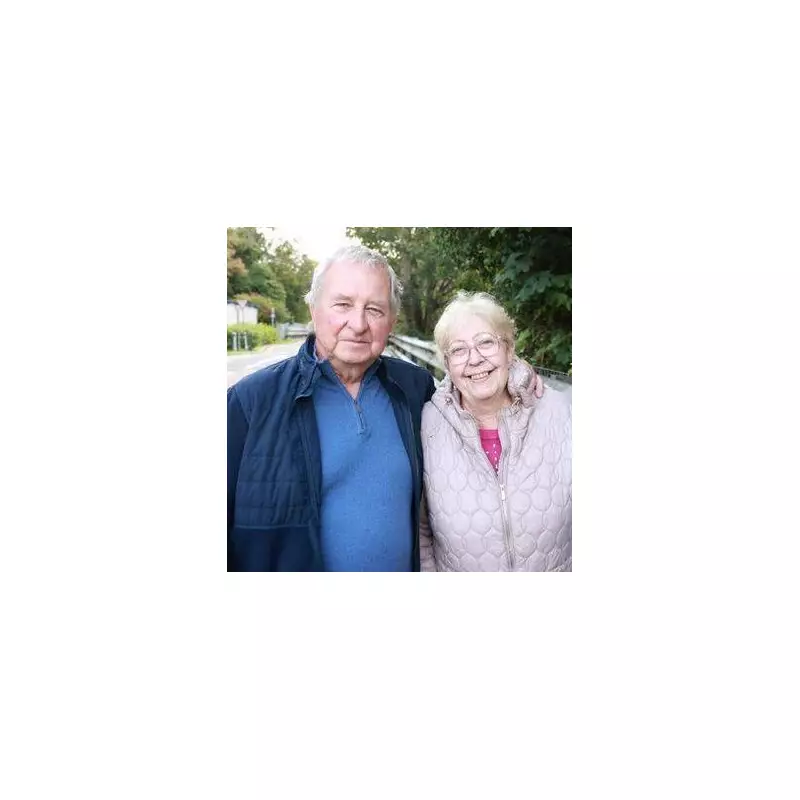
As retired Merchant Navy sailor Brian Finnis, 78, pulling suitcases from the station with his wife Theresa, summarises: "They put all this investment into platforms and everything and it's killed it. I think they should start it all up again. It's crazy, really." The sentiment echoes throughout a community waiting for international trains to restore their town's international connections and economic vitality.