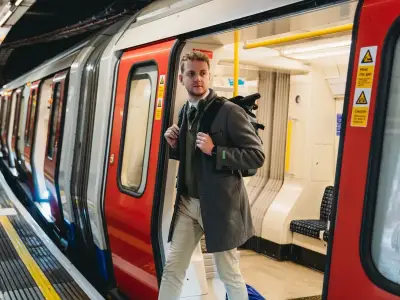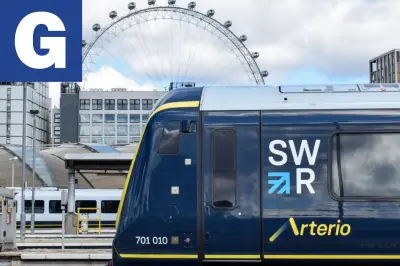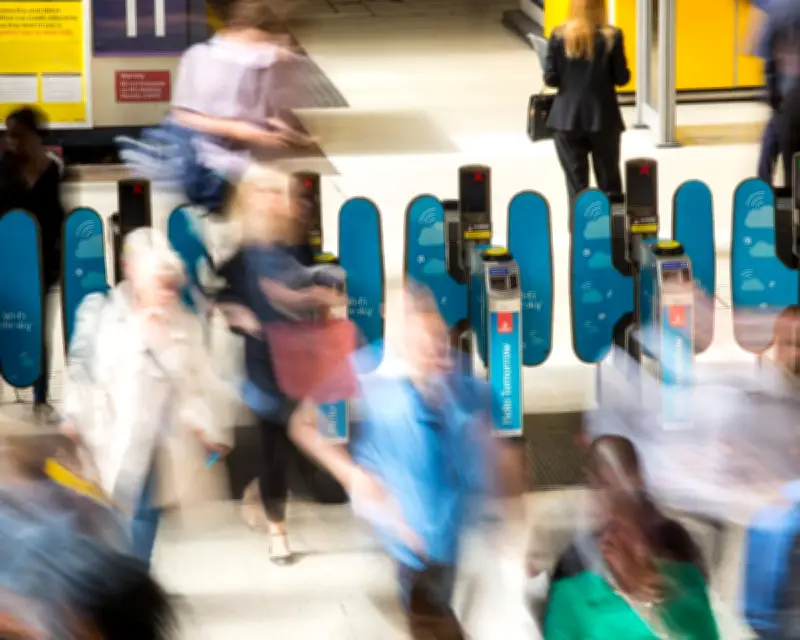
Train operators are fighting back against a wave of digital ticket fraud, including the practice known as 'short-faring', where passengers buy a last-minute ticket for the final leg of their journey to exit barriers, regardless of how far they have actually traveled. South Western Railway (SWR) and GTR, which operates Thameslink and Southern services, have introduced new measures to tackle this and other scams, with support from the Department for Transport (DfT).
What is short-faring and why is it a problem?
Short-faring involves purchasing a digital ticket for a short, cheap section of a journey just before reaching the destination, allowing passengers to pass through ticket gates. This trick has become more prevalent as digital ticketing has replaced paper tickets, creating new loopholes for fare dodgers. On some short routes, up to 95% of tickets were found to be used fraudulently, prompting operators to require physical ticket collection for certain journeys, such as from Vauxhall to Waterloo and Norwood Junction to London Bridge.
The scale of the problem is significant: the DfT estimates that up to £400 million is lost to fraud annually on the rail network. Other digital scams include 'quick scanning' (buying a ticket on a phone just before an inspector arrives), 'tailgating' (squeezing through gates behind a paying passenger), and 'donutting' (buying two cheap tickets for the start and end of a journey, avoiding the full fare).
Consequences and government action
Fare evasion has serious consequences. In one case, a former HSBC executive, Joseph Molloy, received a suspended sentence for using the donutting technique 740 times, saving £5,911 over 11 months. The government is taking action by expanding a digital ticketing app that tracks passengers' phones to calculate fares, currently trialed in East Midlands and Yorkshire, with potential rollout across Great British Railways. Transport Secretary Heidi Alexander stated: "Fare evasion is illegal and selfish – it actively makes journeys worse for all rail passengers by diverting money that could otherwise be used to improve services."
The DfT has also provided £33 million for new or enhanced ticket gates at "fare dodger hotspots" and closed a loophole allowing dishonest refund claims. Railway commentator Christian Wolmar noted the difficulty of tackling the issue: "The system is clearly open to abuse... It's through digital analysis that they are going to find a solution to this."
Passenger reactions
Passengers have expressed support for the crackdown. Deanna Smith, traveling to Brighton, said: "It's just like tax dodging – we all fall victim to their behavior." Nicola Garrett added: "I'm someone who has always paid for everything, so I get a bit pissed off [by fare dodging]. Nobody seems to think that they have to pay for anything these days."