It was a scenario familiar to many who have dared to catch the last train home after a night out. For one young woman in the year 2000, what should have been a straightforward journey from London to Derby spiralled into a desperate and unforgettable ordeal, all because of a simple, yet critical, failure: not a single working toilet on the entire train.
The Fateful Last Train Home
After a weekend visiting her student boyfriend in the capital, the sixth-form student, fuelled by a few cheap pints of the era, was racing to make the final service from St Pancras. She sprinted through the station and boarded with mere seconds to spare, relying on the train's facilities to answer a now-pressing call of nature. Her plan unravelled immediately.
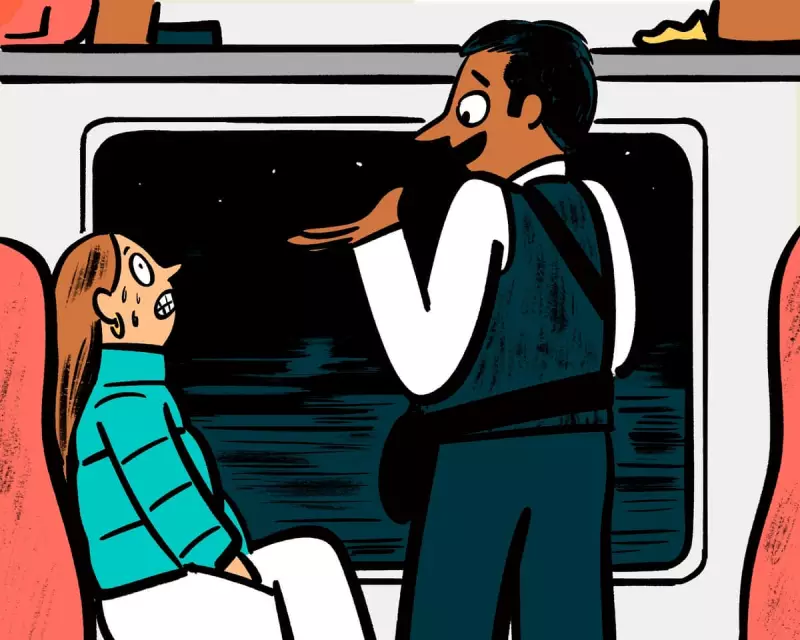
The toilet in her carriage was out of order. So was the next one. A ticket inspector delivered the crushing news: every toilet on the train was unusable. Stuck on the slow service to Derby, with stations like Luton, Bedford, and Wellingborough crawling past, her situation grew increasingly urgent. "I gritted my teeth and started to sweat," she recalls.
A Desperate Decision at Market Harborough
By the time the train reached Market Harborough, around ninety minutes into a journey that should have been nearing its end on a faster service, she faced a stark choice. It was either relieve herself on the spot or get off the train. She chose the latter, disembarking into a deserted station in the early hours.
With the station toilets locked, she was forced into a desperate, undignified solution in a siding. The immediate relief was immense, but it was swiftly replaced by new problems. She was stranded, with almost no money and a mobile phone that was either out of credit or dead. This was long before the era of Uber or instant mapping apps.
The Wider Issue of Train Toilets in the UK
Her resourceful friend Portia (now a headteacher) talked her through directions to a nearby Travelodge, which cleaned out her remaining cash for a night's shelter. While she admits her pre-boarding drinking contributed to the crisis, her story highlights a persistent flaw in the UK's rail network.
There is still no legal requirement for UK trains to have working, or indeed any, toilets. An Early Day Motion was tabled on the subject in 2007, yet today, services like Merseyrail, the Elizabeth line in London, and new tram-trains in south Wales operate without them. Some Southeastern trains are only now being retrofitted with facilities.
For many people with disabilities or medical conditions, the lack of a guaranteed, accessible toilet is a significant barrier to train travel. This personal tale of a chaotic night out underscores a serious accessibility and customer service failing.
The stranded passenger eventually got home the next day, her parents' reaction lost to memory. The lasting lesson, however, was cemented: she never boards a train without using the station toilet first. A simple precaution born from a night of very complicated problems.