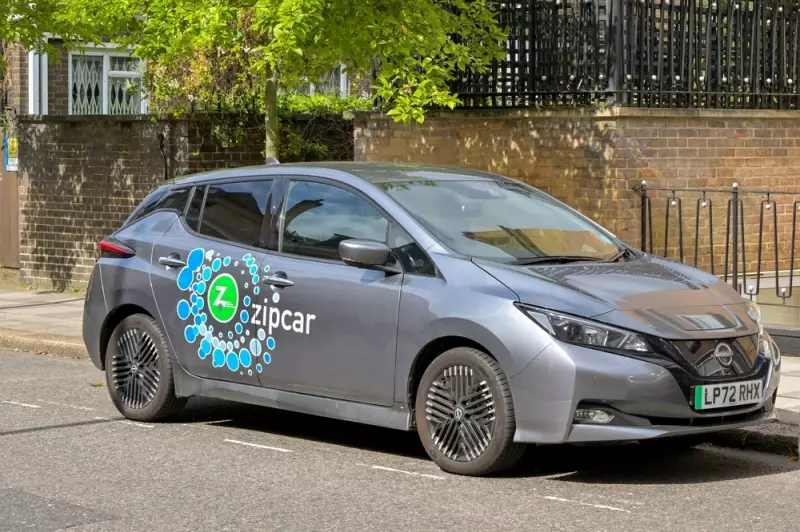
In a significant blow to sustainable transport options in the capital, the car-sharing service Zipcar has confirmed it will cease all operations in London and across the UK by the end of December 2025.
The Final Journey: Why Zipcar is Pulling Out
The company, owned by the American car rental giant Avis Budget Group, announced the proposal to its UK members on 1 December 2025. This move marks a complete withdrawal, with all vehicles set to be removed from London streets. The service, which allowed users to rent vehicles by the hour via a phone app with costs covering fuel, insurance, and breakdown cover, will suspend new bookings beyond 31 December 2025.
A confluence of financial pressures has led to this decision. Zipcar has been grappling with decreased travel demand, intense competition from rivals like Uber, and the broader cost-of-living crisis. However, a pivotal factor appears to be the upcoming change to London's Congestion Charge. From 2 January 2026, electric vehicles will lose their exemption and be required to pay the £13.50 daily charge, a policy confirmed by Mayor Sadiq Khan in November.
Structural Hurdles and Political Context
Beyond immediate costs, Zipcar faced systemic challenges in scaling its London operation. Unlike some cities, London lacks a centralised, city-wide contract framework for car clubs. Instead, agreements must be negotiated individually with each borough, creating a complex and fragmented landscape that makes financial planning and sustainability difficult.
In response to the closure, a spokesperson for Mayor Sadiq Khan reiterated the strategy's support for car clubs to reduce private ownership. They highlighted a new discount: electric car clubs with a dedicated parking bay in the Congestion Charge Zone will receive a 100% discount on the charge from January 2026. This measure, however, comes too late for Zipcar's existing model.
What Happens Next for Londoners?
For the many London households without a car—less than half own one—Zipcar provided a flexible and often affordable alternative. Its departure leaves a gap in the market, forcing regular users to turn to traditional rental firms, ride-hailing apps, or other car-club services that remain.
In its official statement, Avis Budget Group framed the UK closure as part of a broader transformation of its international business, aimed at streamlining operations and improving returns. The company has begun a formal consultation with its UK employees. All other global markets for Zipcar remain unaffected and fully operational.
The exit of a major player like Zipcar raises questions about the viability of shared mobility services in the face of rising urban charges and complex regulatory environments. For now, London's journey with one of its pioneering car-sharing schemes is coming to an abrupt halt.