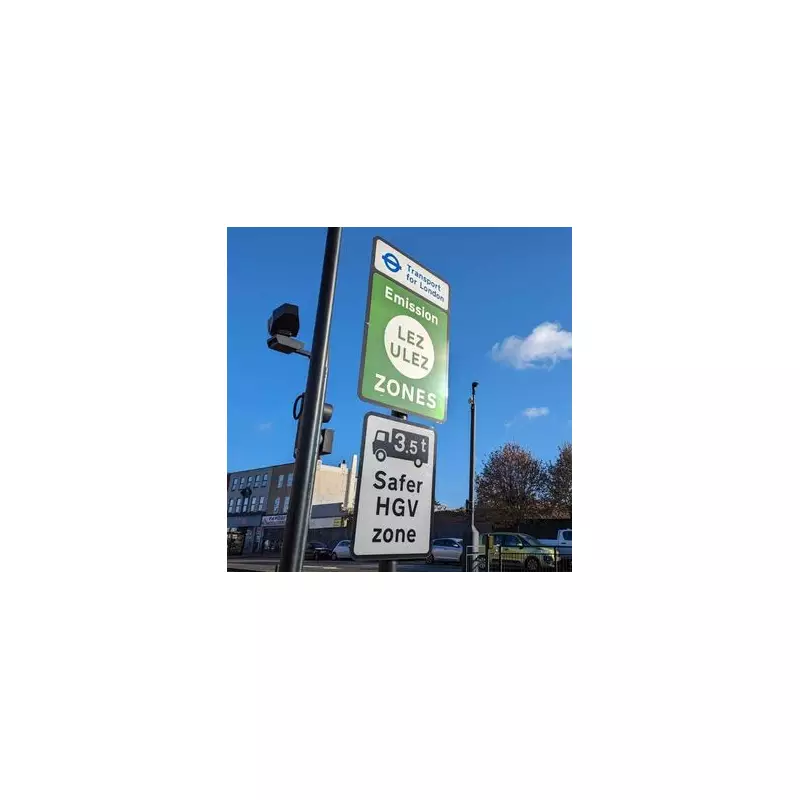
Transport for London (TfL) has issued a colossal number of fines to drivers under the Ultra Low Emission Zone (ULEZ) scheme in 2025, according to newly released data.
Millions in Penalties Issued This Year
Figures obtained through a Freedom of Information request and published on Monday, December 1, reveal that TfL has issued 1,487,880 ULEZ Penalty Charge Notices (PCNs) so far in 2025. A PCN is issued when a driver uses a non-compliant vehicle within the zone without paying the required £12.50 daily charge by midnight on the third day following the journey.
Petrol cars must generally meet Euro 4 standards (typically registered after 2006), while diesel cars must meet Euro 6 standards (most registered after 2015). The standard fine is £180, reduced to £90 if paid within 14 days. Based on the full penalty amount, the total value of fines demanded from motorists this year stands at a staggering £267,818,400.
A Steep Drop from Peak Enforcement
However, this year's figures represent a significant decrease compared to the peak of ULEZ enforcement. In 2024, TfL issued an eye-watering 2,111,130 fines, which translated to demands totalling £380,003,400.
The data shows a fluctuating pattern over recent years:
- 2023: 1,612,664 PCNs issued (£290,279,520).
- 2022: 2,001,019 PCNs issued (£360,183,420).
This indicates that 2025's figures, while enormous, are part of a downward trend from the highs seen after the zone's major expansion.
The Evolution of London's ULEZ
TfL stated that the ULEZ scheme was first launched in April 2019, initially covering the same central area as the Congestion Charge. It was temporarily suspended between March 23 and May 17, 2020, due to the COVID-19 pandemic.
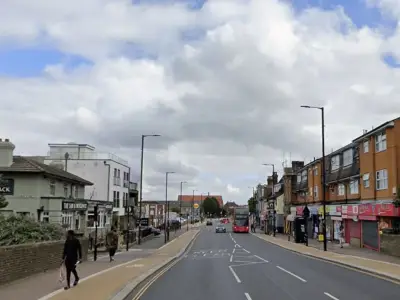
The zone was then expanded in October 2021 to cover the area inside the North and South Circular roads. Its most controversial expansion occurred on August 29, 2023, when it was enlarged to cover all London boroughs, dramatically increasing the number of drivers potentially liable for the charge or a fine.
The sustained high volume of PCNs, even after the initial expansion surge, underscores the ongoing financial impact of the policy on London motorists and the significant revenue stream it provides for the capital's transport authority.