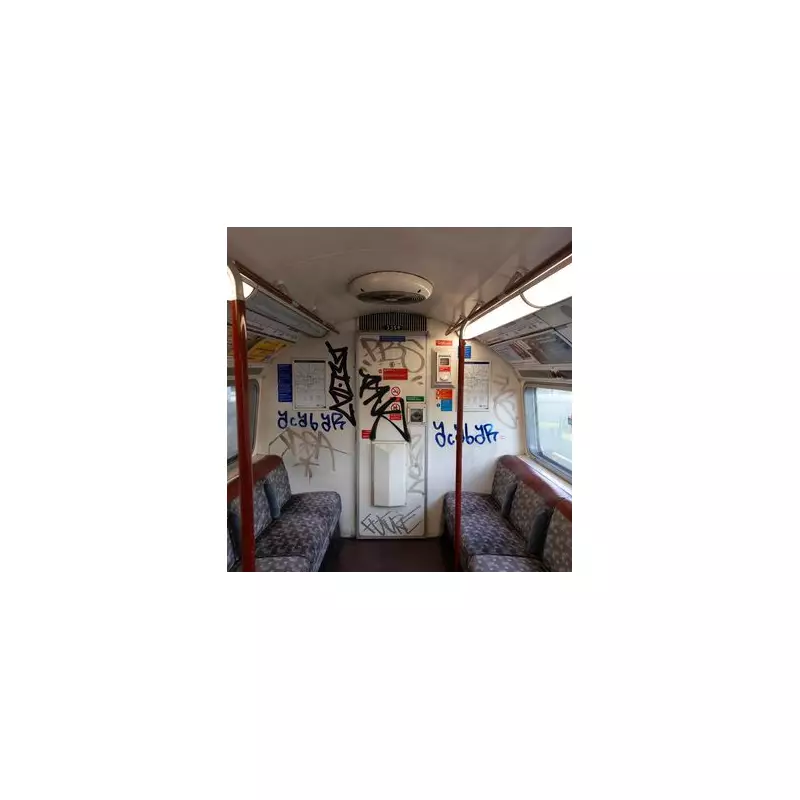
Transport for London (TfL) is allocating a staggering £11 million every year to combat a severe surge in graffiti vandalism across the Tube network, with the Central and Bakerloo lines identified as the worst affected.
A Multi-Million Pound Clean-Up Operation
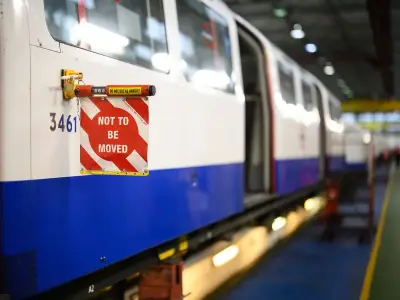
TfL Commissioner Andy Lord revealed the eye-watering cost during a session with the London Assembly's Budget and Performance Committee. He detailed that the organisation is spending between £10 million and £11 million on a combined strategy of proactive investigation, prevention, and the physical cleaning of defaced carriages.
"We've seen quite a spike this year," Mr Lord stated. He confirmed that the Bakerloo and Central line fleets have been the most heavily targeted by so-called 'taggers'. The financial outlay covers close work with the British Transport Police and TfL's own investigation teams to identify perpetrators and secure hotspots where vandals gain access to trains.
'Like a Scene from Batman in Gotham City'
The scale of the problem has drawn sharp criticism from politicians and the public alike. Conservative MP for Epping Forest, Dr Neil Hudson, told the Local Democracy Reporting Service that his constituents see no evidence of the multi-million pound fightback.
"The graffiti on the Central Line trains, both inside and out, is getting worse day by day," Dr Hudson said. "It feels like you are travelling in a scene from Batman in Gotham City." He called for stronger deterrence measures, including signage, CCTV, and staff presence on trains.
The issue first gained significant attention in June, when reports indicated cleaners were removing more than 3,000 tags every week from just two lines. A recent Freedom of Information response confirmed staff are removing, on average, one tag every three minutes.
Public Clean-Ups Discouraged by TfL
While the 'Looking for Growth' political movement made headlines in June by organising a guerrilla cleaning session on the Tube, TfL and the Mayor's office have actively discouraged such actions. Commissioner Lord warned that public clean-ups could hinder prosecutions.
"What TfL does... is photograph the tags to ensure there's prosecutions," he explained. "By encouraging people to clean up graffiti, it leads to fewer prosecutions because the evidence has literally been washed away." He also cautioned that well-meaning individuals could put themselves at risk or cause inadvertent damage.
Mr Lord emphasised that TfL's focus remains on prevention and targeting "serial graffiti artists" through investigation. Most cleaning is conducted when trains are out of service, though some internal cleaning occurs during operation.
The graffiti costs were discussed alongside other financial pressures, including up to £25 million in lost revenue from industrial action in early September. Despite these challenges, TfL officials noted the organisation has achieved an operating surplus for the third consecutive year.
The news follows last week's confirmation that Tube and rail fares will rise by an average of 5.8 per cent, while bus and tram fares will be frozen.