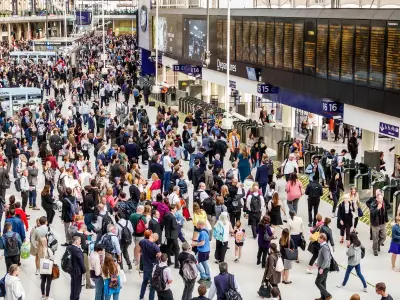
Transport for London (TfL) has been instructed to develop a comprehensive, data-driven strategy to combat violence against women and girls (VAWG) across the capital's public transport network. Campaigners and experts are calling for an approach modelled on the Mayor's successful Vision Zero road safety plan, which aims to eliminate all deaths and serious injuries.
Sharp Rise in Reported Offences Sparks Concern
Data presented to the London Assembly reveals a worrying increase in sexual offences on key parts of the transport system. On the Elizabeth line, reports surged by 247.8% in 2023/24, followed by a further 17.5% rise in 2024/25. The London Underground saw incidents climb from 745 in 2022/23 to 856 in 2024/25, while the bus network experienced a 28.6% increase in 2024/25 alone.
Speaking to the Assembly's Police and Crime Committee on Wednesday 3 December, transport consultant Susan Leadbetter criticised the current lack of a unified plan. "I would love to see something like Vision Zero for violence against women and girls and setting KPIs so we actually have something to measure against," she stated, highlighting the need for a cohesive systems approach encompassing culture, design, and policy.
Data Gaps and Reporting Failures Undermine Confidence
Panellists identified significant obstacles in tackling the issue, including fragmented data and low reporting rates. Tricia Hayes, Chair of London TravelWatch, noted that TfL lacks a "single, definitive integrated set of data" on VAWG, making it hard to track progress consistently across operators. A further complication is that the British Transport Police does not operate on buses, creating a major data gap.
Critically, poor handling of reports has eroded trust. Ms Leadbetter's research found that women and girls "didn't trust the process" and found it ineffective. This is supported by wider studies; City Hall research shows 84% of hate crimes against LGBTQ+ passengers go unreported, while a University of Manchester analysis suggests only around 17% of sexual offences on transport nationally are formally reported.
The Business Case for a Safer Network
Officials warned that failing to address safety concerns will deter women and girls from using public transport, threatening TfL's passenger targets. "There is a powerful business case for tackling VAWG on the TfL network," Ms Hayes argued, urging action on behaviour change, clearer reporting routes, and improving the physical environment.
In response, TfL has pointed to its ongoing zero-tolerance campaign launched in October 2021 with police and safety groups. The authority suggests the rise in recorded offences is partly due to increased confidence in reporting, indicating that previous underreporting is being addressed. They maintain that tackling sexual harassment and improving customer confidence remains a top priority in line with the Mayor's VAWG strategy.