Transport for London (TfL) is planning significant changes to a dangerous and congested South London road where buses frequently crawl in traffic and drivers speed at night.
Safety Concerns Prompt Action
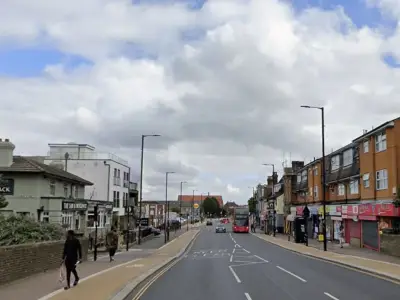
The transport authority is focusing on the A232 corridor between Sandilands in Croydon and West Wickham in Bromley, where serious safety issues have been identified. Official data reveals that 63 collisions occurred along this stretch in the 36 months to 31 December 2024, with nine of these crashes resulting in serious injuries.
TfL has announced it will host an evening workshop in January where 24 local residents can share their experiences and suggestions for improving the road. Each participant will receive a £150 voucher for their contribution to the community discussion.
Balancing Transport Needs
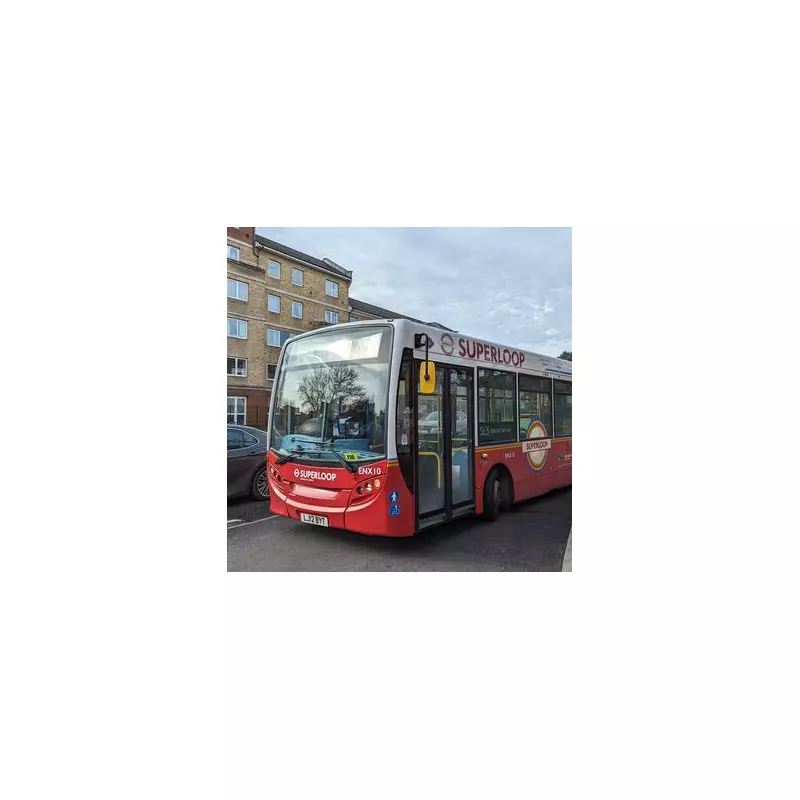
The A232 serves as a vital transport link between Croydon and Bromley, carrying 11 different bus routes including the Superloop SL5 service. However, TfL acknowledges that slow journey times have made these services less attractive to potential users.
Addiscombe West Labour councillor Sean Fitzsimons has welcomed the consultation, stating that the road's width provides plenty of space for improvements without necessarily reducing car capacity. As a regular cyclist, he described the current conditions as unsafe, particularly after dark when speeding becomes more common.
"The presence of speed cameras shows that speeding is an issue that needs addressing," Fitzsimons told the Local Democracy Reporting Service. He suggested that redesigning the road could create potential for a separated cycle lane and better environment for pedestrians and bus users.
Political Divisions Emerge
While local Labour representatives support the initiative, Conservative voices have expressed scepticism. Councillor Nicholas Bennett, Bromley's Executive Councillor for Transport, Highways and Road Safety, criticised TfL's approach, warning that it could lead to 24-hour bus lanes and 20mph limits that would slow traffic to a crawl.
"Bromley Council recognises that the private car is essential for many residents and that free-flowing roads are vital to the lifeblood of the economy," Bennett stated, contrasting his council's approach of targeting specific accident blackspots with TfL's broader strategy.
The project forms part of TfL's wider ambition to have 80 per cent of London journeys made by walking, cycling or public transport by 2041, while working toward zero road deaths and serious injuries.
TfL is particularly keen to hear from women, young people and ethnic minority communities to ensure diverse perspectives shape the plans. Local residents can express interest in participating through TfL's website, with selected participants receiving information packs before the workshop.