Transport for London (TfL) has unveiled ambitious plans to establish a publicly owned bus company that would operate alongside private firms in the capital, marking a significant shift in the city's transport landscape. This initiative, detailed in TfL's draft business plan for the remainder of the decade, aims to foster greater innovation, efficiency, and accountability while better serving customers and the workforce.
A Return to Public Ownership After Three Decades
If approved, this would represent the first major publicly owned bus company in London for thirty years, challenging the current franchise model that has been in place since 1995. Under the existing system, private companies bid for contracts to run services on a seven-year basis, with TfL retaining control over routes and fares—a unique arrangement compared to the deregulated networks seen elsewhere in the UK.
Pressure on Private Operators
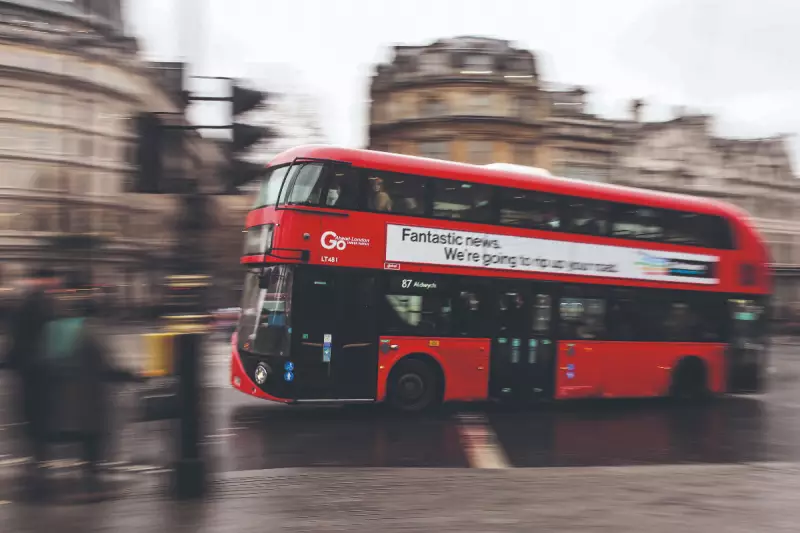
The capital's bus network currently relies on 16 privately-owned operators, including Arriva, Go-Ahead London, First Bus London, and Stage Coach London, managing 675 routes. However, these companies have faced mounting challenges in recent years. Slower travel speeds have deterred passengers, while rising costs due to inflation and national insurance increases have squeezed profitability.
Last week, Go-Ahead Group announced its withdrawal from several routes, citing financial unsustainability driven by tax hikes. Andrew Edwards, managing director of Go-Ahead London, stated in a letter reported by The Times that these under-performing routes could not be maintained at a loss without jeopardising the wider business.
Mayor Khan's Vision for Public Transport
London Mayor Sadiq Khan, re-elected in 2024, had previously pledged to bring bus routes back into public ownership as contracts expire, evaluating each route on a case-by-case basis. In August 2024, he highlighted the potential benefits, suggesting that profits could be reinvested into public transport rather than distributed to shareholders, and that a public operator could serve as a valuable benchmark for bids.
Until the passage of the Bus Services Act in October last year, legal barriers prevented local authorities from establishing new public bus companies, making this proposal a landmark development.
Broader Transport Investments in the Draft Plan
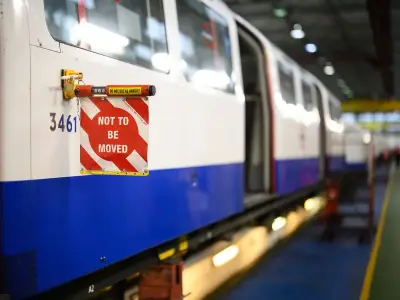
TfL's draft business plan also outlines a comprehensive range of investments across London's transport infrastructure. Key projects include extending the DLR to Beckton Riverside and Thamesmead, with new funding announced in the Budget; expanding Superloop bus services; and investing in new fleets for the Bakerloo and Central lines.
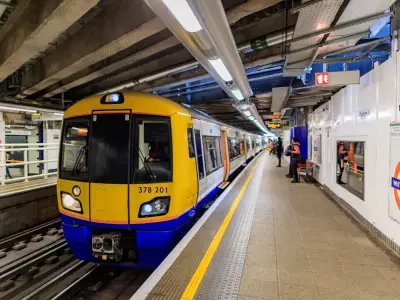
Additionally, TfL aims to develop the West London Orbital, a new London Overground route between Hounslow and Hendon utilising under-used freight lines. Mayor Khan emphasised that such investments not only support jobs and economic growth in London but also benefit the entire UK, advocating for longer-term projects to transform the capital's transport future.
The draft plan is set to be reviewed by the TfL Board on 4 February, with stakeholders eagerly awaiting further details on how this publicly owned bus company could reshape London's public transport system.