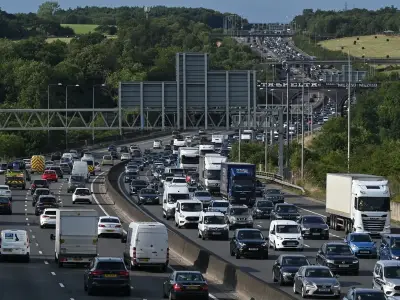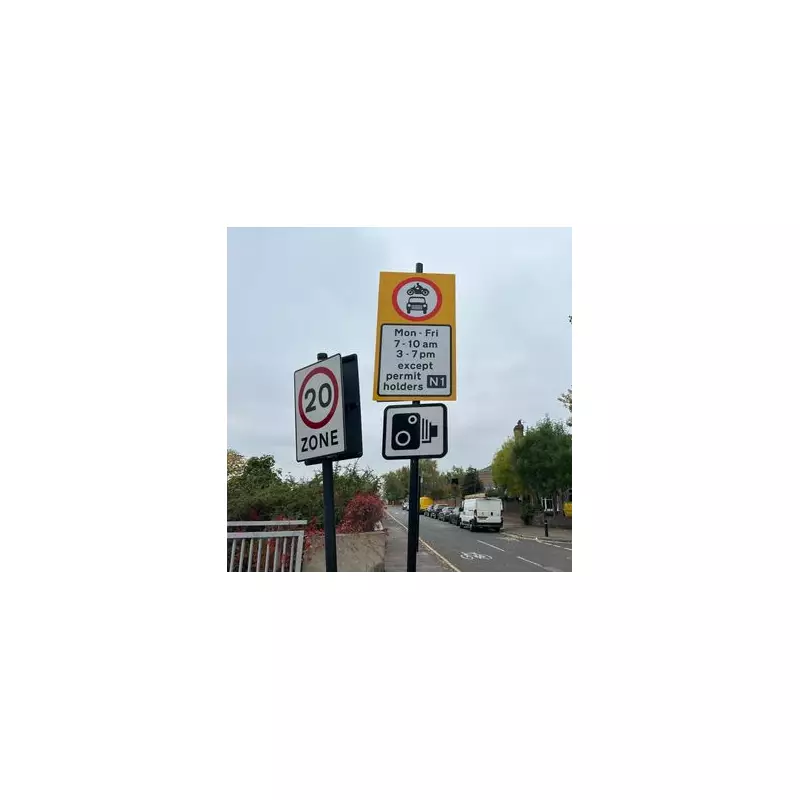
Transport for London officials have made a significant admission regarding the impact of recent transport initiatives on the capital's roads. The implementation of additional bus lanes and approximately one hundred Low Traffic Neighbourhoods across London has, in some locations, resulted in increased congestion for private car users.
Balancing Transport Priorities in a Growing City
This acknowledgement comes as part of a broader strategic shift away from accommodating private vehicle use. The transport body is working toward an ambitious target of ensuring that eighty percent of all journeys within London by 2041 are made by walking, cycling, or public transport. This policy direction aligns with City Hall's drive to achieve net zero emissions by 2030, which requires a substantial twenty-seven percent reduction in car kilometres travelled.
Official Testimony Reveals Complex Outcomes
During a session with the London Assembly Transport Committee, TfL directors provided candid insights into the mixed results of these schemes. Carl Eddleston, Director of Streets and Network Operations, noted that while most of the approximately one hundred LTNs installed primarily during the Covid period have been "huge successes," some have inadvertently added congestion to their local areas.
"We do need to continue to actively review them," Mr Eddleston stated, emphasising ongoing community engagement and adjustments to the schemes. He also revealed that certain cycleway installations have negatively impacted bus speeds, necessitating compensatory measures like additional bus priority lanes elsewhere.
The Long-Term Vision for London's Roads
Despite these short-term challenges, TfL officials maintain that the overall strategy will ultimately reduce congestion. Christina Calderato, Director of Transport Strategy and Policy, explained the delicate balance being struck. She acknowledged that approximately one in every five trips in London will still require a car, van, or lorry, and ensuring these journeys remain efficient is crucial.
"Everything we're doing in shifting people towards more sustainable modes is aimed at traffic reduction," Ms Calderato told Assembly Members. She highlighted the necessity of reallocating road space in a growing city, particularly toward more space-efficient modes like buses, even if this reduces space for general traffic in specific locations.
Addressing Current Performance Concerns
The admissions arrive against a backdrop of concerning performance metrics. London has recently been identified as one of the world's slowest driving capitals, with average bus speeds experiencing a notable decline over the past year. These figures have prompted questions about the immediate effectiveness of the current transport measures.
Officials counter that increased use of buses, trains, and cycle lanes represents a far more efficient use of limited road space than private cars. They argue this approach will, in the long term, lead to less congestion and faster journeys for those who genuinely need to use a private vehicle for business or accessibility reasons.
Strategic Reallocation for Maximum Efficiency
Ms Calderato elaborated on the concept of "switchable trips" – journeys that could be taken either by car or public transport. TfL's role, she suggested, is to continuously reallocate road space and enhance services like the Superloop bus network to make public transport the more attractive option for these trips.
"If it means we can accommodate greater people moving through the area, we're for more people having a smoother, more reliable journey," she concluded, reinforcing the overarching goal of moving more people efficiently through London's constrained road network, even if individual vehicle speeds are temporarily affected in some areas.