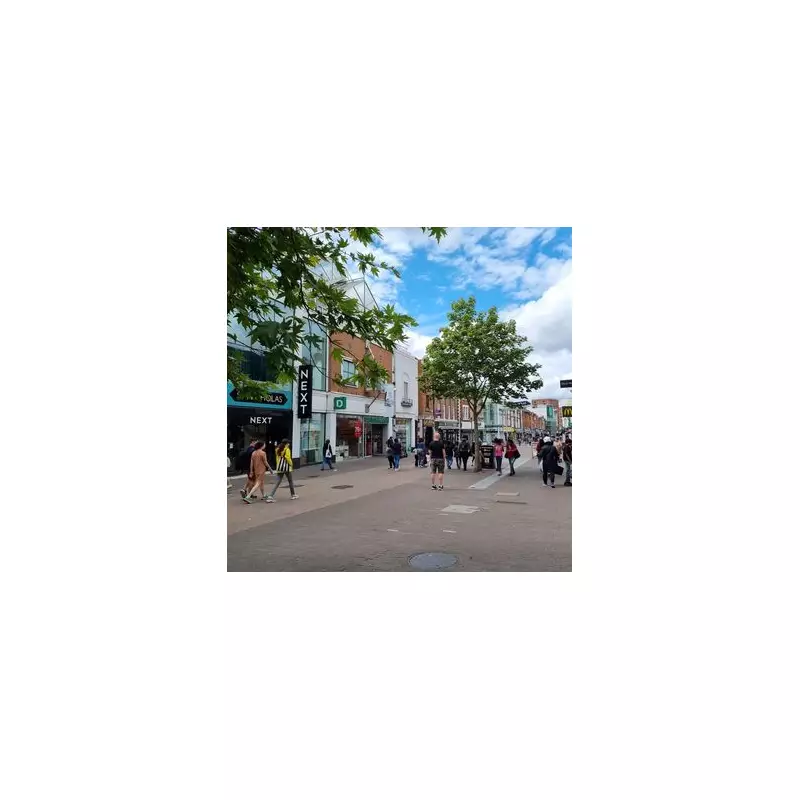
The leader of Sutton Council has launched a passionate plea for transport improvements, arguing that residents in the South London borough are receiving "less bang for their buck" from Transport for London compared to other parts of the capital.
London's Transport Poor Relation
Councillor Barry Lewis, who leads the Liberal Democrat-run council, has outlined an ambitious vision to transform what he describes as decades of underinvestment in Sutton's transport infrastructure. The borough currently suffers from the poorest TfL coverage in London, with no Underground or Overground stations, just one Tram stop and fewer than 25 bus routes serving the area.
Lewis told local reporters that Sutton has been "left behind" for decades while major transport investment has flowed to other boroughs. Despite Sutton residents paying the same transport precept as people elsewhere in London, they receive the lowest capital investment per person in the city.
Three-Pronged Attack on Transport Inequality
The council leader has identified three key areas where investment is desperately needed to bring Sutton up to par with the rest of London.
Bus network enhancements form the immediate priority, with Lewis calling for more routes, greater variety and increased frequency. "Sutton only has 25 bus routes, which is fewer than Kingston," he noted, highlighting that many current services are infrequent and take unnecessarily long routes.
While TfL has increased Sutton's bus services by approximately 10% in recent years - including adding double-deckers on Route 80 and launching the seven-day S2 service - the council believes much more needs to be done to connect residents to faster transport hubs.
Rail Revolution Needed
On rail improvements, Lewis emphasised the critical importance of the long-awaited Crossrail 2 project, describing it as essential for providing a north-south route from Surrey through London to Hertfordshire. Although the project remains in planning stages with construction expected to begin next year, it would particularly benefit residents in west Sutton.
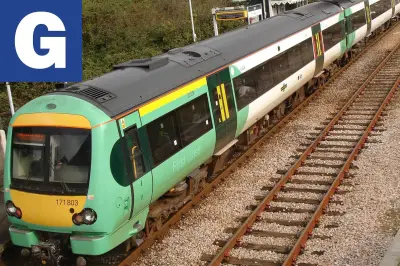
Lewis also supports full integration of Sutton's suburban rail lines into TfL services and improvements to existing Southern and Thameslink operations. "It's crazy that London's transport infrastructure is so fragmented," he argued, calling for faster, more reliable trains that better link Sutton to the rest of London.
The council leader wants to see Sutton connected to the Overground network via the Windrush line, which currently terminates at West Croydon. This would provide a turn-up-and-go service where passengers wouldn't face 30-minute waits if they miss a train.
Tram Extension Hopes Dashed
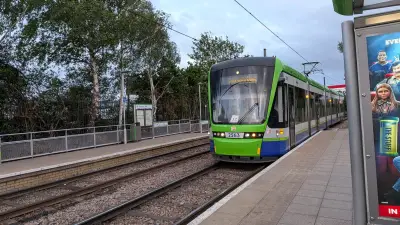
Perhaps most disappointingly for residents, hopes for a Tramlink extension to Sutton appear to have been dashed for the foreseeable future. Despite long-standing memories of promised connections, the borough was almost completely left out of the network apart from two stops in Beddington.
When questioned about reviving the Sutton Tram extension, Lewis responded that this was "more of a question for the Mayor and TfL," noting that the tram only touches the northern part of the borough without providing meaningful service for most residents. TfL has confirmed it has no plans to revisit the Tramlink extension within the current budget.
Innovation and Political Pressure
The council is exploring innovative solutions, including an autonomous vehicle link between Sutton town centre and the London Cancer Hub, which could serve as a pilot for new local transport options. The Cancer Hub, expected to create around 3,000 jobs, is ideally located near the main station for such trials.
Lewis hasn't shied away from political confrontation, recently stating that "successive London Mayors have shown they don't care about outer London." When asked what should happen if Sadiq Khan or TfL fail to commit to new investment, he replied bluntly: "Elect a Lib Dem Mayor."
The council leader has met with both TfL Commissioner Andy Lord and Transport Minister Lord Peter Hendy to outline the borough's transport priorities for coming decades. However, he acknowledges that many transport decisions are made at levels beyond borough control.
With Sutton's economic growth potentially hampered by its transport limitations, the battle for better connections looks set to continue as the council fights for what it considers fair treatment for its residents.