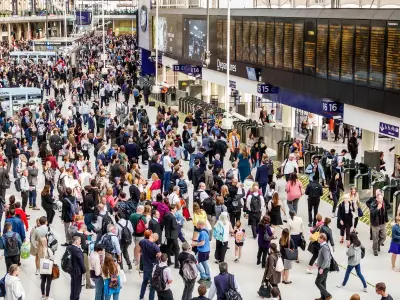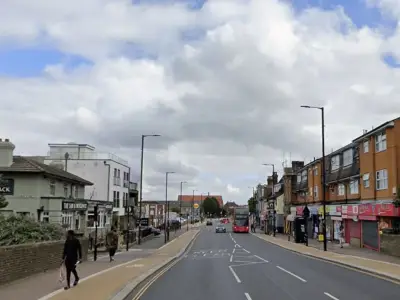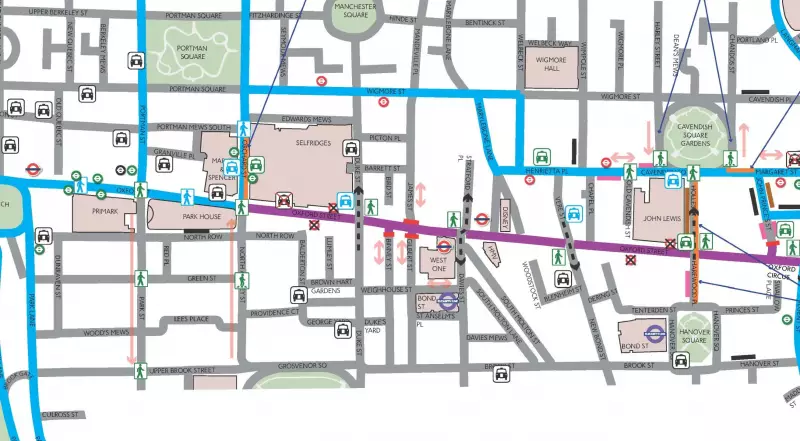
London's iconic Oxford Street is moving decisively towards becoming a permanently pedestrianised zone, with newly published maps revealing how the transformation will reshape traffic flow across the West End.
The Path to a Pedestrianised Oxford Street
Mayor Sadiq Khan's long-held ambition to pedestrianise the world-famous shopping destination, first championed in 2017, is gaining significant momentum. Transport for London (TfL) has now launched a fresh public consultation, seeking feedback on detailed plans that outline the necessary changes to traffic routes.
An initial consultation found that one in ten Londoners supported making Oxford Street traffic-free. The vision was given a trial run during a one-day event in September, offering a glimpse of a vehicle-free future for both locals and tourists.
What the Car-Free Plan Entails
The full pedestrianisation proposal would see a comprehensive ban on buses, taxis, and private hire vehicles along the entire stretch of Oxford Street. While cycling would also be prohibited on the street itself, TfL has committed to creating new, high-quality cycle routes through the surrounding areas to accommodate active travel.
It is worth noting that cars are already banned from Oxford Street between 7am and 7pm, Monday to Saturday. The new plan represents the final step in fully reclaiming the space for people.
Impact on Buses and Local Streets
A significant aspect of the plan involves rerouting the 16 bus services that currently travel along Oxford Street. According to the newly released maps, all affected buses would be diverted via Wigmore Street and Henrietta Place.
TfL has sought to reassure passengers, stating that the impact on journey times is expected to be minimal, with differences estimated at less than a minute.
The bus routes facing adjustment are:
- 7, 94, 98, 139, 390
- N7, N98, N113, N137, N207
Additionally, buses that use only sections of the street will see slight alterations. These include the 22 and N22 from Putney Common, the 73 and N73 from Stoke Newington, and the N15 from Romford Market.
However, the proposal has raised concerns among some residents who fear that diverting this volume of traffic could lead to increased noise and congestion on neighbouring streets.
Next Steps and How to Have Your Say
If the plans are approved following the consultation, TfL anticipates that physical work on the scheme could begin in the second half of 2026. The transformation would be implemented in phases, starting with the rerouting of bus services before focusing on enhancements to the pedestrian environment.
Mayor Sadiq Khan encouraged public participation, stating: "These new proposals map out the potential next steps with Transport for London to make our vision of a thriving, greener Oxford Street a reality. I encourage everyone to have their say on the proposals, which would transform Oxford Street into a place Londoners and the whole country can be proud of."
The public consultation is now open and will close on January 16. Londoners and stakeholders are urged to review the maps and share their feedback to help shape the future of one of the world's most famous shopping streets.