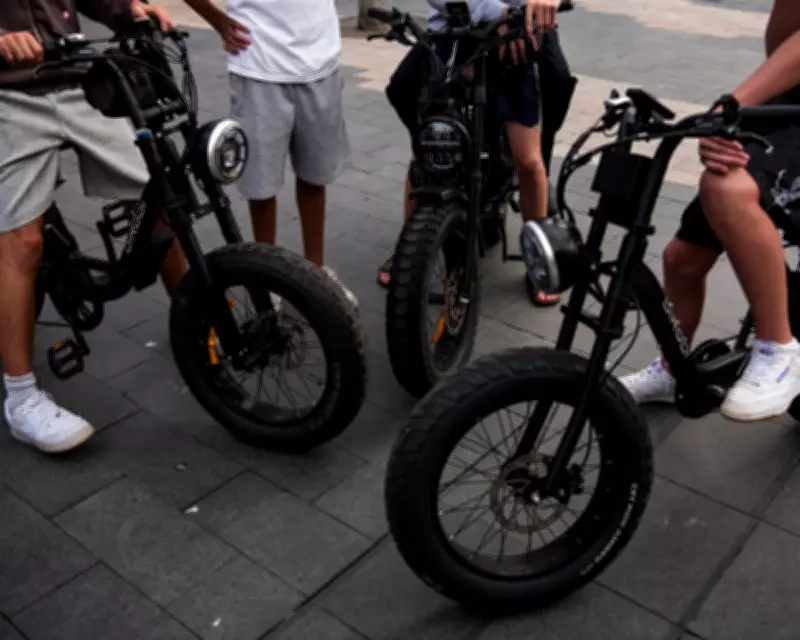
In a significant move to enhance road safety, the New South Wales (NSW) government has unveiled a strict new policy targeting illegally modified e-bikes. Authorities will now have the power to seize and crush these vehicles, which have been altered to exceed legal speed limits or other regulations. This crackdown aims to address growing concerns over accidents and public safety risks associated with modified e-bikes, particularly in urban areas where their use has surged.
Details of the E-Bike Crackdown
The policy, announced as part of broader transport safety initiatives, empowers law enforcement to confiscate e-bikes that have been tampered with to boost performance beyond legal standards. Once seized, these vehicles will be destroyed, with officials emphasising a zero-tolerance approach to modifications that compromise safety. This measure follows reports of e-bikes reaching speeds comparable to motorcycles, posing hazards to riders and pedestrians alike.
Impact on Cyclists and Communities
While the crackdown targets illegal modifications, it has sparked debate among cycling advocates and e-bike users. Some argue that it could deter legitimate e-bike adoption, while others support it as a necessary step to curb reckless behaviour. The NSW government has clarified that standard, unmodified e-bikes remain legal and encouraged, but urged owners to comply with regulations to avoid penalties.

Tropical Cyclone Mitchell Strengthens Near Western Australia
In a separate development, Tropical Cyclone Mitchell is intensifying as it approaches the coast of Western Australia. Meteorologists report that the cyclone is gaining strength, prompting warnings and preparedness measures for affected regions. Residents are advised to stay informed through official channels and take precautions against potential impacts, such as strong winds and heavy rainfall.
Safety Precautions and Response Efforts
Emergency services in Western Australia are mobilising resources to mitigate the cyclone's effects, including potential flooding and infrastructure damage. Authorities have issued alerts for coastal areas, urging people to secure property and avoid unnecessary travel. This event highlights the ongoing challenges posed by extreme weather in Australia, with climate factors potentially influencing cyclone intensity.
Overall, these news items underscore key issues in Australia: the balance between innovation and regulation in transport, and the need for vigilance against natural disasters. The NSW e-bike policy and cyclone updates reflect proactive steps by authorities to manage risks in diverse contexts.