Maida Vale: The Pioneering 'Ladies' Tube Station' of WWI London
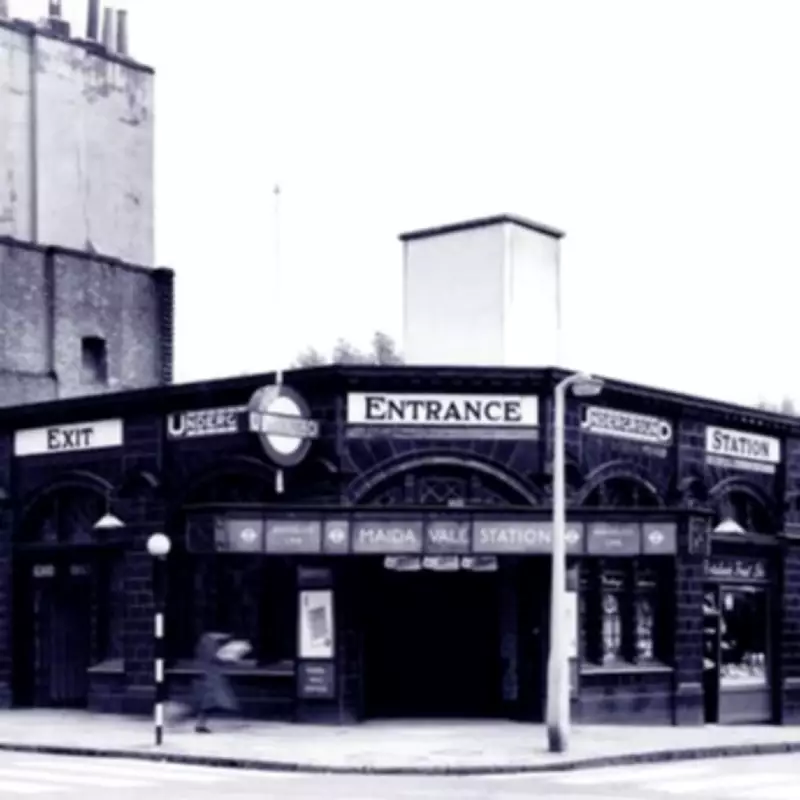
North West London is home to a remarkable piece of transport history that was decades ahead of its time. Maida Vale Tube station, which first opened its doors on June 6, 1915, during the height of the First World War, became the first station on the London Underground network to be entirely staffed by women. This progressive move came at a critical moment when approximately 17,000 men who had previously worked on the Underground, buses, and trams were away fighting abroad, creating an unprecedented labour shortage.
A Workforce Revolution on the Underground
The station offered a wide range of roles for women that had traditionally been dominated by men. These positions included bus conductresses, ticket collectors, porters, carriage cleaners, and even bus drivers. The only role not filled by women at the time was that of Tube driver, which remained a male preserve until 1978 when Hannah Dadds made history as the first female driver on the District Line.
Because of its unique all-female staffing, contemporary press quickly nicknamed Maida Vale the "Ladies' Tube Station." Interestingly, while the station was run by women, the station manager was technically still a man, though he was based at a separate location.

Global Attention and Gender Barriers
The news of the all-female team at Maida Vale captured global attention at a time when women were frequently denied employment opportunities due to their gender. Many in society still viewed women as being primarily suited for domestic labour rather than professional roles in public transport.
These pioneering women transport workers were paid the same basic wages as their male counterparts, representing a significant step forward. However, they were often denied the "war bonuses" that men received, highlighting the persistent inequalities of the era.
The Fight for Equal Pay
This pay disparity led to one of the first major victories for equal pay in British history. In August 1918, women transport workers, specifically bus and tram conductors in Willesden, went on strike precisely because they were not receiving the same bonuses as men. Their successful strike action marked a crucial milestone in the fight for workplace equality.
Professionalism Under Pressure
One particularly notable anecdote from the Maida Vale team demonstrates their remarkable professionalism during wartime conditions. During a German air raid, a bomb reportedly exploded just a few yards from the station entrance. The female staff were praised for calmly escorting passengers from stalled trains to a nearby shelter, showing none of the "hysteria" that some contemporary critics had predicted women would display in combat situations.
Legacy and Lasting Impact
The station's all-female team continued to operate the Tube until the end of the war in 1919, when returning soldiers began reclaiming these workspaces. However, the precedent had been set, and approximately twenty years later, the outbreak of the Second World War created similar labour shortages that once again opened up numerous roles for women in transport and beyond.
During WWII, women took on even more diverse roles, including manual labour and heavy engineering positions that had previously been considered exclusively male domains. The legacy of Maida Vale's pioneering women continues to inspire conversations about gender equality in the workplace and the vital contributions women have made to London's transport infrastructure throughout history.