The Enigmatic Station That Defies London's Transport Maps
London's sprawling transport network in 2026 presents a complex tapestry of buses, taxis, Underground and Overground trains, boats, and numerous other services crisscrossing the capital along meticulously planned routes. Amid this orchestrated chaos, it is hardly surprising that peculiar anomalies exist, leaving even seasoned commuters perplexed. From ghost stations and dormant trains to concealed railway lines and secret platforms, London's transport system harbors countless curiosities.
Battersea Park: The Overground's Uncharted Stop
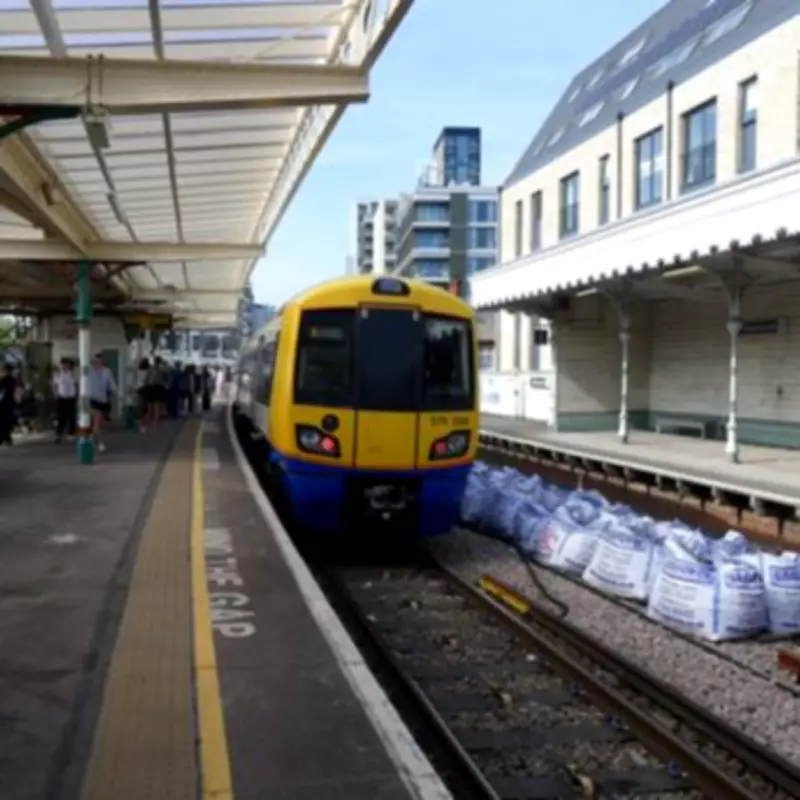
One station stands out as a particular enigma in this labyrinthine network. Battersea Park train station, situated southeast of its namesake park, is primarily served by Southern Railway trains. However, three times each day, with precise timing, passengers can board London Overground services operating on the Highbury and Islington to Clapham Junction route.
On all days except Saturday, when no Overground trains pass through, commuters can catch one morning service and two evening services, all traveling north to Highbury via Canada Water and Shoreditch. Along this route, Battersea Park should logically appear on diagrams as a modest branch line stop between Wandsworth Road and Clapham Junction.

Yet, astonishingly, neither the overhead carriage maps nor the combined Overground and Underground diagrams above the doors display any indication of a Battersea Park Overground station. The only official acknowledgment of this service is buried deep within the Transport for London website. Consequently, weary travelers returning to Clapham Junction after a long workday must proceed with caution, as their train might unexpectedly divert to Battersea Park without prior map notification.
Kensington (Olympia): A Wartime Secret Unveiled
This is not the first instance of a London station being omitted from public maps for unconventional reasons. Kensington (Olympia) station in West London's Zone 2, currently served by the London Overground and District line, offers a practical alternative to avoid Zone 1 congestion, as all its Overground services remain within Zone 2.
However, its history reveals a far more clandestine purpose. Originally opened as Kensington station in 1844, it proved so unsuccessful that it closed within the same year. The station reopened in 1862 with new services, including the Metropolitan line, and was renamed Kensington Addison Road in 1868.
During the Second World War, the Metropolitan line suffered bombing damage, leading to the closure of West London stations. Yet, Kensington station found a new, secretive role. Its strategic location, with rail links across London and proximity to the headquarters of Allied Forces Commander Dwight D. Eisenhower, made it his preferred travel point for journeys to Wales in 1944, preparing for the Normandy landings.
Renamed Kensington (Olympia) in 1946, the station began transporting Post Office Savings Bank employees. Its existence was concealed under the National Secrets Act, remaining largely unknown to the public until its official announcement in 1958. This historical secrecy parallels the modern-day obscurity of Battersea Park's Overground services, highlighting London's enduring tradition of transport mysteries.