Belfast Airport Brought to a Standstill by Farmers' Fuel Protest
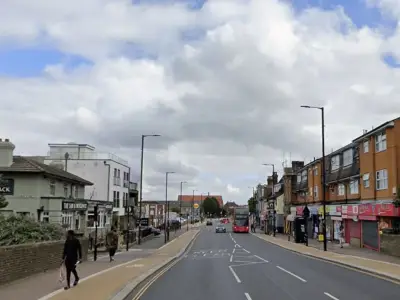
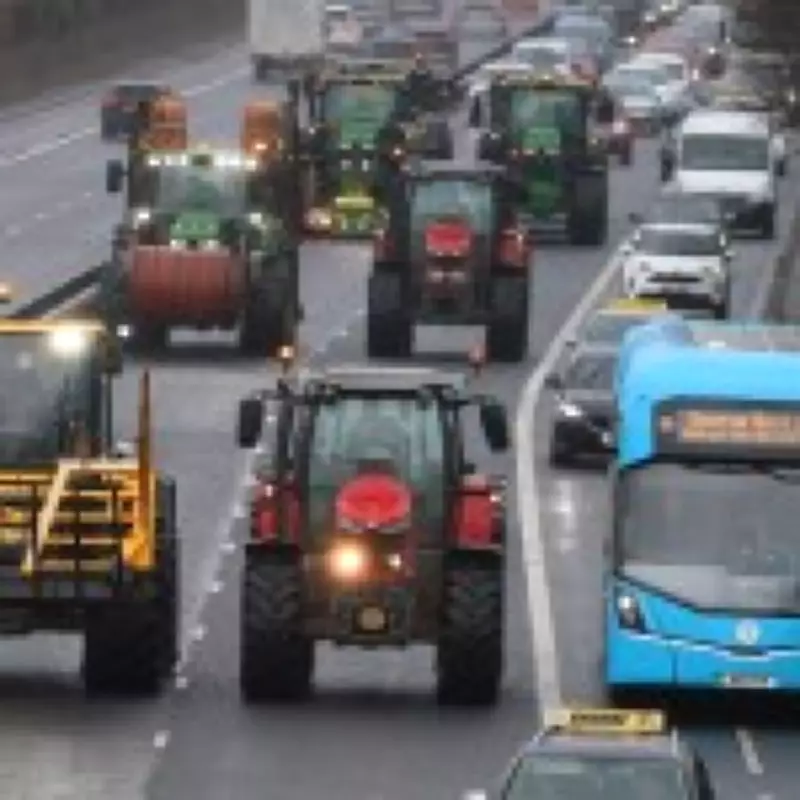
A slow-moving convoy of approximately 35 tractors, lorries, and trucks, adorned with flashing lights, brought major roads in Belfast to a grinding halt on Tuesday evening. The protest, part of a broader wave of demonstrations across Ireland, targeted the A1 highway and the Sydenham bypass near Belfast City Airport, causing significant traffic disruptions that persisted for hours.
Traffic Chaos and Political Fallout
By midday, the Sydenham bypass was clogged with vehicles, following earlier warnings to airport passengers about potential delays. Some motorists attempted to bypass the convoy by using cycle routes, further complicating the situation. Health Minister Mike Nesbitt issued a plea to protesters, emphasizing that road blockades could endanger lives by hindering access to medical treatment. He urged for legitimate legal protest instead, highlighting the daily reliance of over 100,000 health and social care interactions on unimpeded travel.
Ballygowan farmer Sam Hanna, participating in the protest with his border collie Roy, argued that the demonstration isn't about farmers alone. He described rising fuel prices as the final nail in the coffin, criticizing what he called extortionate taxes on essentials like petrol. Hanna claimed that protesters had kept the hard shoulder open, blaming cars for blocking it, and noted that emergency vehicles were allowed through promptly.
Government Responses and Broader Context
The protest occurs amid political turmoil, with the Irish government recently announcing a 505 million euro support package to address fuel price hikes linked to the war in Iran. However, opposition parties have triggered a confidence motion in the coalition government, citing widespread disruptions from fuel protests. In Northern Ireland, First Minister Michelle O'Neill and deputy First Minister Emma Little-Pengelly have written to Prime Minister Sir Keir Starmer, requesting measures such as reduced fuel duty and targeted aid for hauliers, farmers, and small businesses.
Ulster Unionist leader Jon Burrows called for an emergency meeting of the Stormont Executive to tackle the cost-of-living crisis, warning that road blockades have unintended consequences, including hindering emergency services and key workers. The Belfast disruption follows similar protests in the Republic of Ireland, which affected fuel supplies and port operations for a week, with smaller demonstrations continuing around Dublin.
Underlying Causes and Future Implications
Fuel prices have surged since the conflict in Iran began on February 28, when U.S. and Israeli airstrikes prompted Iran to blockade the Strait of Hormuz, disrupting global energy supplies. Social media calls for further protests in Northern Ireland suggest ongoing unrest. A PSNI spokesperson advised road users to avoid the Sydenham bypass and allow extra travel time due to the slow-moving traffic.
This protest underscores deepening frustrations over economic pressures, with farmers and others demanding immediate government action to alleviate financial burdens. As debates rage in both Belfast and Dublin, the impact on daily life and political stability remains a critical concern.