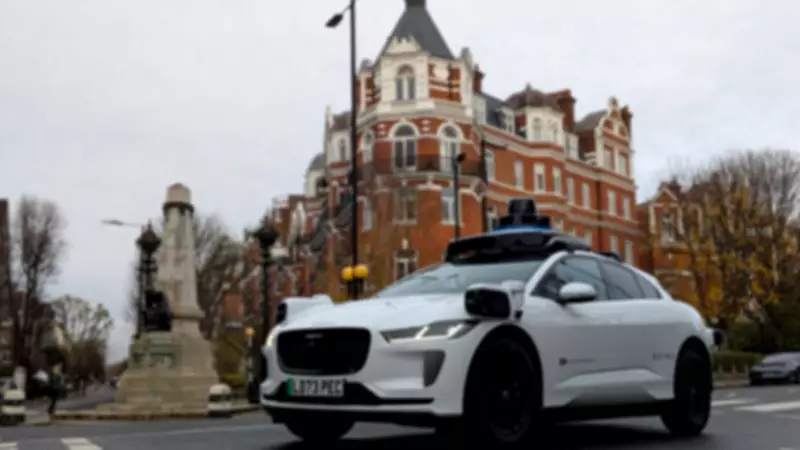
Autonomous Vehicles Poised for London Launch by 2026
London is on the brink of a transport revolution as driverless cars are scheduled to become fully operational in the capital by the end of 2026, subject to regulatory green lights. Waymo, the autonomous vehicle division of Google, has confirmed this ambitious timeline, marking a significant step towards integrating self-driving technology into one of Europe's busiest cities.
Phased Rollout and Current Testing
Currently, approximately 24 Waymo vehicles are navigating London's streets, though they remain under human control during this initial mapping and data collection phase. The project will progress through three distinct stages: first, the current data-gathering phase; second, testing with safety drivers adhering to government codes for autonomous vehicles; and finally, the deployment of fully driverless cars available for public use.
Ethan Teicher, a Waymo spokesperson, emphasised to Sky News: "Our intent is to open to riders later this year. That's contingent on government approvals." This statement underscores the regulatory hurdles that must be cleared before Londoners can experience autonomous rides.
Government Collaboration and Safety Priorities
Minister for local transport, Lilian Greenwood MP, has welcomed Waymo's choice of London as its first European city, stating: "We're delighted that you chose London as your first European city." She affirmed that safety remains paramount, with the government committed to developing "world leading" and "groundbreaking" regulations to facilitate the safe introduction of self-driving vehicles.
Greenwood added: "We're definitely not cutting corners, but we are accelerating towards automated vehicles operating on our streets." This balanced approach aims to foster innovation while ensuring public security.
Safety Claims and Technological Advantages
Waymo has highlighted the superior safety record of its autonomous systems compared to human drivers, particularly in protecting pedestrians and cyclists. Nicole Gavel, head of business development at Waymo, explained: "Our sensors are able to perceive the world around them, much better, much more accurately and with more of a field of view than human drivers can." She described this capability as achieving a "superhuman level of perception."
Additional benefits touted by the company include enhanced privacy within the vehicles and increased peace of mind for female passengers, addressing broader concerns about personal security in transport.
Unresolved Questions and Urban Challenges
Despite these advancements, several key issues remain unresolved. The operational scope of Waymo in London is still unclear; testing is currently limited to 19 boroughs, with plans to start in a small area and expand gradually. Moreover, adapting to London's unique pedestrian behaviour poses a significant challenge, given the city's bustling streets compared to American cities where jaywalking is penalised.
Teicher addressed these concerns, noting: "We see a lot of jaywalkers in San Francisco... Pedestrians in Los Angeles are different, but also something that we have to deal with. Same is true of every city that we operate in... And in the UK, our pedestrian behaviour is tested and proven."
Traffic Impact and Market Scale
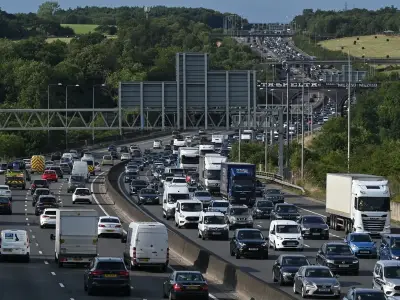
Concerns about increased traffic congestion have been downplayed by Waymo. Teicher described the initial fleet as "a drop in the bucket by comparison with the ride-hailing market," suggesting minimal immediate impact. He also pointed out that autonomous vehicles could operate more efficiently than human-driven ones, potentially reducing the number of cars needed for the same volume of trips.
For context, Waymo's largest markets, such as San Francisco and Los Angeles, host around 1,000 and 700 vehicles respectively, indicating that London's rollout will likely be gradual rather than overwhelming.
Looking Ahead: The Road to Implementation
As London prepares for this technological shift, the collaboration between Waymo and UK regulators will be crucial in shaping a safe and effective integration. The proof, as they say, will be in the driving, with the coming months set to reveal whether autonomous vehicles can truly navigate the complexities of London's urban landscape. With a target date of late 2026, the capital stands at the forefront of a transport evolution that could redefine mobility for years to come.