A born-and-bred Londoner has revealed the two Transport for London naming conventions that consistently get under his skin, despite his overall admiration for the city's transport network.
Rafi Mauro-Benady, who has navigated London's transport system for nearly three decades, acknowledges that TfL operates one of the best public transport networks on earth, possibly only surpassed by Tokyo's system. Yet two particular naming decisions continue to frustrate him on his daily commute.
The Elizabeth Line Naming Conundrum
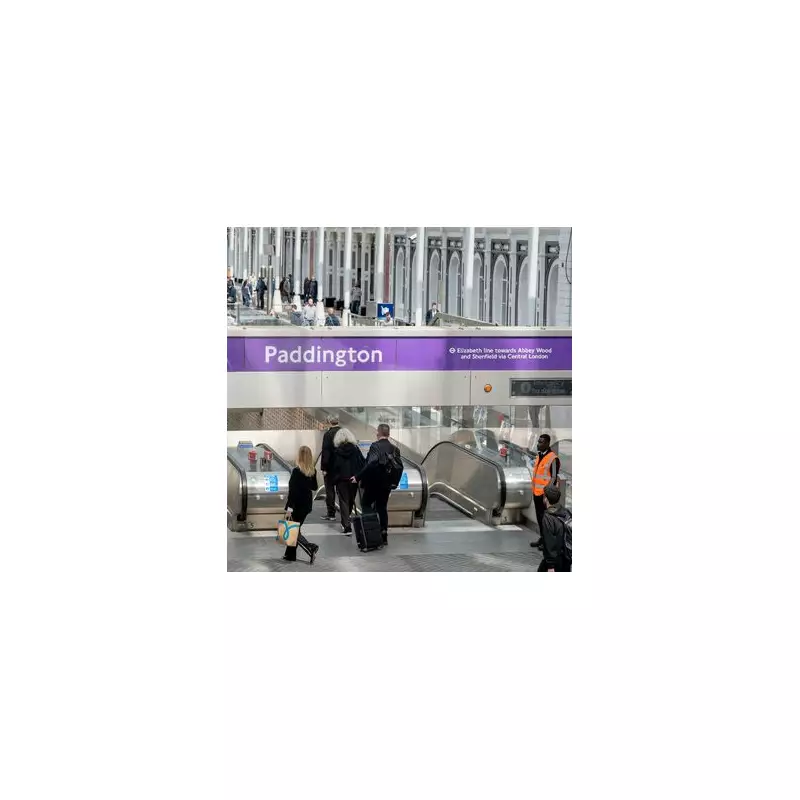
His first grievance concerns the naming of newer transport lines, particularly the Elizabeth line. While traditional Tube lines display single words on their roundels - such as Victoria, Metropolitan, and Jubilee - newer additions include the word 'line' directly in their names.
This creates what he considers a grammatical redundancy. Since Londoners naturally add the word 'line' when referring to any Tube route, the Elizabeth line effectively becomes 'the Elizabeth line line' in everyday conversation.
The Elizabeth line cost approximately £19 billion to construct, leading the Londoner to question why Transport for London didn't anticipate this linguistic awkwardness when naming the service.
The Battersea Power Station Dilemma
His second complaint involves the newly opened Battersea Power Station Underground station. Similar logic applies here, as Londoners typically add 'station' when discussing Tube stops.
This naming convention forces what he considers the awkward construction of 'Battersea Power Station station' when referring to the stop. While he acknowledges there's no actual place called 'Battersea Power', the linguistic inconsistency still bothers him.
The Londoner recognises that these concerns might seem pedantic to some, but emphasises that these are issues he encounters daily as a regular user of London's transport network.
Perspective on TfL's Overall Excellence
Despite these specific grievances, he maintains that Transport for London gets things right 99% of the time. He praises the system for keeping London moving, providing philosophical quotes that cheer commuters, employing kind staff, and featuring Tube drivers who make witty announcements.
TfL was officially formed in July 2000 and oversees all aspects of public transport in the capital, including the Tube, buses, trams, river services, cycle schemes, the cable car, and special services for those with mobility issues.
In a humorous conclusion to his transport frustrations, the Londoner recently passed his driving test on the sixth attempt, potentially reducing his future reliance on the Underground network that has both served and occasionally irritated him throughout his life in the capital.