Transport for London (TfL) has unveiled a sweeping set of changes for 2026 that will impact millions of commuters and drivers across the capital. From fare increases and new trains to a revamped congestion charge and potential pedestrianisation, the new year brings a significant shift for how people move around London.
Tube, DLR and Rail: Fare Rises and New Trains
The cost of travelling on the London Underground and Docklands Light Railway (DLR) is set to increase by up to 7.1% for some ticket types from March 2026. TfL states the hike is necessary to fund vital transport projects following a government spending review.
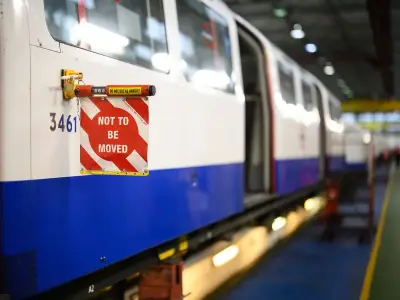
In better news for passengers, the long-awaited introduction of new air-conditioned trains on the Piccadilly line begins this year. TfL aims to roll out all 94 new trains between July and December, which will allow three additional services to run during peak times.
This upgrade comes with significant disruption, however. The Piccadilly line will face multiple weekend and Night Tube closures throughout 2026 for engineering works. Key closures include no service between Hyde Park Corner and Acton Town in the early hours of June 12-13, and a series of weekend shutdowns in April and May affecting sections to Heathrow and Uxbridge.
Meanwhile, the Northern line will see no trains running between Camden Town and Kennington via Bank after 10pm from January 12 until late spring, though this closure is only in effect from Monday to Thursday each week.
On the DLR, Cutty Sark station will remain closed until spring while all four of its escalators are replaced. TfL also plans another public consultation in 2026 on extending the DLR into Thamesmead, with new stations potentially opening in the early 2030s.
Road Changes: Congestion Charge and Superloop Expansion
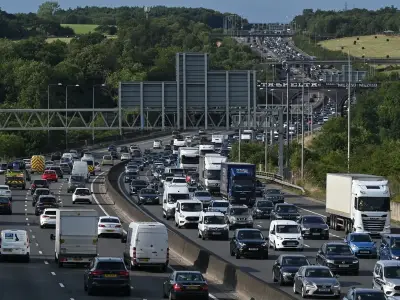
One of the most contentious changes is a major overhaul of the Congestion Charge. The standard daily fee for driving within the zone rises from £15 to £18 if paid in advance or on the day. Motorists paying within three days after travel will face a steeper charge of £21.
The exemption for electric vehicles has ended. Owners must now pay but can receive discounts if registered on Auto Pay: 25% (£13.50) for cars and 50% (£9) for vans, HGVs and quadricycles. These discounts will reduce further to 12.5% and 25% respectively from March 4, 2026. Residents still get a 90% discount, paying £1.80.
London's express bus network, the Superloop, is set to expand with five proposed new routes if plans are approved:
- SL11: Greenwich to Abbey Wood
- SL12: Gants Hill to Rainham
- SL13: Hendon to Ealing Broadway
- SL14: Stratford to Chingford
- SL15: Clapham Junction to Eltham
Major Projects: Oxford Street Pedestrianisation
London's iconic Oxford Street could become largely car-free in the second half of 2026. Following TfL's takeover of the street from Westminster Council in September, officials are working with Mayor Sadiq Khan on plans to pedestrianise the section between Orchard Street and Great Portland Street.
The proposal, which would see only foot and cycle traffic allowed for non-emergency vehicles, is under public consultation until January 16, 2026. The street currently welcomes around half a million visitors daily.
Collectively, these changes mark one of the most substantial years of transformation for London's transport network in recent times, aiming to modernise services while addressing funding and environmental challenges.