Sadiq Khan Commits £20 Million to Reinvigorate London Bus Ridership with Fare Innovation
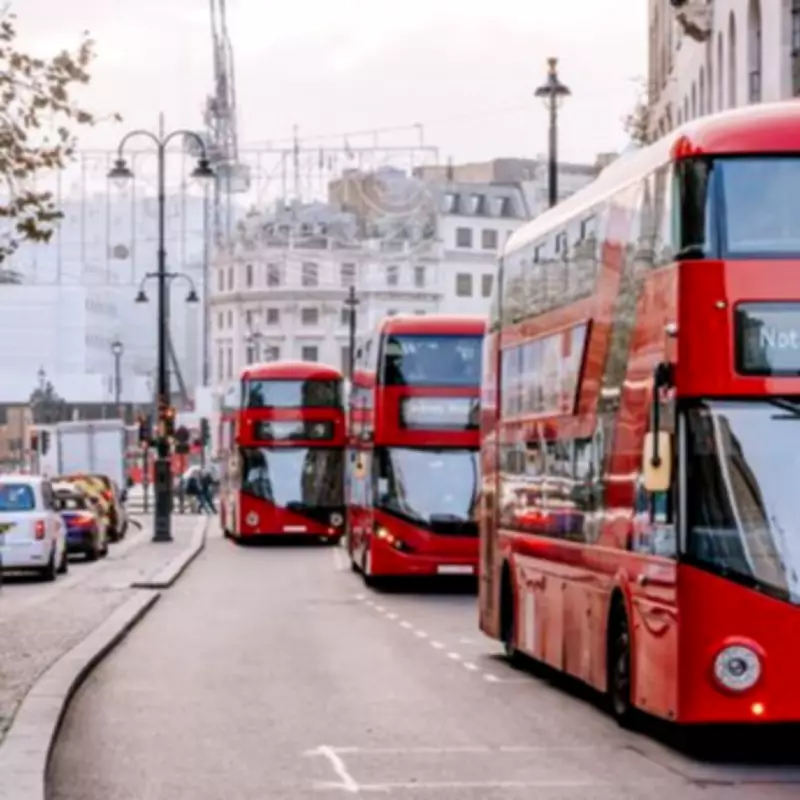
London Mayor Sadiq Khan has announced a significant financial commitment of £20 million, ringfenced in the upcoming budget, specifically aimed at "fares innovation" to encourage more Londoners to use the city's buses. This initiative comes in response to a notable decline in passenger numbers, which dropped for the first time since the pandemic, from 1.869 billion journeys to 1.842 billion last year.
Addressing the Decline in Bus Usage
The Mayor revealed this funding during a session with the London Assembly Budget and Performance Committee, emphasizing the need to focus on increasing both ridership and revenues. "We recognise we need to try new things - the Hopper Fare was innovation," Khan stated, referencing past successful strategies. He highlighted that buses serve as a "lifeline" in outer boroughs, yet more incentives are required to attract riders back.
City Hall data indicates that average bus speeds have decreased to 9.17 mph in 2024–25, down from 10.27 mph four years earlier, contributing to the drop in demand. Michael Roberts, chief executive of London TravelWatch, noted that every 10% reduction in speed leads to a 6% fall in bus usage, underscoring the urgency of this issue.

Potential Fare Innovation Strategies
The £20 million fund will be allocated to Transport for London (TfL) to explore creative fare solutions. These could include temporary fare reductions, such as off-peak pricing trials similar to a previous short-lived initiative on the Tube, or even offering free services during initial launch periods. Khan pointed to examples like the free first week of travel on the Superloop as evidence of effective innovation that requires investment.
Elly Baker, Labour's transport spokesperson and a member of the Budget and Performance Committee, welcomed the announcement, stating, "I really welcome any innovation - times are tough with the cost of living crisis, and we have to keep public transport affordable wherever we can." She emphasized that buses are crucial for older people, disabled individuals, young Londoners, women, and low-income residents who often have limited transportation options.
Broader Context and Future Goals
This investment is part of a larger £142.6 million discovered by City Hall officials due to unexpected surges in business rates and council tax returns. Other allocations include £50 million for the Young Londoners programme, £20 million for AI Taskforce recommendations, and £4.5 million for combating mobile phone theft on London's streets.
However, Khan admitted that specific details on how the funds will be spent are still under development, citing uncertainty in budget figures and the need to ensure "value for money" investments. "Had we set out details of how would we spend the money, we would have been criticised for having oven-ready plans and hiding the extra money from the Assembly," he explained.
Looking ahead, London TravelWatch estimates that meeting the Mayor's target of 80% of trips being made by walking, cycling, or public transport by 2041 will require a 40% increase in bus journeys. This £20 million initiative represents a critical step toward achieving that goal, with a focus on making public transport more accessible and appealing to all Londoners.